


 en
en  English
 한국어
한국어 中文简体
中文简体 Deutsch
 日本語
日本語 Español
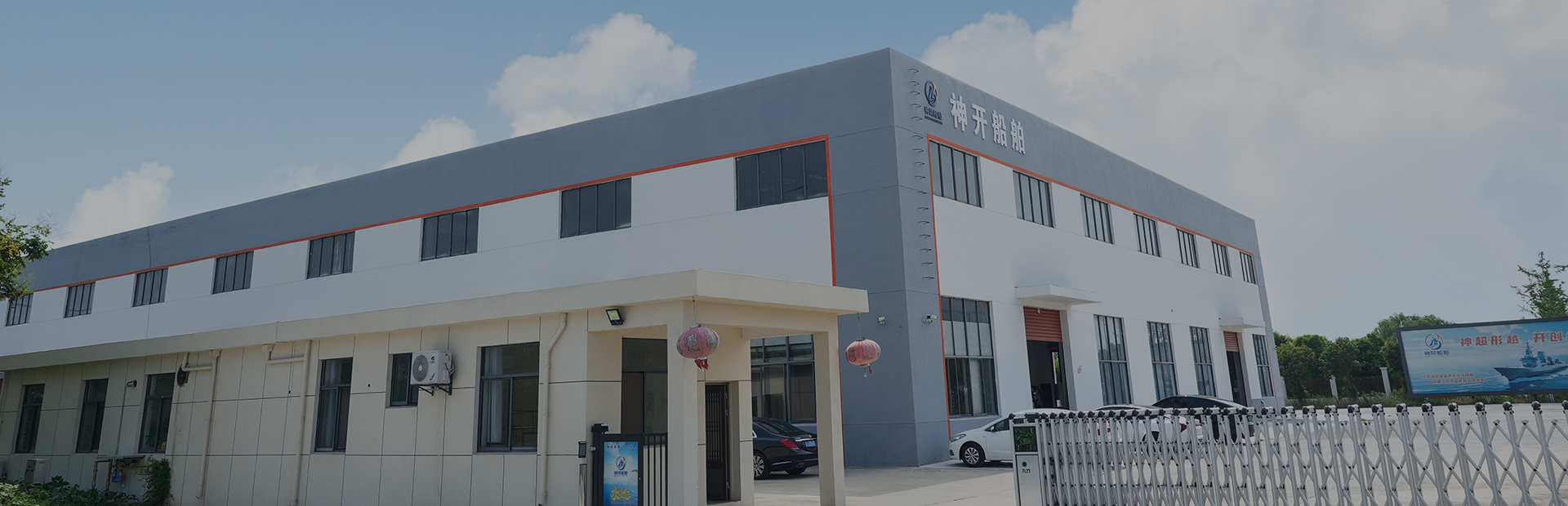
Jiangsu Shenkai Marine Equipment Co.,Ltd. China Dock Ladders Suppliers and Marine Aluminum Ladder Manufacturers, designs and manufactures marine equipment. Its current product offerings include marine prefabricated cold storage, marine ventilation duct systems, marine covers, marine composite panels, marine interior solutions, fire doors, sanitary unit systems, and other products and services. Founded in 2023, the company prioritizes technological innovation and continuous improvement as its fundamental strategy and core competitiveness. Through unremitting pursuit and exploration, it provides high-quality products and comprehensive services. Currently, the company boasts ample technical and production capacity, producing and servicing approximately 300 sets of marine cold storage panels annually. It also undertakes the production and service of ventilation duct systems and marine interior projects. The technical performance, structural features, and quality of our products fully meet the requirements and standards of marine and offshore engineering. They are widely used by major domestic shipyards and are on par with similar international products. We are currently exporting products in bulk to countries such as Japan, the Philippines, Singapore, South Korea, Vietnam, and India. The company prioritizes customer focus and strives to exceed customer expectations, providing comprehensive marine product support services. We are committed to collaborating closely with domestic and international enterprises, sharing resources, and creating shared success.
Marine Aluminum Ladder Suppliers
-
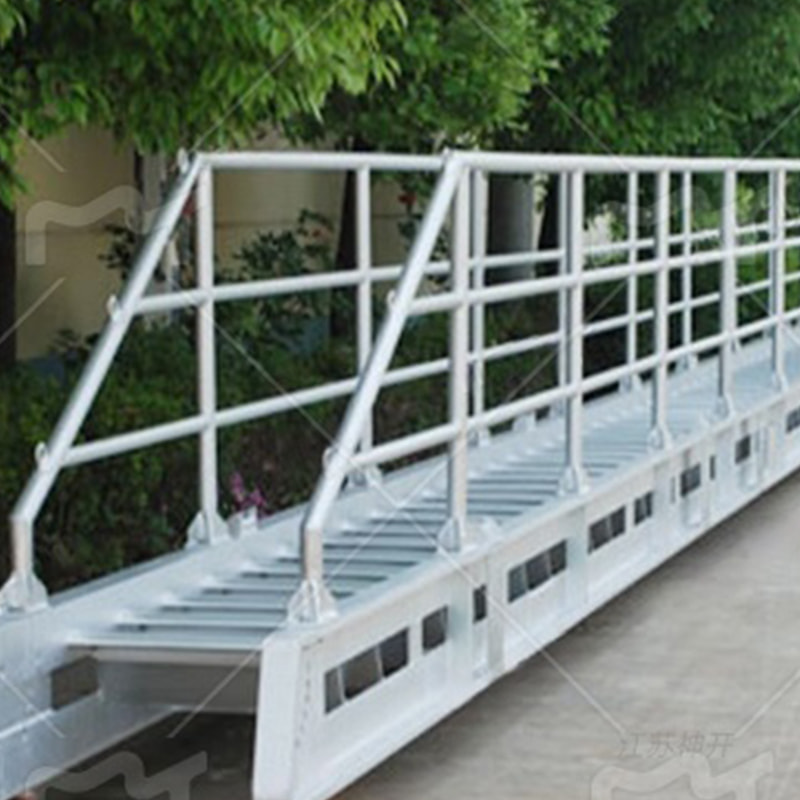
Aluminum gangway
The aluminum gangway is primarily constructed of aluminum al... -
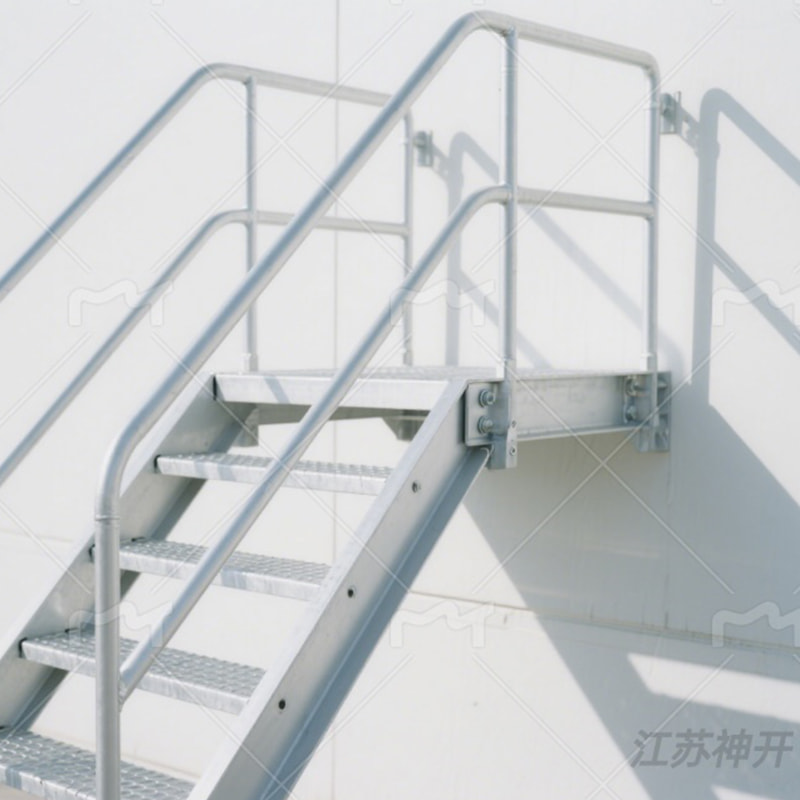
Aluminum boarding ladder
The main structure is made of aluminum alloy, which offers e...
The Marine aluminum ladder series is a critical piece of equipment used for vertical or tilted personnel movement on ships. Leveraging the properties of aluminum alloy and its optimized structural design, it holds a significant position in the maritime industry. Aluminum ladders are commonly used for daily boarding and disembarking, cabin access, emergency escape and rescue, ship repair and operations, and special vessels and offshore platforms. The main structure is constructed from 5052 or 6061 aluminum alloy. 5052 aluminum alloy contains 2.2%-2.8% magnesium, offering excellent resistance to seawater corrosion. The ladder frame is CNC-cut for precise dimensions, perfectly matching the dimensions of other components. TIG welding ensures full, porosity-free welds. We can provide customized designs based on vessel type (e.g., tanker, container ship) and application scenario. For special size requirements (e.g., extra-long or extra-wide ladders), our engineers will visit the vessel to measure the installation space and optimize the structural design to ensure a perfect fit.
About
Jiangsu Shenkai Marine Equipment Co.,Ltd.
News
-
Introduction to Marine Spiral Duct In the demanding environment of the marine industry, reliable air distribution and exhaust systems are crucial to ensuring safety, comfort, and operational efficiency. One key component that plays an essential role in these systems is the marine spiral duct. Designed specifically for ...
READ MORE -
Introduction to Marine Ropes What are Marine Ropes? Marine ropes, often referred to as lines in nautical terms, are a fundamental component of any boat or marine vessel. They are specially designed cords, cables, or strands twisted or braided together to provide strength, durability, and flexibility for a wide range of...
READ MORE -
Introduction In today’s globalized world, the demand for efficient and reliable ship refrigeration has become more critical than ever. As international trade continues to grow, the transportation of goods—especially perishable items like food, pharmaceuticals, and other temperature-sensitive products—requires specializ...
READ MORE
Marine Aluminum Ladder Series Industry knowledge
Is the marine aluminum ladder series disassembled for easy transportation and storage?
General Characteristics of Marine Aluminum Ladders
Marine aluminum ladders are widely used in various maritime applications due to their lightweight, corrosion-resistant, and durable construction. Unlike steel ladders, which are heavier and prone to rust, aluminum ladders offer a reliable solution for both temporary and permanent access needs. These ladders are commonly employed on ships, offshore platforms, and dock facilities, providing safe access points in different operational contexts. Their design often considers ease of assembly, disassembly, transportation, and storage, which are crucial for marine operators dealing with limited space and demanding conditions.
Disassembly Features for Transportation
One of the most valued attributes of the marine aluminum ladder series is its ability to be disassembled for transportation. Modular designs allow operators to break the ladder into smaller segments that can be carried more easily through narrow passages or loaded into transport vehicles. These sections are often joined using locking pins, bolts, or quick-release mechanisms that ensure both safety during use and simplicity during disassembly. Disassembly reduces the logistical challenges of moving long and bulky ladders across vessels, docks, or between storage facilities.
Storage Benefits of Disassembled Ladders
When disassembled, marine aluminum ladders require significantly less storage space. The compact size of ladder sections makes them suitable for storage in confined areas on board ships, where space management is a critical factor. In addition, properly stored disassembled ladders are less susceptible to accidental damage because they can be placed in protective cases or racks. Storing ladders in smaller components also allows for easier inventory management, as sections can be inspected and maintained individually before reassembly.
Connection Mechanisms Between Ladder Sections
Marine aluminum ladders are engineered with practical connection mechanisms to allow repeated assembly and disassembly. Common joining methods include bolt-fastened joints, interlocking brackets, and quick-release pins. These methods are designed to provide structural stability when assembled while allowing easy release when disassembly is required. Each mechanism is carefully tested to meet load-bearing standards in marine environments. The choice of mechanism depends on the specific ladder type, intended use, and safety requirements, with simplicity and reliability being the key design considerations.
Weight Advantages of Aluminum Material
Aluminum, being lighter than steel and many other metals, enhances the portability of marine ladders. This weight advantage allows crew members to handle and transport the ladder sections with less effort, reducing the risk of injury. In operations where ladders must be frequently moved between vessels or deployed in emergencies, the reduced weight is particularly valuable. Despite being lightweight, aluminum retains high tensile strength, ensuring the ladder can support the necessary loads when assembled.
Durability Under Marine Conditions
Marine aluminum ladders are specifically manufactured to withstand challenging marine environments. The material resists corrosion caused by constant exposure to seawater, humidity, and changing weather conditions. Protective coatings or anodizing treatments may also be applied to further enhance durability. The combination of lightweight structure and environmental resistance makes aluminum ladders a long-term solution for vessels and offshore platforms that rely on reliable access equipment.
Ease of Assembly After Disassembly
The reassembly of marine aluminum ladders is designed to be quick and straightforward. Step-by-step instructions are usually provided by manufacturers, ensuring that crew members can safely and correctly put the ladder back together without requiring specialized tools. Many ladder models feature standardized components, meaning that sections are interchangeable, which simplifies reassembly. The goal is to minimize downtime during operations while maintaining structural safety and functionality.
Inspection Considerations for Disassembled Sections
Inspection is an integral part of using disassembled ladders. Each section must be examined for cracks, corrosion, or deformation before reassembly. Fasteners, pins, and brackets should be checked for signs of wear that could compromise stability. By inspecting individual sections separately, crew members can identify and replace faulty parts more efficiently. This modular approach extends the overall service life of the ladder, since damaged sections can be replaced without discarding the entire ladder system.
Comparison of Fixed and Disassembled Ladder Systems
Marine aluminum ladders can be categorized into fixed and disassembled systems. Fixed ladders are permanently attached to a structure, offering continuous accessibility but requiring more space. Disassembled ladders, on the other hand, provide versatility in transportation and storage. While fixed ladders are suitable for long-term installations on decks or platforms, disassembled ladders are preferred for temporary use, emergency situations, or where storage space is limited. Operators often choose between these systems based on vessel type, operational frequency, and storage availability.
| Feature | Fixed Ladders | Disassembled Ladders |
|---|---|---|
| Portability | Low | High |
| Storage Needs | Large space | Compact storage |
| Maintenance | On-site inspection | Sectional inspection |
| Deployment Speed | Immediate | Requires assembly |
| Flexibility | Permanent location | Relocatable |
Safety Standards in Ladder Disassembly
International maritime safety regulations require that disassembled marine ladders maintain the same safety standards as fixed ladders when reassembled. Load tests, material strength verification, and connection stability assessments are all carried out during certification. Operators must follow manufacturer guidelines to ensure that disassembled and reassembled ladders meet these standards. This includes using only original fasteners and avoiding unauthorized modifications that could weaken structural integrity.
Transportation Efficiency in Maritime Operations
Transporting ladders in disassembled form reduces logistical challenges, particularly on vessels where space is restricted. The sections can be bundled together, making them easier to load onto ships or carry across docks. Transporting smaller components also minimizes the risk of damage compared to handling long, rigid ladders. In some cases, protective cases are provided to secure ladder sections during transportation, further enhancing their efficiency in handling and logistics.
Application Scenarios for Disassembled Ladders
Disassembled marine aluminum ladders are especially useful in situations requiring temporary access. They are commonly deployed during maintenance activities, inspections, and emergency evacuations. Offshore platforms may rely on them for connecting different deck levels, while smaller vessels may use them for boarding and disembarkation. Their modularity allows the same ladder to be adapted for multiple functions, offering operational flexibility. The ability to disassemble and transport ladders quickly makes them valuable in dynamic maritime environments where conditions frequently change.
Maintenance and Cleaning Practices
Disassembled ladder sections require routine maintenance to ensure long service life. After each use, ladder components should be rinsed with fresh water to remove salt and debris. Sections should be dried before storage to prevent surface oxidation. Periodic cleaning with mild detergents helps maintain the material’s integrity. In addition, lubrication of moving parts such as hinges and locking mechanisms ensures smooth reassembly and disassembly. Maintenance logs should be kept to track inspection and cleaning activities for compliance purposes.
Training Crew for Ladder Assembly and Disassembly
Proper training of crew members is essential to ensure safe and efficient use of disassembled marine ladders. Training programs should cover handling, assembly, inspection, and storage procedures. Crew members must be able to identify worn or damaged parts and understand the importance of following manufacturer specifications during assembly. Drills involving ladder assembly are often conducted during safety exercises to build confidence and ensure readiness in emergencies.
Cost Considerations of Modular Ladder Systems
While modular ladders may involve higher upfront costs due to additional components and connection mechanisms, they can reduce long-term operational expenses. The ability to replace individual sections rather than the entire ladder lowers maintenance costs. Furthermore, their compact storage reduces the need for dedicated storage infrastructure on ships. When evaluating costs, operators must weigh initial investment against long-term savings in maintenance, transportation, and replacement expenses.
Material Treatments for Enhanced Longevity
To maximize service life, marine aluminum ladders are often treated with protective finishes. Anodizing is a common treatment that improves corrosion resistance and enhances surface hardness. Powder coating may also be applied to provide an additional barrier against saltwater and physical wear. These treatments ensure that even when disassembled and stored for extended periods, the ladders remain ready for reliable use without significant degradation.
Advantages of Disassembled Marine Aluminum Ladders
The following table summarizes the key advantages of using disassembled marine aluminum ladders:
| Advantage | Description |
|---|---|
| Compact Storage | Sections occupy less space compared to full-length ladders. |
| Ease of Transport | Smaller sections are easier to move across vessels and docks. |
| Flexible Use | Ladder can be adapted for different scenarios and vessel types. |
| Replaceable Parts | Damaged sections can be replaced individually. |
| Reduced Weight Handling | Each section is lighter, improving safety during handling. |
Challenges Associated with Disassembly
Although disassembled ladders offer clear benefits, they also present some challenges. Repeated assembly and disassembly can lead to wear in connection points if not properly maintained. There is also a risk of misplacing small parts such as bolts or pins, which are critical for safe reassembly. Crew members must be diligent in following assembly instructions to avoid improper installation. Manufacturers often provide spare parts and clear guidance to minimize these challenges, but operators must enforce proper handling practices.
Future Developments in Marine Ladder Design
Future innovations in marine aluminum ladder design are likely to focus on further enhancing modularity, safety, and durability. Research is ongoing into lightweight alloys and advanced coatings that improve resistance to marine environments. Quick-assembly mechanisms are being refined to reduce the time needed to reassemble ladders in emergencies. Integration of smart features such as wear sensors and digital inspection logs may also become common, improving maintenance and operational efficiency in maritime contexts.
Copyright © Jiangsu Shenkai Marine Equipment Co.,Ltd. All Rights Reserved.
