


 en
en  English
 한국어
한국어 中文简体
中文简体 Deutsch
 日本語
日本語 Español
Jiangsu Shenkai Marine Equipment Co.,Ltd. China Marine Safety Net Suppliers and Ship Safety Net Manufacturers, designs and manufactures marine equipment. Its current product offerings include marine prefabricated cold storage, marine ventilation duct systems, marine covers, marine composite panels, marine interior solutions, fire doors, sanitary unit systems, and other products and services. Founded in 2023, the company prioritizes technological innovation and continuous improvement as its fundamental strategy and core competitiveness. Through unremitting pursuit and exploration, it provides high-quality products and comprehensive services. Currently, the company boasts ample technical and production capacity, producing and servicing approximately 300 sets of marine cold storage panels annually. It also undertakes the production and service of ventilation duct systems and marine interior projects. The technical performance, structural features, and quality of our products fully meet the requirements and standards of marine and offshore engineering. They are widely used by major domestic shipyards and are on par with similar international products. We are currently exporting products in bulk to countries such as Japan, the Philippines, Singapore, South Korea, Vietnam, and India. The company prioritizes customer focus and strives to exceed customer expectations, providing comprehensive marine product support services. We are committed to collaborating closely with domestic and international enterprises, sharing resources, and creating shared success.
Marine/Ship Safety Net Suppliers
-
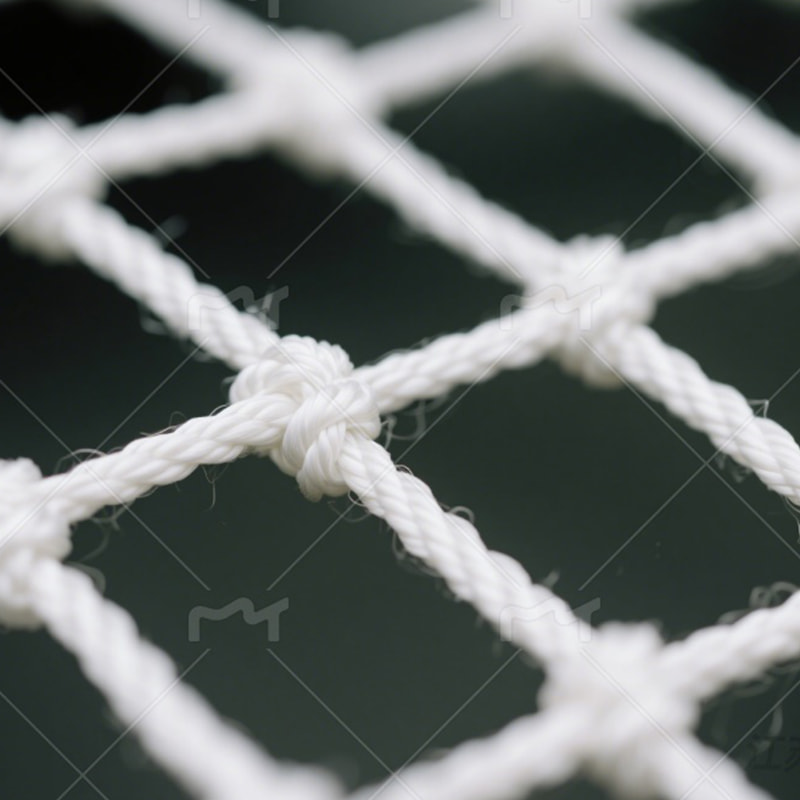
PP filament safety net
PP filament safety net offers significant advantages, includ... -

Vinylon flame retardant safety net
Vinylon flame retardant safety net offers significant advant... -
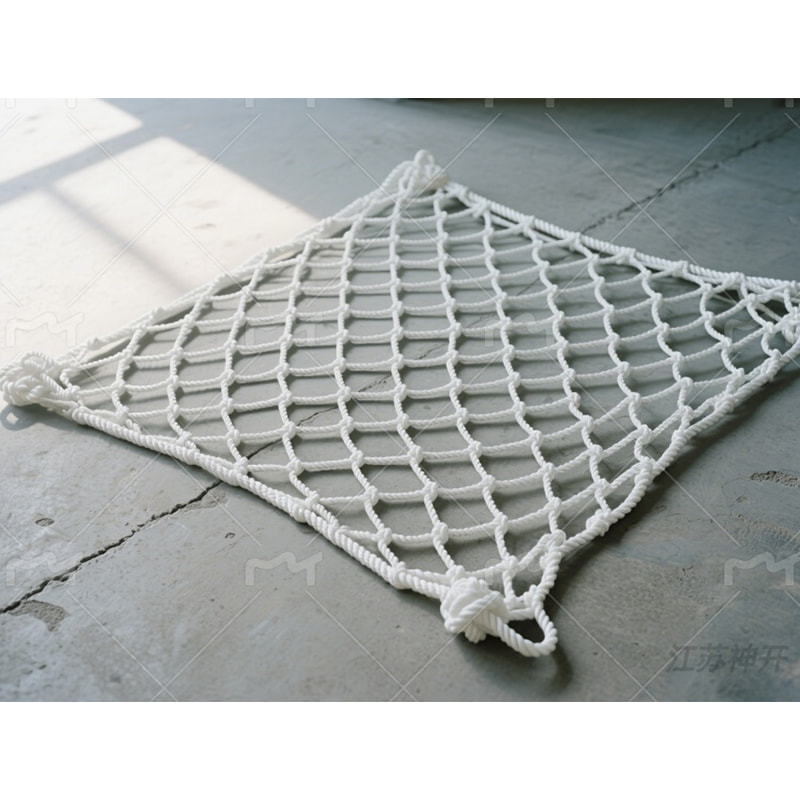
PP cargo net
PP cargo nets offer significant advantages. They are lightwe...
The Safety Net Series is a labor protection device designed to prevent fall injuries. Primarily used in elevated work environments, such as ship gangways and between ship and shore, it prevents falls and ensures crew safety during embarkation and disembarkation, as well as during operations. Production must comply with relevant standards, such as CB/T 3749-1995, which impose strict requirements on materials and construction. Services include installation guidance and maintenance recommendations. Its advantages include effectively isolating hazardous areas, providing psychological support for personnel, and its excellent wear and corrosion resistance, making it suitable for use in harsh sea conditions.
About
Jiangsu Shenkai Marine Equipment Co.,Ltd.
News
-
Introduction to Marine Spiral Duct In the demanding environment of the marine industry, reliable air distribution and exhaust systems are crucial to ensuring safety, comfort, and operational efficiency. One key component that plays an essential role in these systems is the marine spiral duct. Designed specifically for ...
READ MORE -
Introduction to Marine Ropes What are Marine Ropes? Marine ropes, often referred to as lines in nautical terms, are a fundamental component of any boat or marine vessel. They are specially designed cords, cables, or strands twisted or braided together to provide strength, durability, and flexibility for a wide range of...
READ MORE -
Introduction In today’s globalized world, the demand for efficient and reliable ship refrigeration has become more critical than ever. As international trade continues to grow, the transportation of goods—especially perishable items like food, pharmaceuticals, and other temperature-sensitive products—requires specializ...
READ MORE
Safety Net Series Industry knowledge
Is the marine/ship safety net easy to install and can it be quickly assembled and disassembled?
General Overview of Marine and Ship Safety Nets
Marine and ship safety nets are critical components in maritime safety systems. They are primarily used to prevent accidental falls, provide safe zones for crew members, and protect cargo during operations at sea. These nets are designed with durable materials capable of withstanding constant exposure to saltwater, UV rays, and mechanical stress. Their design often emphasizes ease of installation, quick assembly, and disassembly, which are essential for vessels where safety equipment must be adaptable to changing operational needs.
Material Composition and Structural Design
The materials used in marine safety nets typically include synthetic fibers such as nylon or polyester, which provide strength and resistance to moisture. Some nets incorporate high-strength polyethylene (HDPE) to enhance durability against environmental factors. The knots and mesh structures are designed to distribute weight evenly, minimizing stress at any single point. The structural design ensures that the nets can be installed or removed efficiently, even under challenging marine conditions where time and safety are critical factors.
Ease of Installation in Different Marine Environments
Marine safety nets are engineered to be easy to install across different environments, including cargo ships, passenger vessels, and offshore platforms. Their installation involves securing the nets with hooks, clamps, or ropes to designated anchoring points along the deck or railings. The lightweight design of synthetic fibers allows crew members to handle nets without requiring specialized lifting equipment. Because of their modular structure, safety nets can be adapted to fit various sizes and shapes of openings or work areas, making them versatile for multiple applications.
Quick Assembly and Disassembly Mechanisms
The ability to quickly assemble and disassemble marine safety nets is one of their most practical features. Manufacturers often design nets with pre-fitted loops, fasteners, or carabiners that allow rapid attachment to anchor points. This system minimizes the need for complex tools and reduces the time required for setup. Disassembly follows a similar process, where fasteners are released, and the net can be folded or rolled up for storage. This efficiency is particularly important in situations where safety nets must be repositioned frequently or deployed during emergencies.
Adaptability for Various Marine Applications
Marine safety nets are not limited to preventing falls; they are also used for securing cargo, protecting equipment, and creating safe working zones. For example, nets can be installed under gangways to protect personnel during boarding operations or used around crane work areas to prevent falling objects from causing injuries. Their modularity makes them adaptable for temporary or permanent setups, depending on operational requirements. This adaptability is supported by the quick assembly and disassembly features, allowing operators to reposition nets without significant downtime.
Comparison Between Permanent and Removable Safety Nets
Permanent safety nets are fixed installations on certain parts of a ship, providing continuous protection. They are often integrated into areas such as staircases or deck perimeters. Removable safety nets, on the other hand, are designed for temporary use and are valued for their portability and quick setup. While permanent nets require less frequent handling, removable nets are preferred for tasks requiring flexible deployment. Both types share similar material compositions but differ in anchoring systems and installation methods.
| Feature | Permanent Safety Nets | Removable Safety Nets |
|---|---|---|
| Installation | Fixed, long-term | Portable, quick setup |
| Flexibility | Limited | High adaptability |
| Storage | Not required | Compact storage after disassembly |
| Applications | Continuous protection zones | Temporary or emergency setups |
Anchoring and Fastening Systems
The anchoring and fastening systems of marine safety nets play a critical role in both safety and usability. Nets are secured using metal hooks, ropes, or tensioning systems that ensure stability even in rough sea conditions. Some systems are designed with adjustable features, allowing crews to tighten or loosen the nets as needed. Quick-release fasteners are often included to support fast disassembly, ensuring that nets can be removed without causing delays during operations.
Training for Quick Deployment
To ensure that safety nets are used effectively, crew members receive training on proper installation and disassembly techniques. Training typically includes identifying secure anchor points, correctly tensioning nets, and folding them properly for storage. Regular drills may be conducted on vessels to ensure readiness, especially for scenarios where nets must be deployed in emergencies. Training reduces the likelihood of errors during assembly, ensuring that safety nets provide reliable protection at all times.
Durability and Resistance in Harsh Environments
The harsh conditions of marine environments demand that safety nets maintain durability even after repeated installations and removals. Materials are treated with UV stabilizers to resist sun damage and coatings to prevent moisture absorption. The resistance to saltwater corrosion ensures that metal components such as hooks or fasteners remain functional. These durability features are essential for ensuring that quick assembly and disassembly processes do not compromise long-term safety performance.
Inspection Before and After Use
Inspection is a vital part of maintaining safety nets, especially when they are frequently assembled and disassembled. Before use, crew members check for broken strands, weakened knots, or damaged fasteners. After disassembly, nets should be inspected again before storage to ensure that issues are identified early. Regular inspections extend the lifespan of the equipment and ensure readiness for future use. Documentation of inspections is often required to comply with maritime safety regulations.
Storage Considerations After Disassembly
When disassembled, safety nets can be folded or rolled for compact storage. Proper storage practices include keeping nets in dry, ventilated areas to avoid mold or material degradation. Protective bags or cases may be used to shield nets from physical damage during storage. Efficient storage methods not only preserve the nets but also simplify redeployment, as nets can be quickly accessed and installed when needed.
Operational Efficiency and Time-Saving Benefits
The quick installation and removal of marine safety nets contribute to overall operational efficiency. In dynamic maritime environments, where tasks often change, being able to reposition or remove nets without significant time investment is valuable. Crew members can complete safety setups faster, allowing more focus on operational activities. This efficiency translates into reduced downtime, which is particularly beneficial during cargo handling, maintenance, or emergency drills.
Safety Standards and Certifications
Marine safety nets must comply with international safety standards such as those established by the International Maritime Organization (IMO) and classification societies. These standards ensure that nets can bear specific loads and resist environmental stress. Certification processes often include testing for tensile strength, knot security, and resistance to UV exposure. Compliance guarantees that safety nets can provide reliable protection, even after multiple cycles of assembly and disassembly.
Table: Key Factors Affecting Ease of Installation
The following table highlights the factors that influence how easy and quick it is to install marine safety nets:
| Factor | Impact on Installation |
|---|---|
| Material Weight | Lighter materials make handling and setup easier |
| Fastening System | Quick-release fasteners reduce installation time |
| Net Size | Smaller sections are easier to install than large, heavy nets |
| Training | Well-trained crew members can assemble nets more quickly |
| Environmental Conditions | Calm conditions facilitate faster setup compared to rough seas |
Challenges in Quick Installation
Despite the advantages, some challenges exist in ensuring fast installation and disassembly. Harsh weather conditions, such as strong winds or high waves, can complicate handling. Large nets may require coordination among multiple crew members, extending the time required for setup. Additionally, misplaced or damaged fasteners can delay assembly. Addressing these challenges requires thorough training, proper storage practices, and maintaining spare parts on board for immediate replacement.
Cost and Maintenance Considerations
The cost of marine safety nets varies depending on material, size, and anchoring systems. While initial investment may be higher for nets with advanced fastening systems, the long-term benefits include reduced labor costs and increased efficiency. Maintenance costs primarily involve inspections, repairs, and replacements of worn components. By ensuring regular maintenance, operators can extend the service life of safety nets, thereby balancing cost and safety over time.
Future Developments in Safety Net Design
Future innovations in marine safety nets are expected to focus on even faster assembly mechanisms and enhanced materials. Research into advanced polymers and lightweight composites aims to further reduce handling weight without compromising strength. Smart fastening systems with indicators may also become common, allowing crews to verify proper tension and attachment quickly. These developments aim to improve the balance between safety, efficiency, and ease of use in maritime operations.
Conclusion on Installation and Assembly
Marine and ship safety nets are designed with features that make them easy to install, quickly assembled, and efficiently disassembled. Their modular structures, lightweight materials, and specialized fastening systems support versatile use across different maritime applications. While challenges exist, proper training, maintenance, and compliance with safety standards ensure that these nets remain reliable tools for protecting crew members and cargo in demanding marine environments.
Copyright © Jiangsu Shenkai Marine Equipment Co.,Ltd. All Rights Reserved.
