

 en
en 
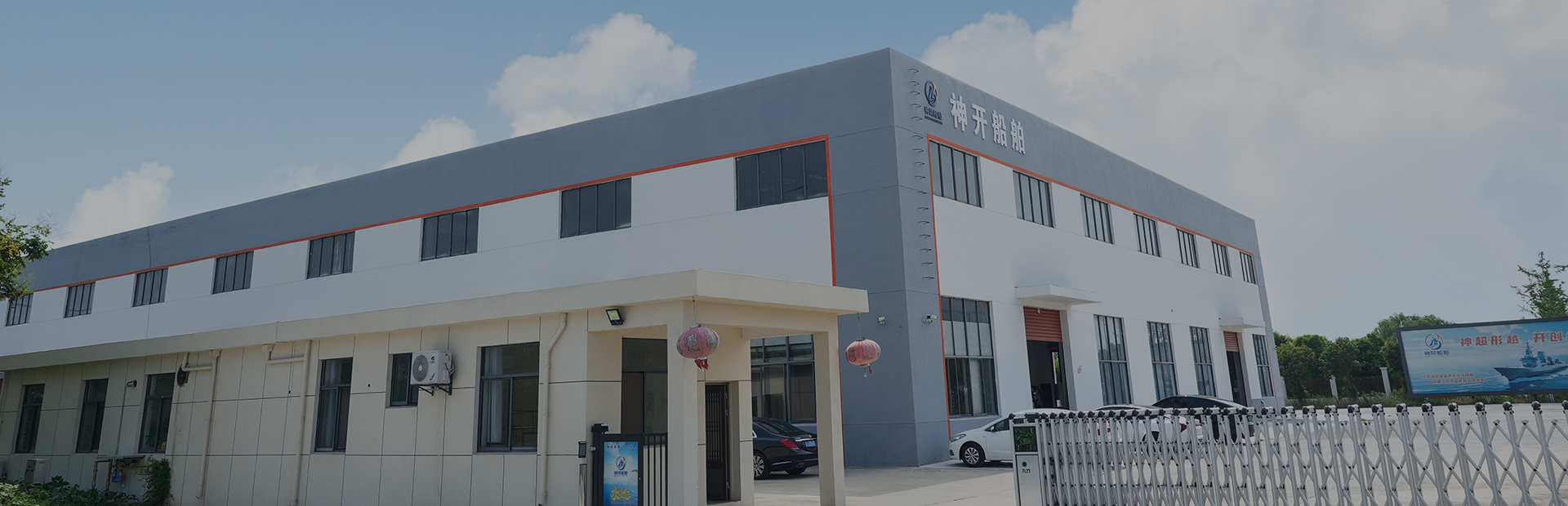
Jiangsu Shenkai Marine Equipment Co.,Ltd. China Marine Rigging Equipment Suppliers and Ship Rigging Equipment Manufacturers, designs and manufactures marine equipment. Its current product offerings include marine prefabricated cold storage, marine ventilation duct systems, marine covers, marine composite panels, marine interior solutions, fire doors, sanitary unit systems, and other products and services. Founded in 2023, the company prioritizes technological innovation and continuous improvement as its fundamental strategy and core competitiveness. Through unremitting pursuit and exploration, it provides high-quality products and comprehensive services. Currently, the company boasts ample technical and production capacity, producing and servicing approximately 300 sets of marine cold storage panels annually. It also undertakes the production and service of ventilation duct systems and marine interior projects. The technical performance, structural features, and quality of our products fully meet the requirements and standards of marine and offshore engineering. They are widely used by major domestic shipyards and are on par with similar international products. We are currently exporting products in bulk to countries such as Japan, the Philippines, Singapore, South Korea, Vietnam, and India. The company prioritizes customer focus and strives to exceed customer expectations, providing comprehensive marine product support services. We are committed to collaborating closely with domestic and international enterprises, sharing resources, and creating shared success.

product
Marine/Ship Rigging Equipment Suppliers
-
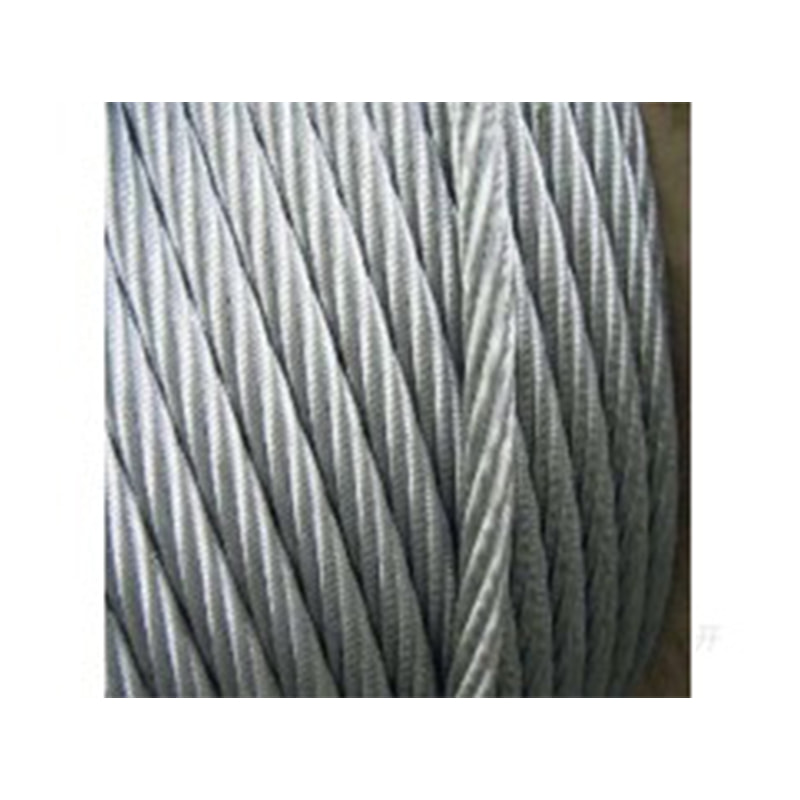
Marine wire rope slings
Marine wire rope slings offer significant advantages. Their ... -
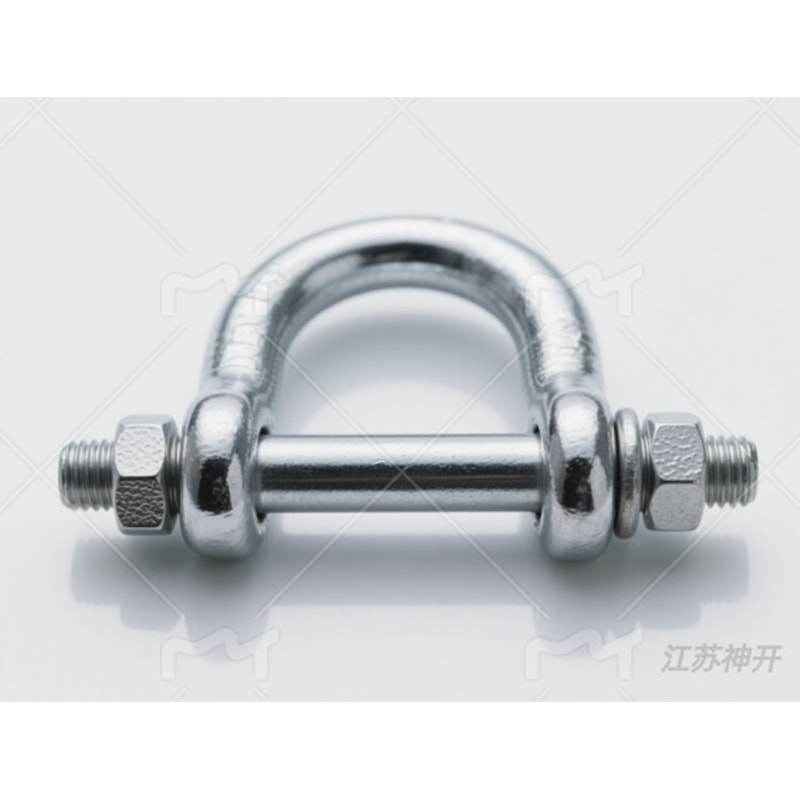
Marine shackle rigging
Marine shackle rigging's advantages and selling points lie i...
Ship rigging refers to equipment used with ropes and cables, such as hooks and shackles. Rigging comes in both metal and synthetic fiber varieties. It is primarily used for ship mooring, cargo lifting, and firefighting. Its production involves forging and other processes, requiring performance testing. Services include regular inspections and maintenance. Its advantages include secure connections, easy disassembly, and adaptability to harsh marine environments, improving ship operations efficiency and safety.
About
Jiangsu Shenkai Marine Equipment Co.,Ltd.
News
-
Introduction to Marine Spiral Duct In the demanding environment of the marine industry, reliable air distribution and exhaust systems are crucial to ensuring safety, comfort, and operational efficiency. One key component that plays an essential role in these systems is the marine spiral duct. Designed specifically for ...
READ MORE -
Introduction to Marine Ropes What are Marine Ropes? Marine ropes, often referred to as lines in nautical terms, are a fundamental component of any boat or marine vessel. They are specially designed cords, cables, or strands twisted or braided together to provide strength, durability, and flexibility for a wide range of...
READ MORE -
Introduction In today’s globalized world, the demand for efficient and reliable ship refrigeration has become more critical than ever. As international trade continues to grow, the transportation of goods—especially perishable items like food, pharmaceuticals, and other temperature-sensitive products—requires specializ...
READ MORE
Ship Rigging Industry knowledge
Can the marine/ship rigging equipment be used for a variety of scenarios, including deck and side operations?
Overview of Marine Rigging Equipment
Marine and ship rigging equipment encompasses a wide range of components used to support, control, and secure loads on vessels. This includes blocks, tackles, ropes, wire ropes, winches, davits, cranes, and other hoisting or securing devices. Rigging equipment is designed to handle various forces, angles, and operational conditions that occur during deck and side operations, and it must maintain safety, durability, and functionality under these diverse circumstances.
Design Considerations for Versatility
Versatility in marine rigging equipment is achieved through design elements that allow it to adapt to multiple operational scenarios. Components are often modular, adjustable, or configurable, enabling use on different parts of the ship, such as the main deck, upper deck, or sides near the waterline. Rigging equipment must accommodate different types of loads, varying heights, and diverse attachment points, which requires attention to factors such as load ratings, angle of operation, and compatibility with ropes or chains of different diameters.
Material Selection and Durability
Materials play a crucial role in the adaptability of rigging equipment. Commonly used materials include stainless steel, galvanized steel, aluminum, and high-strength synthetic fibers. These materials offer varying levels of strength, corrosion resistance, and weight. Stainless steel is often chosen for components exposed to harsh marine environments due to its resistance to saltwater corrosion, while aluminum offers a balance of strength and light weight for equipment that needs to be frequently repositioned. Synthetic fibers provide flexibility and ease of handling for ropes and slings used in deck or side operations.
Load Capacity and Safety Considerations
Marine rigging equipment is rated for specific load capacities, which ensures safety under different operational conditions. The design often incorporates safety factors to account for dynamic loads, environmental forces, and the effects of repeated use. Safety factors help maintain structural integrity and prevent overloading, which is particularly important during side operations where uneven forces may be applied. Clearly marked load limits and compliance with maritime safety standards guide proper use and reduce the risk of accidents.
Deck Operations Applications
On deck, rigging equipment is frequently used for lifting, securing, or transferring cargo, equipment, and supplies. Blocks, tackles, and winches allow precise movement of heavy loads, while ropes and slings facilitate safe attachment and alignment. Equipment must handle variable load angles, changing deck conditions, and the motion of the ship. Versatile rigging components are essential for these applications to adjust to different tasks, such as positioning containers, deploying lifeboats, or securing fishing gear.
Side Operations Applications
Side operations involve lifting or lowering loads over the ship’s side, such as transferring personnel, deploying buoys, or handling tenders. In these scenarios, rigging equipment must accommodate angled pulls, increased sway, and potential environmental hazards like waves and wind. Side operations place additional stress on rigging due to cantilevered loads and the dynamic movement of both the vessel and the suspended object. Equipment such as adjustable davits, swiveling hooks, and extension slings allows safe operation in these contexts.
Adjustability and Modular Design Features
To meet the needs of multiple scenarios, rigging equipment often includes adjustable and modular features. Components such as adjustable blocks, telescopic poles, and interchangeable hooks allow operators to configure the equipment for different deck layouts, load sizes, or side operations. Modular systems can be assembled and disassembled quickly, which is important for ships that handle diverse tasks or need to reconfigure the rigging for different operational requirements. This flexibility ensures that the equipment can serve a wider range of purposes without requiring entirely separate sets of tools.
Inspection and Maintenance Practices
Versatility in use is closely tied to proper maintenance. Regular inspections ensure that rigging components remain safe and functional across various scenarios. Visual inspections for wear, corrosion, deformation, or fraying are conducted alongside functional tests to verify performance. Maintenance procedures may include lubrication, tightening of bolts or fasteners, replacement of worn ropes or slings, and cleaning to remove salt or debris. Consistent upkeep allows the equipment to perform reliably in both deck and side operations over the long term.
Standards and Compliance
Marine rigging equipment must comply with international and regional standards, such as ISO, classification society rules, and maritime safety regulations. These standards specify load ratings, material requirements, testing procedures, and safety factors. Compliance ensures that rigging equipment is capable of safe operation under a variety of scenarios, including deck and side activities. Standardized design also simplifies training, inspection, and replacement procedures, contributing to operational efficiency.
Environmental and Operational Considerations
Marine environments pose unique challenges, including saltwater exposure, high humidity, temperature fluctuations, and continuous motion. Rigging equipment must be resistant to corrosion, UV degradation, and fatigue caused by repeated dynamic loads. When used in side operations, the equipment also encounters spray, waves, and variable wind forces. Material selection, protective coatings, and robust mechanical design address these challenges, ensuring that equipment maintains versatility and reliability regardless of operating conditions.
Load Distribution and Mechanical Advantage
Proper load distribution is critical for using rigging equipment in different scenarios. Blocks, pulleys, and tackles are designed to distribute forces evenly and provide mechanical advantage, reducing the effective effort required to lift or move loads. This design principle allows operators to handle heavy loads safely both on deck and at the ship’s side. By carefully considering angles, friction, and anchor points, rigging systems can be adapted for multiple operational contexts without compromising safety or efficiency.
Examples of Versatile Rigging Equipment
The following table provides an overview of common rigging equipment and their adaptability across deck and side operations:
| Equipment | Primary Use | Adaptable Features |
|---|---|---|
| Block and Tackle | Lifting and positioning heavy loads | Adjustable sheaves, interchangeable hooks, high-strength lines |
| Winches | Controlled lifting and pulling | Variable drum size, mechanical or hydraulic drive, deck/side mounting options |
| Davits | Lowering lifeboats or side loads | Swivel arms, telescopic extension, modular mounting |
| Ropes and Slings | Securing or lifting loads | Various diameters and materials, attachable fittings, wear-resistant coatings |
| Shackles and Hooks | Attachment points for lifting and securing | Load-rated designs, rotating hooks, corrosion-resistant materials |
Training and Operational Procedures
Operators must be trained to use rigging equipment safely and effectively in various scenarios. Training includes understanding load ratings, attachment points, proper handling of ropes and slings, and safe lifting techniques. Scenario-based training ensures that crew can adapt the equipment to different deck layouts, cargo types, or side operations while maintaining compliance with safety regulations. Proper training enhances the versatility of the rigging system and reduces the risk of accidents.
Integration with Automation and Monitoring Systems
Some modern marine rigs are equipped with monitoring systems that track load, tension, and equipment status in real time. Sensors and automated controls can adjust winches or davits, detect overloading, and provide alerts to the crew. Such integration enhances operational flexibility, allowing the same rigging equipment to be safely used across multiple scenarios, including complex deck and side operations. Automation complements the inherent versatility of the mechanical design and contributes to efficiency and safety.
Conclusion on Multi-Scenario Use
Marine and ship rigging equipment is designed to be adaptable for various operational scenarios, including deck and side operations. Through careful material selection, safety factor design, adjustable components, and compliance with standards, this equipment provides reliable performance under diverse conditions. Maintenance, proper operation, and integration with modern monitoring systems further enhance its versatility. By combining engineering principles, environmental considerations, and operational procedures, rigging equipment can effectively serve multiple purposes, ensuring safe and efficient handling of loads in a wide range of maritime contexts.
Copyright © Jiangsu Shenkai Marine Equipment Co.,Ltd. All Rights Reserved.
