


 en
en  English
 한국어
한국어 中文简体
中文简体 Deutsch
 日本語
日本語 Español
Jiangsu Shenkai Marine Equipment Co.,Ltd. China Marine Outfitting Equipment Suppliers and Marine Outfitting Equipment Manufacturers, designs and manufactures marine equipment. Its current product offerings include marine prefabricated cold storage, marine ventilation duct systems, marine covers, marine composite panels, marine interior solutions, fire doors, sanitary unit systems, and other products and services. Founded in 2023, the company prioritizes technological innovation and continuous improvement as its fundamental strategy and core competitiveness. Through unremitting pursuit and exploration, it provides high-quality products and comprehensive services. Currently, the company boasts ample technical and production capacity, producing and servicing approximately 300 sets of marine cold storage panels annually. It also undertakes the production and service of ventilation duct systems and marine interior projects. The technical performance, structural features, and quality of our products fully meet the requirements and standards of marine and offshore engineering. They are widely used by major domestic shipyards and are on par with similar international products. We are currently exporting products in bulk to countries such as Japan, the Philippines, Singapore, South Korea, Vietnam, and India. The company prioritizes customer focus and strives to exceed customer expectations, providing comprehensive marine product support services. We are committed to collaborating closely with domestic and international enterprises, sharing resources, and creating shared success.
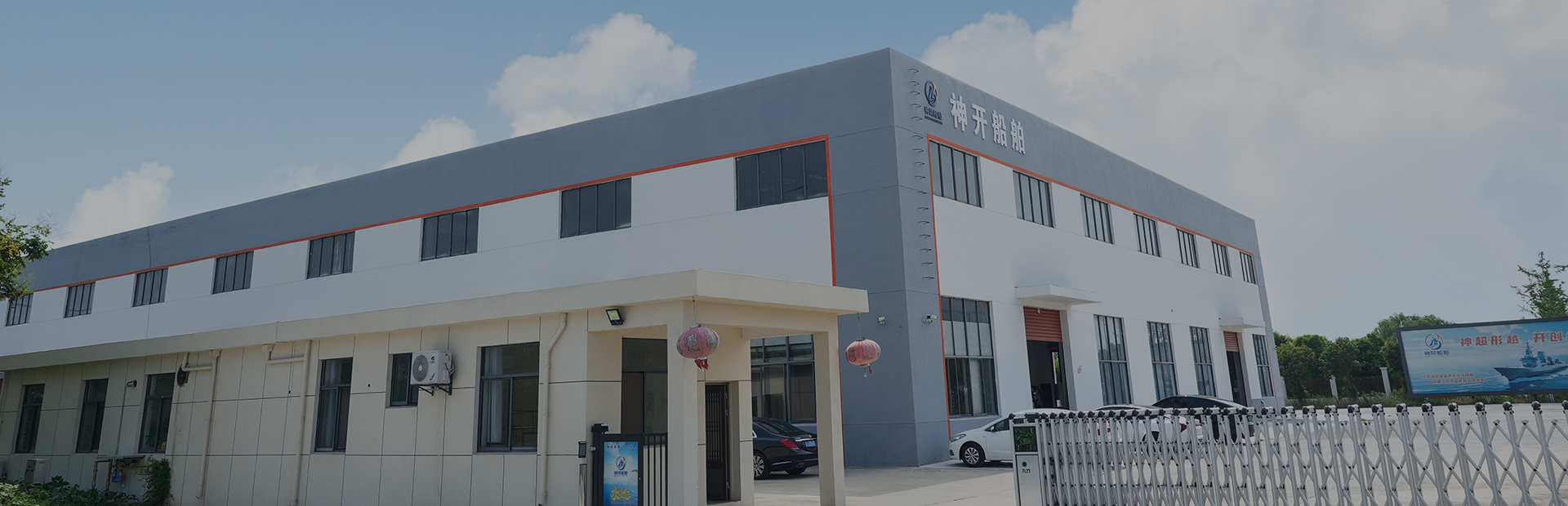
Marine Outfitting Equipment Suppliers
-
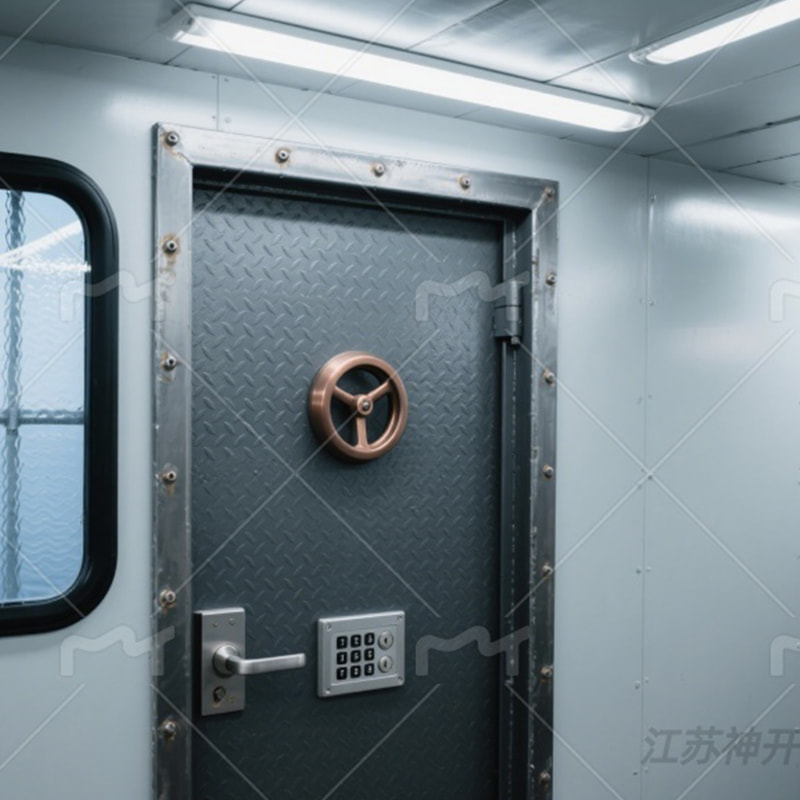
Marine steel door
Marine steel doors offer significant advantages, including e... -
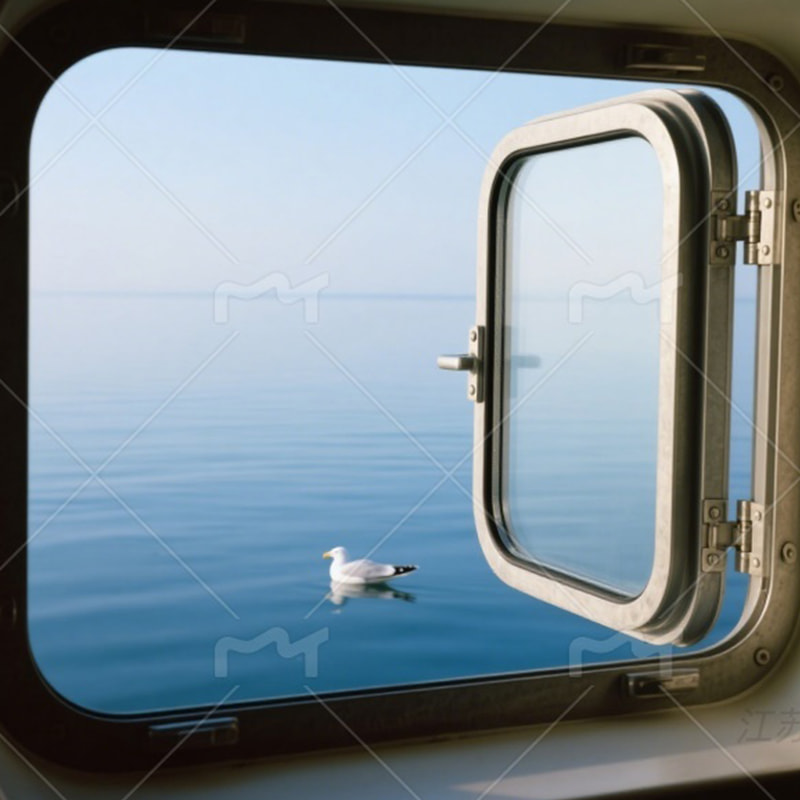
Marine windows
The window frames and sashes are constructed of marine-grade... -
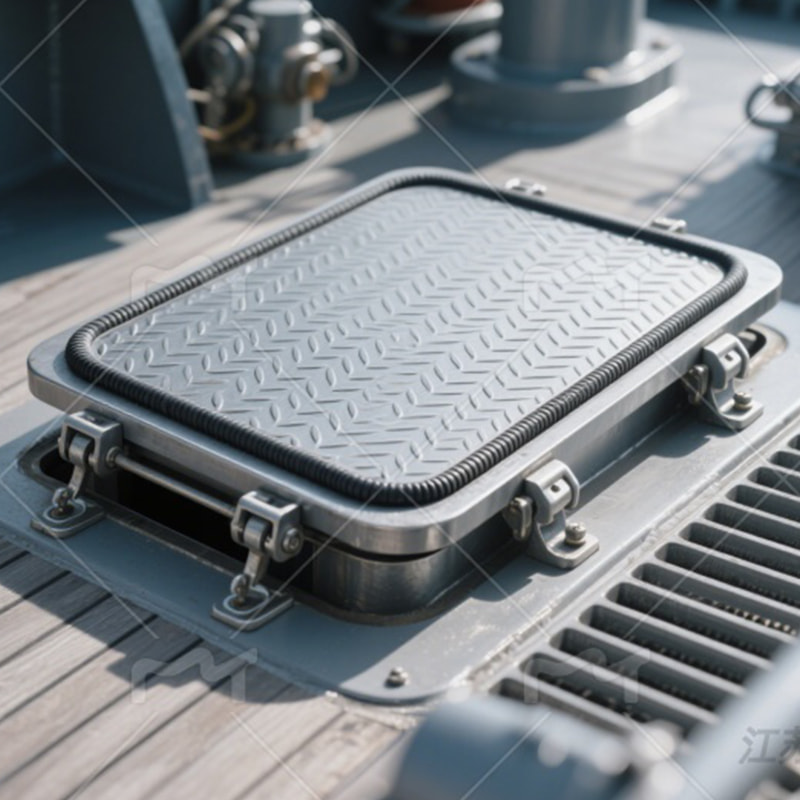
Marine hatch covers
Marine hatch covers are characterized by their excellent wat... -
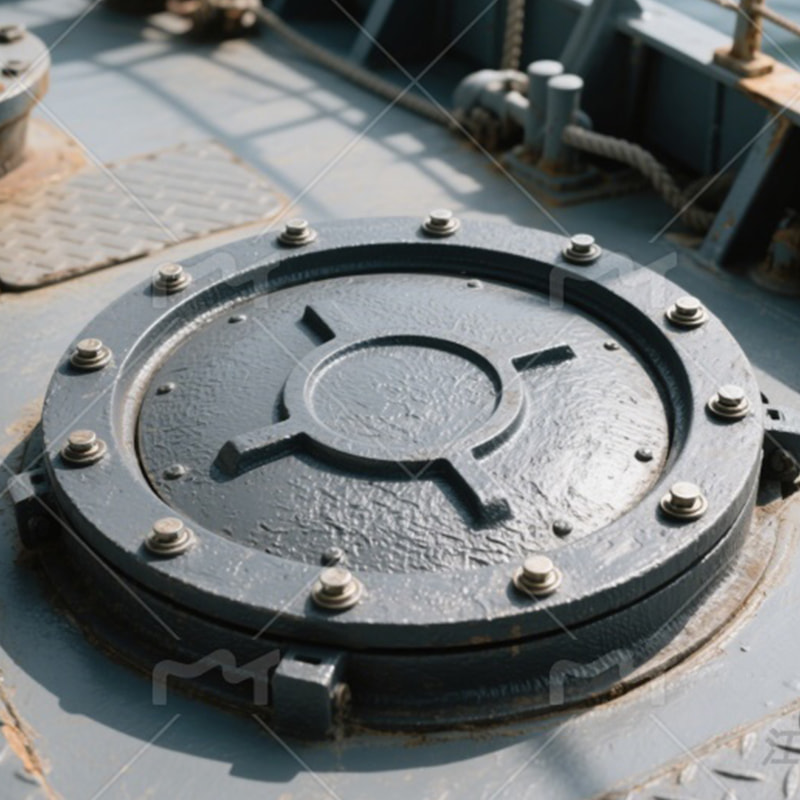
Marine manhole cover
The advantages and selling points of marine manhole covers l...
The Marine Outfitting series encompasses all functional equipment and facilities used in shipbuilding, beyond the hull and propulsion systems. These include navigation and communications, mooring equipment, life-saving and firefighting systems, and cabin furniture. These systems are core systems that ensure safe navigation, crew comfort, and operational efficiency. This complex product portfolio, strictly tailored to vessel type and operational scenarios, holds an irreplaceable position within the maritime equipment landscape. Applications include navigation and control systems, mooring and loading and unloading equipment, life-saving and firefighting systems, cabin and living facilities, and specialized equipment for specialized vessels. The Marine Outfitting series utilizes modular design using 3D modeling software (such as AutoCAD and SolidWorks), dividing outfitting into navigation, mooring, and life-saving modules. Standardized interfaces are included in each module to shorten ship assembly cycles. Metal components are primarily constructed of marine-grade carbon steel and stainless steel. Machining is performed using CNC lathes and milling machines. We can provide customized designs tailored to customer needs and application scenarios.
About
Jiangsu Shenkai Marine Equipment Co.,Ltd.
News
-
Introduction to Marine Spiral Duct In the demanding environment of the marine industry, reliable air distribution and exhaust systems are crucial to ensuring safety, comfort, and operational efficiency. One key component that plays an essential role in these systems is the marine spiral duct. Designed specifically for ...
READ MORE -
Introduction to Marine Ropes What are Marine Ropes? Marine ropes, often referred to as lines in nautical terms, are a fundamental component of any boat or marine vessel. They are specially designed cords, cables, or strands twisted or braided together to provide strength, durability, and flexibility for a wide range of...
READ MORE -
Introduction In today’s globalized world, the demand for efficient and reliable ship refrigeration has become more critical than ever. As international trade continues to grow, the transportation of goods—especially perishable items like food, pharmaceuticals, and other temperature-sensitive products—requires specializ...
READ MORE
Marine Outfitting Series Industry knowledge
Is the daily maintenance requirements for the marine outfitting equipment series high?
Understanding Marine Outfitting Equipment Series
The marine outfitting equipment series encompasses a wide range of components designed to support the safe and efficient operation of ships. This includes items such as ladders, gangways, bollards, winches, safety nets, doors, hatches, and sanitary units. Each component plays a vital role in ensuring that vessels are navigable, secure, and capable of withstanding the demanding conditions of marine environments. Because ships operate in highly corrosive and dynamic conditions, the daily maintenance requirements of such equipment are often a subject of careful consideration by ship operators, owners, and regulatory authorities.
Factors Affecting Maintenance Demands
The maintenance requirements for marine outfitting equipment series depend on several factors. The type of material used, such as stainless steel, aluminum, or coated carbon steel, determines corrosion resistance and longevity. The frequency of usage also plays a role, since equipment subjected to frequent loading, unloading, or mechanical stress requires more regular inspection. Additionally, the location of installation onboard a ship can affect maintenance cycles. Equipment installed on exposed decks may require daily attention, whereas items located in sheltered areas might demand less frequent checks.
Material Considerations and Maintenance Implications
The choice of materials directly influences how much attention is needed on a daily basis. Aluminum components, for example, are valued for their lightweight nature and relatively high resistance to corrosion, reducing the need for extensive upkeep. Stainless steel offers strong durability but may still require inspection in areas with high salinity or chemical exposure. Painted or coated steel needs more frequent checks to identify paint breakdown or coating failures, as these can expose the underlying material to corrosion. In practice, materials dictate not only the durability of the equipment but also the labor intensity of routine maintenance tasks.
Environmental Conditions and Their Impact
Marine environments present unique challenges that affect daily maintenance. Factors such as high humidity, saltwater spray, temperature fluctuations, and exposure to UV radiation all contribute to material degradation. Ships operating in tropical zones may face faster corrosion due to the combination of heat and moisture, while those in colder waters may experience stress from freezing conditions. These environmental variables require ship crews to develop tailored maintenance schedules to match the specific conditions in which the vessel operates. As a result, some marine outfitting equipment must be inspected daily to prevent small issues from escalating into larger problems.
Inspection Routines for Different Equipment Types
Daily inspections of marine outfitting equipment are necessary for certain critical components. For instance, safety nets, gangways, and embarkation ladders require constant monitoring to ensure they are structurally sound before use. In contrast, bollards or mooring fittings may require less frequent inspections but still need daily observation for surface cracks, corrosion, or deformation. Hydraulic systems such as winches or cranes require routine fluid checks and seal inspections to prevent leakage or equipment failure. Thus, inspection routines vary across equipment types, but a consistent schedule is key to ensuring operational reliability and safety.
Comparison of Maintenance Needs Across Equipment
While some outfitting equipment demands more attention, others can function effectively with minimal daily maintenance. Below is a simplified comparison of different marine outfitting equipment series and their daily maintenance levels:
| Equipment Type | Daily Maintenance Intensity | Key Activities |
|---|---|---|
| Marine Safety Nets | High | Check knots, inspect for fraying, verify secure fittings |
| Gangways and Ladders | High | Inspect steps, test structural stability, check anti-slip surfaces |
| Bollards and Mooring Fittings | Moderate | Visual corrosion checks, surface cleaning, inspect bolts |
| Winches and Cranes | High | Lubrication checks, hydraulic fluid monitoring, wire rope inspection |
| Doors and Hatches | Moderate | Check seals, inspect locking mechanisms, clear debris |
Role of Coatings and Surface Treatments
Protective coatings and surface treatments significantly reduce daily maintenance demands. For example, hot-dip galvanizing and powder coatings provide a barrier against moisture and corrosive salts. Advanced treatments such as epoxy coatings can extend service life even in highly aggressive marine environments. However, coatings must be inspected regularly for scratches or peeling, as exposed areas can become focal points for corrosion. While coatings decrease the amount of cleaning or rust removal required on a daily basis, they also introduce the need for regular surface checks to maintain their integrity.
Lubrication and Moving Parts
Equipment with moving parts, such as hinges, pulleys, and winches, requires daily lubrication checks to ensure smooth operation. Lack of lubrication can lead to increased wear, overheating, and ultimately failure of the component. Daily inspection of lubrication points helps detect early signs of deterioration. In some cases, automated lubrication systems are employed to reduce manual work, but even these systems require daily verification to confirm they are functioning correctly.
Documentation and Record-Keeping
Marine operations require strict documentation of maintenance activities. Daily logs help track inspections and record any signs of damage or repair needs. These logs serve as both an operational record and a compliance measure, as regulatory authorities often demand proof of regular equipment maintenance. Proper documentation ensures accountability and allows crews to identify patterns of recurring issues, enabling proactive maintenance strategies.
Influence of Crew Training
The level of daily maintenance required is also shaped by the knowledge and training of the crew. Well-trained personnel can perform inspections more efficiently and identify potential issues early. Training programs that focus on recognizing corrosion, fatigue cracks, and misalignment help reduce downtime and improve operational safety. As a result, while the inherent maintenance demands of marine outfitting equipment may be high, the effectiveness of daily checks can be optimized through proper crew education and awareness.
Cost Implications of Daily Maintenance
Daily maintenance carries cost implications in terms of labor, replacement parts, and downtime. Vessels with equipment that requires high daily maintenance may face increased operational expenses. Conversely, investing in high-quality materials and protective systems at the outset can reduce these costs over time. Therefore, ship operators often balance the initial investment in durable outfitting equipment against the ongoing cost of daily maintenance routines.
Integration of Technology in Maintenance
Modern vessels increasingly employ technology to ease daily maintenance demands. Sensors can monitor conditions such as humidity, stress levels, or material fatigue, providing real-time data to crew members. Remote monitoring systems help reduce manual inspections by alerting the crew when certain thresholds are exceeded. Although technology does not eliminate the need for daily checks, it streamlines the process and helps prioritize tasks, ensuring that critical issues are addressed promptly.
Balancing Daily Maintenance with Operational Demands
Ships operate on tight schedules, making it essential to balance maintenance tasks with operational requirements. Daily inspections must be integrated into routines without disrupting loading, unloading, or navigation. Crew members often conduct checks during shifts or while equipment is idle, ensuring minimal interference with core operations. Effective planning allows vessels to meet both safety requirements and operational efficiency goals.
Examples of Daily Maintenance Schedules
Many ships employ structured daily maintenance schedules to manage tasks. For example, morning shifts may involve visual inspections of safety nets, gangways, and mooring equipment, while afternoon tasks may focus on lubricating winches or checking hatch seals. This division of tasks prevents overload during any one period and ensures that all critical components are reviewed daily. The following table provides an example schedule:
| Time of Day | Maintenance Focus |
|---|---|
| Morning | Inspect safety nets, check gangways and ladders, verify hatch seals |
| Afternoon | Lubricate moving parts, inspect bollards, check door locks |
| Evening | Hydraulic fluid checks, record findings in log, monitor lighting systems |
Conclusion of Equipment Diversity in Maintenance
The daily maintenance requirements of marine outfitting equipment series are shaped by material choice, environmental exposure, operational frequency, and crew expertise. While certain items such as safety nets and gangways demand high levels of daily attention, others such as bollards may require less frequent checks but cannot be overlooked. The integration of protective coatings, advanced monitoring technologies, and well-structured schedules can reduce the burden of daily tasks while maintaining safety and compliance. In practice, daily maintenance remains an integral part of ship operation, ensuring that outfitting equipment continues to support the demanding requirements of marine environments.
Copyright © Jiangsu Shenkai Marine Equipment Co.,Ltd. All Rights Reserved.
