


 en
en  English
 한국어
한국어 中文简体
中文简体 Deutsch
 日本語
日本語 Español
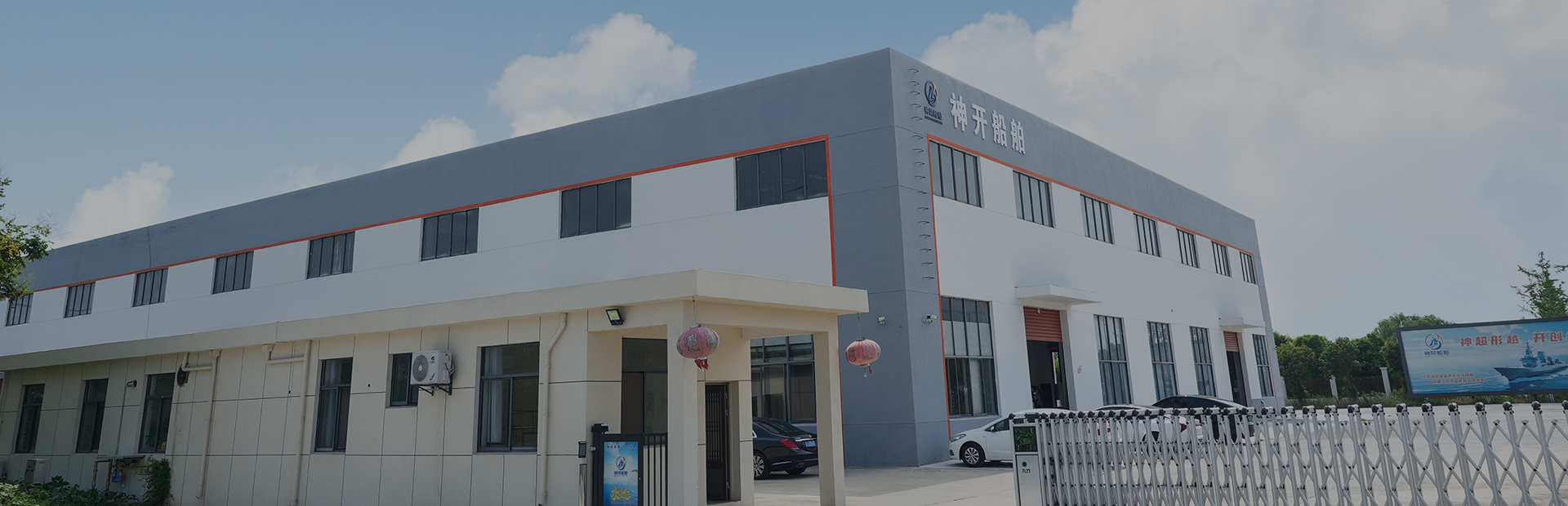
Jiangsu Shenkai Marine Equipment Co.,Ltd. China Ship Fenders Suppliers and Marine Fenders Manufacturers, designs and manufactures marine equipment. Its current product offerings include marine prefabricated cold storage, marine ventilation duct systems, marine covers, marine composite panels, marine interior solutions, fire doors, sanitary unit systems, and other products and services. Founded in 2023, the company prioritizes technological innovation and continuous improvement as its fundamental strategy and core competitiveness. Through unremitting pursuit and exploration, it provides high-quality products and comprehensive services. Currently, the company boasts ample technical and production capacity, producing and servicing approximately 300 sets of marine cold storage panels annually. It also undertakes the production and service of ventilation duct systems and marine interior projects. The technical performance, structural features, and quality of our products fully meet the requirements and standards of marine and offshore engineering. They are widely used by major domestic shipyards and are on par with similar international products. We are currently exporting products in bulk to countries such as Japan, the Philippines, Singapore, South Korea, Vietnam, and India. The company prioritizes customer focus and strives to exceed customer expectations, providing comprehensive marine product support services. We are committed to collaborating closely with domestic and international enterprises, sharing resources, and creating shared success.
Marine Fenders Suppliers
-
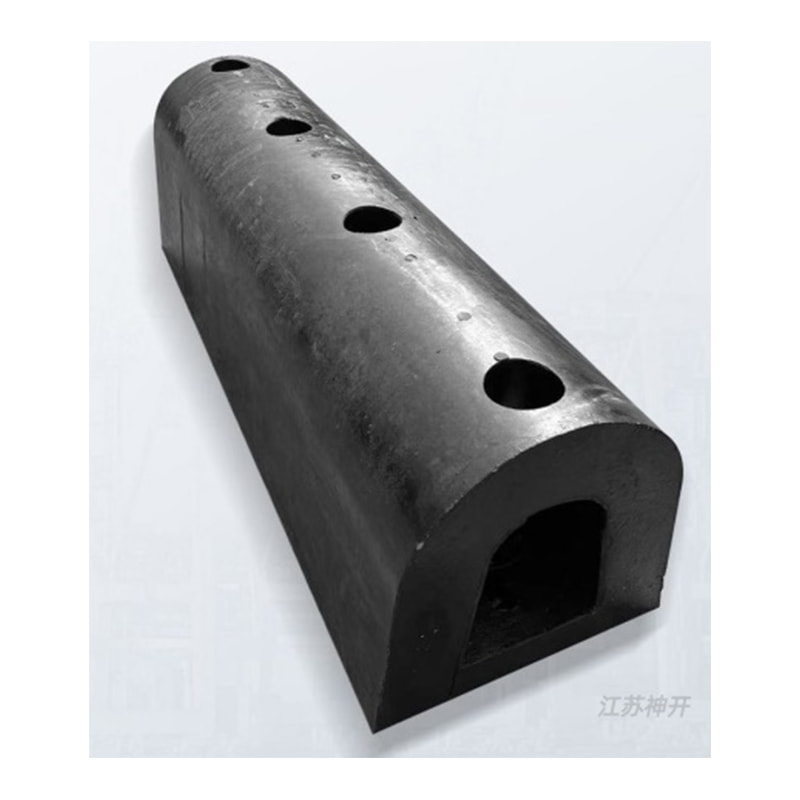
Rubber fenders
Features: High energy absorption and reaction force, durable... -
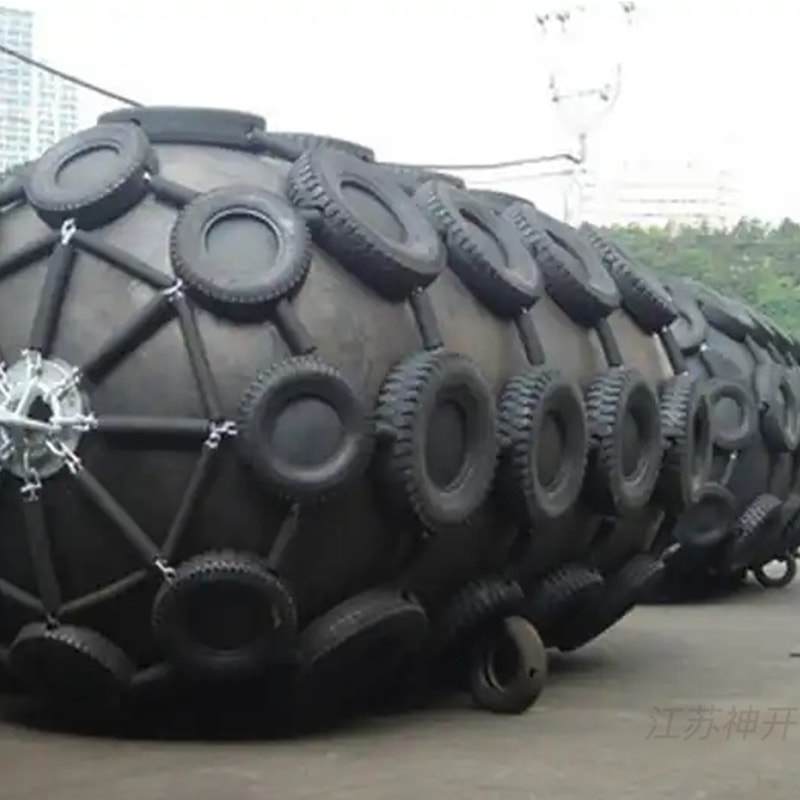
Foam-filled fenders
Features: Utilizing compressed foam as a cushioning medium, ...
Marine fenders, also known as ship fenders, are elastic buffer devices used on the edge of docks or ships. They are mainly used to reduce the impact force between the ship and the dock or between the ships during docking or mooring, preventing or eliminating damage to the ship or dock.
About
Jiangsu Shenkai Marine Equipment Co.,Ltd.
News
-
Introduction to Marine Spiral Duct In the demanding environment of the marine industry, reliable air distribution and exhaust systems are crucial to ensuring safety, comfort, and operational efficiency. One key component that plays an essential role in these systems is the marine spiral duct. Designed specifically for ...
READ MORE -
Introduction to Marine Ropes What are Marine Ropes? Marine ropes, often referred to as lines in nautical terms, are a fundamental component of any boat or marine vessel. They are specially designed cords, cables, or strands twisted or braided together to provide strength, durability, and flexibility for a wide range of...
READ MORE -
Introduction In today’s globalized world, the demand for efficient and reliable ship refrigeration has become more critical than ever. As international trade continues to grow, the transportation of goods—especially perishable items like food, pharmaceuticals, and other temperature-sensitive products—requires specializ...
READ MORE
Marine Fenders Industry knowledge
What are the energy absorption and resilience of marine fenders?
Introduction to Marine Fenders
Marine fenders are critical components in port and docking operations, designed to absorb the kinetic energy of vessels during berthing and mooring. They act as a buffer between ships and docks or between ships themselves, reducing the risk of structural damage to both the vessel and the berth. The performance of marine fenders is largely determined by their energy absorption capacity and resilience, which are influenced by materials, design, and environmental conditions. Understanding these characteristics is essential for selecting the appropriate fender type for specific maritime applications.
Types of Marine Fenders
There are several types of marine fenders, each offering different levels of energy absorption and resilience. Common types include pneumatic fenders, foam-filled fenders, and rubber extruded or molded fenders. Pneumatic fenders, often referred to as floating fenders, consist of a flexible rubber shell filled with air, providing high elasticity and energy absorption. Foam-filled fenders contain closed-cell foam inside a rubber coating, which prevents water ingress and maintains buoyancy while offering moderate energy absorption. Rubber extruded or molded fenders are made from solid or hollow rubber, offering reliable resilience and resistance to deformation under repeated impacts.
Energy Absorption Characteristics
Energy absorption in marine fenders is defined as the ability to dissipate the kinetic energy of a berthing vessel into the fender system. It is measured in kilonewtons per meter (kN/m) or similar units and is influenced by factors such as fender type, size, material properties, and installation method. Pneumatic fenders have high energy absorption due to the compressibility of air, which allows gradual deformation under load and even distribution of forces. Foam-filled fenders provide predictable energy dissipation because the foam compresses under impact, while rubber fenders absorb energy through elastic deformation and surface compression. The design must consider vessel size, berthing speed, and fender spacing to ensure adequate energy absorption without overloading the fender or causing damage to the berth structure.
Resilience and Recovery
Resilience refers to the fender’s ability to return to its original shape after deformation caused by vessel impact. High resilience is important to maintain consistent performance and longevity of the fender system. Pneumatic fenders exhibit high resilience due to the elasticity of the rubber and the compressible air inside. Foam-filled fenders recover from moderate impacts, but extreme compression can lead to permanent deformation over time. Rubber extruded fenders show strong resilience against repeated impacts, although their ability to recover is influenced by the hardness and thickness of the rubber. The resilience of marine fenders is also affected by environmental conditions such as temperature, UV exposure, and contact with seawater or chemicals, which can alter the mechanical properties of rubber and foam.
Factors Affecting Energy Absorption and Resilience
Several factors influence the energy absorption and resilience of marine fenders. Material selection is crucial, as high-quality rubber or reinforced composites provide better elasticity and durability. Fender size and shape, such as cylindrical, cone, or arch types, affect the contact area with the vessel and the distribution of force. Installation method, including vertical or horizontal mounting, also impacts performance, as improper alignment can reduce energy absorption efficiency. Environmental conditions such as exposure to UV rays, seawater, and temperature variations can alter the properties of rubber and foam over time, potentially decreasing resilience and energy absorption capacity.
Performance Testing and Standards
Marine fenders are tested to ensure they meet performance criteria for energy absorption and resilience. Standard tests measure compression under specified loads, recovery rate after deformation, and resistance to environmental factors. International standards such as PIANC (World Association for Waterborne Transport Infrastructure), ISO, and ASTM provide guidelines for evaluating fender performance. Testing includes cyclic compression to simulate repeated berthing events, ensuring that the fender maintains adequate energy absorption and returns to its original shape without significant degradation.
Comparative Energy Absorption of Fender Types
The following table provides a comparative overview of energy absorption and resilience characteristics of common marine fender types:
| Fender Type | Energy Absorption (kN/m) | Resilience | Typical Applications |
|---|---|---|---|
| Pneumatic Fender | High | High | Large vessels, offshore berths, floating docks |
| Foam-Filled Fender | Moderate | Moderate | Container terminals, general cargo berths, ferry terminals |
| Rubber Extruded/Molded Fender | Moderate | Moderate to High | Small to medium vessels, quay walls, ship-to-ship operations |
Maintenance Considerations
Proper maintenance is essential to preserve the energy absorption and resilience of marine fenders. Regular inspection for surface damage, cracks, air leakage (in pneumatic fenders), and foam integrity (in foam-filled fenders) ensures that fenders maintain their designed performance. Cleaning fenders to remove accumulated salt, algae, and debris prevents abrasion and chemical degradation. Lubricating moving parts and checking attachment hardware help maintain consistent performance. Neglecting maintenance can lead to reduced energy absorption, permanent deformation, and premature failure.
Design Optimization for Specific Vessels
The selection and configuration of marine fenders are optimized based on vessel size, berthing speed, and frequency of use. Larger vessels require fenders with higher energy absorption, often pneumatic or large foam-filled types, while smaller vessels may use rubber extruded fenders. Fender spacing, mounting height, and orientation are carefully calculated to distribute impact forces evenly and prevent local overstressing. Proper design ensures that fenders function effectively across a range of berthing scenarios, maintaining both energy absorption capacity and resilience over time.
Environmental Adaptation
Marine fenders must endure harsh environments including saltwater, wind, UV exposure, and temperature fluctuations. Materials and surface treatments are selected to minimize degradation. Pneumatic fenders may use reinforced rubber skins to resist puncture and abrasion, while foam-filled fenders often include anti-UV coatings. These adaptations extend service life, preserve energy absorption characteristics, and maintain resilience in diverse marine settings, from tropical ports to cold northern climates.
Lifecycle and Sustainability
The lifecycle of marine fenders depends on material quality, environmental exposure, and maintenance practices. Properly selected and maintained fenders can provide long-term performance, absorbing energy efficiently and retaining resilience over thousands of berthing operations. Sustainability considerations include the recyclability of rubber and foam materials, as well as reducing the frequency of replacement through preventive maintenance. Choosing fenders with durable and environmentally resistant properties contributes to cost-effectiveness and operational reliability in maritime operations.
Conclusion on Energy Absorption and Resilience
Marine fenders play a crucial role in safeguarding vessels and dock structures during berthing. Their energy absorption and resilience depend on fender type, material, design, installation, and maintenance. Pneumatic, foam-filled, and rubber extruded fenders each offer different balances of absorption and recovery, suitable for varying vessel sizes and environmental conditions. By understanding these characteristics and adhering to proper standards and maintenance, marine operators can ensure effective and reliable performance of fender systems over extended periods.
Copyright © Jiangsu Shenkai Marine Equipment Co.,Ltd. All Rights Reserved.
