


 en
en  English
 한국어
한국어 中文简体
中文简体 Deutsch
 日本語
日本語 Español
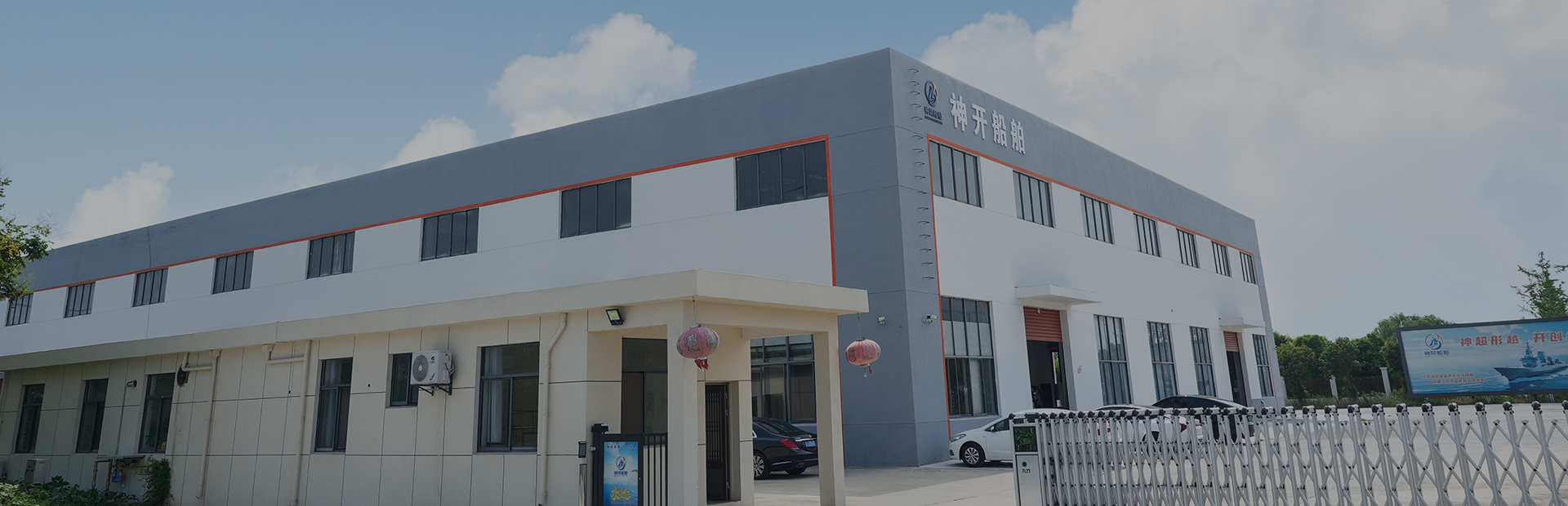
Jiangsu Shenkai Marine Equipment Co.,Ltd. China Marine Cold Storage Panels Suppliers and Ship Cold Storage Panels Manufacturers, designs and manufactures marine equipment. Its current product offerings include marine prefabricated cold storage, marine ventilation duct systems, marine covers, marine composite panels, marine interior solutions, fire doors, sanitary unit systems, and other products and services. Founded in 2023, the company prioritizes technological innovation and continuous improvement as its fundamental strategy and core competitiveness. Through unremitting pursuit and exploration, it provides high-quality products and comprehensive services. Currently, the company boasts ample technical and production capacity, producing and servicing approximately 300 sets of marine cold storage panels annually. It also undertakes the production and service of ventilation duct systems and marine interior projects. The technical performance, structural features, and quality of our products fully meet the requirements and standards of marine and offshore engineering. They are widely used by major domestic shipyards and are on par with similar international products. We are currently exporting products in bulk to countries such as Japan, the Philippines, Singapore, South Korea, Vietnam, and India. The company prioritizes customer focus and strives to exceed customer expectations, providing comprehensive marine product support services. We are committed to collaborating closely with domestic and international enterprises, sharing resources, and creating shared success.
Marine/Ship Cold Storage Panels Manufacturers
-
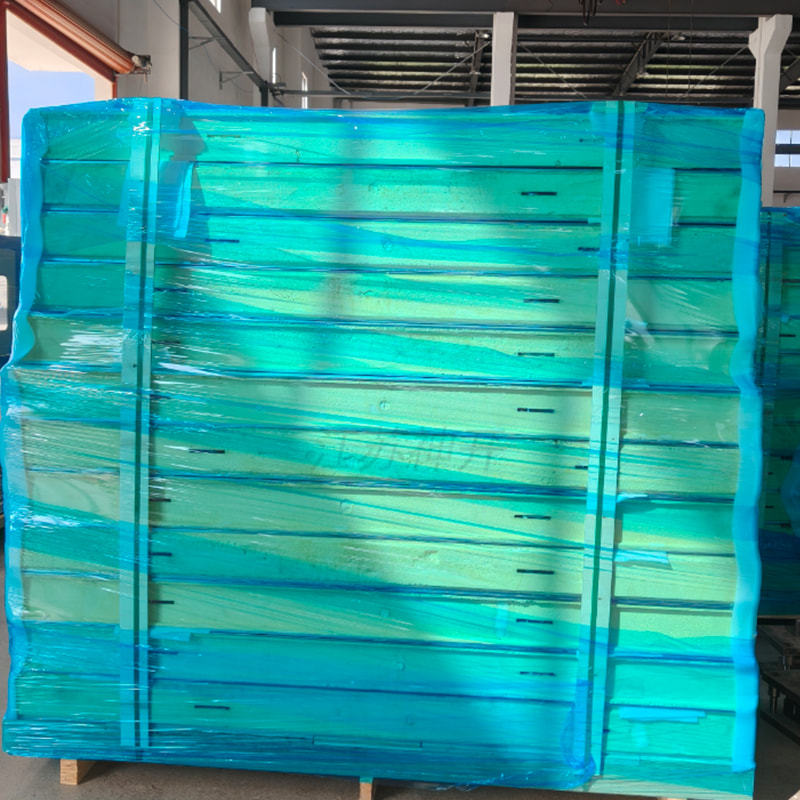
Marine cold storage roof
The product panels are constructed from stainless steel shee... -
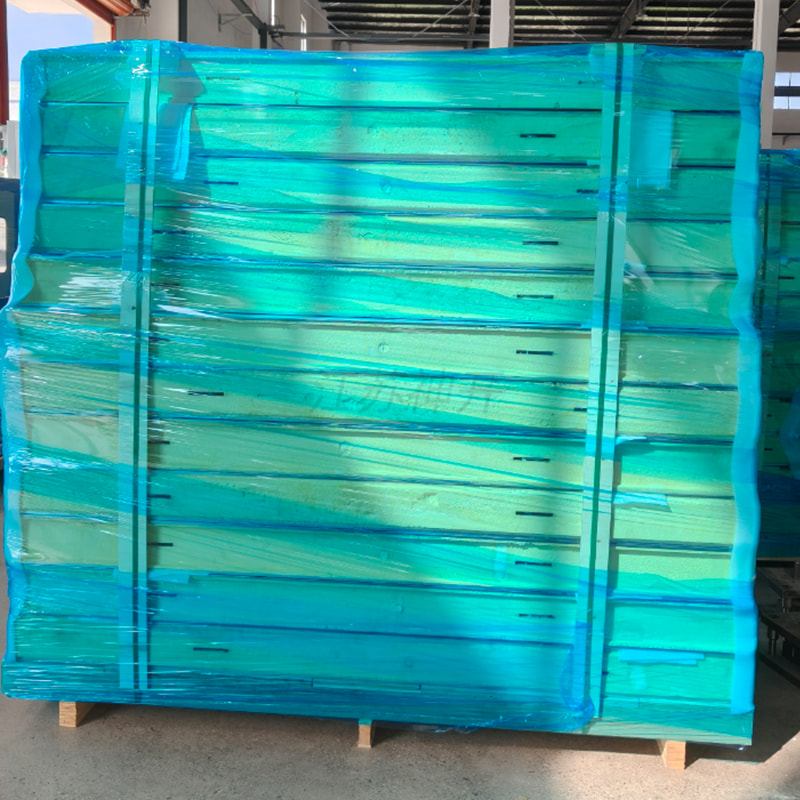
Marine cold storage siding
The product panels are made of stainless steel sheet metal, ... -
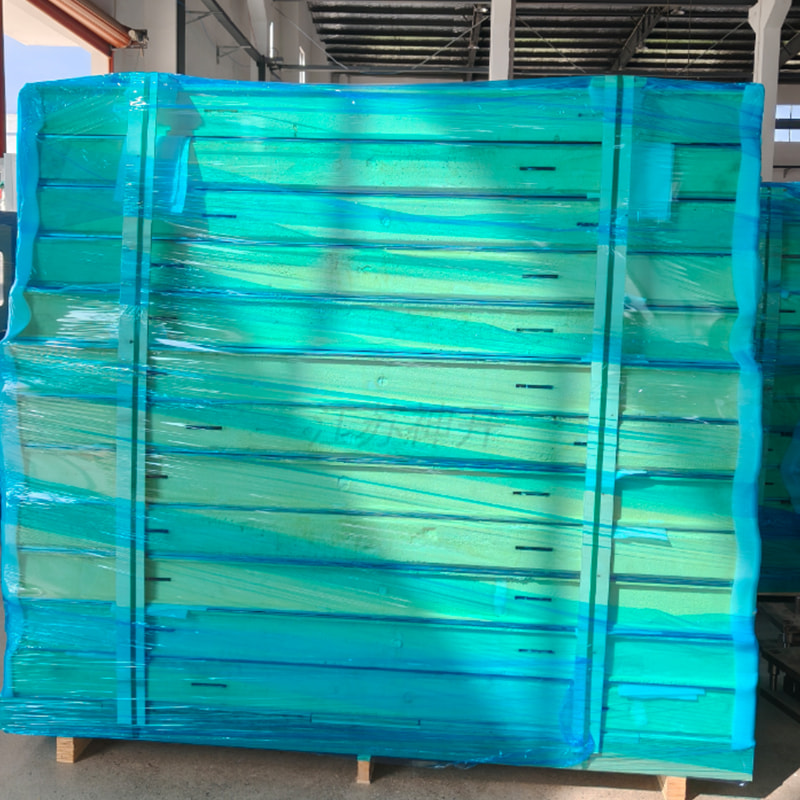
Marine cold storage partitions
The product's panels are constructed from stainless steel sh... -
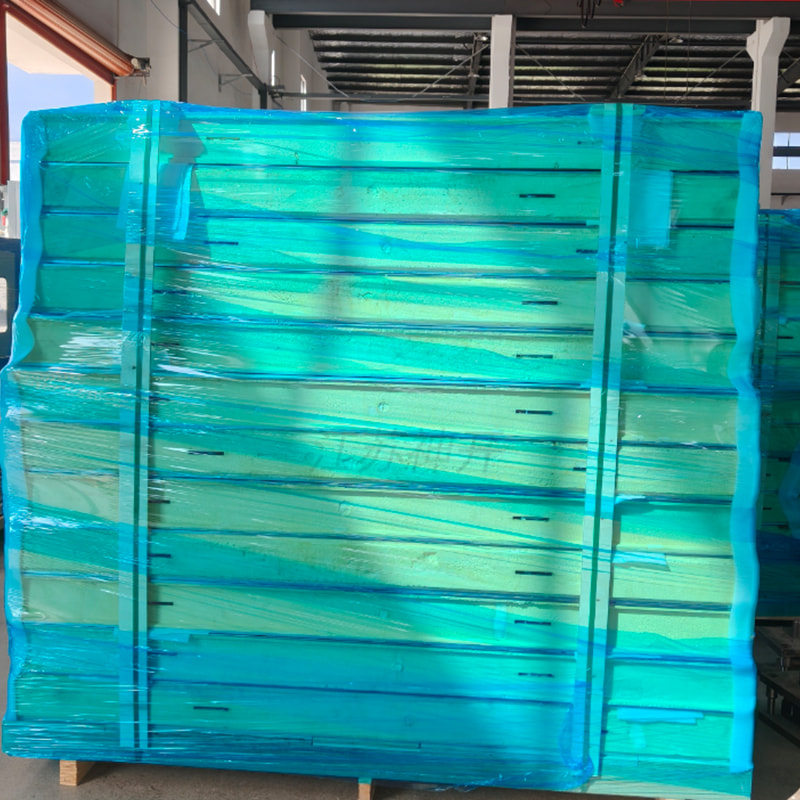
Marine cold storage floor
The product's panels are constructed from stainless steel sh...
Marine cold storage panels are key materials for the construction of ship cold storage. They are usually composed of double-sided metal plates and foam insulation materials in the middle. Marine cold storage panels can be used to store seafood and other catches, preserve food for crew members and passengers, and store special materials, medicines, and biological products. The visible side is generally made of stainless steel plates, which have good corrosion resistance and aesthetics; the invisible side is mostly made of galvanized plates or color-coated steel plates, which can play a certain protective and supporting role. Commonly used flame-retardant rigid polyurethane foam plastics have low thermal conductivity, good mold filling properties, light specific gravity, and high strength. The connection between marine cold storage panels adopts a concave and convex fit, which ensures precise positioning and flat paneling. Eccentric locking hooks are embedded in the concave and convex seams. By twisting the wrench, the two panels can be tightly buckled, making the joint tighter, assembly faster, stronger, and more airtight. Panel features: excellent thermal insulation performance, high structural strength, good sealing performance, easy installation, and strong corrosion resistance. We can design panels according to the layout of the room and customer requirements, and provide timely docking and fast delivery. If necessary, we can also provide workers for installation.
About
Jiangsu Shenkai Marine Equipment Co.,Ltd.
News
-
Introduction to Marine Spiral Duct In the demanding environment of the marine industry, reliable air distribution and exhaust systems are crucial to ensuring safety, comfort, and operational efficiency. One key component that plays an essential role in these systems is the marine spiral duct. Designed specifically for ...
READ MORE -
Introduction to Marine Ropes What are Marine Ropes? Marine ropes, often referred to as lines in nautical terms, are a fundamental component of any boat or marine vessel. They are specially designed cords, cables, or strands twisted or braided together to provide strength, durability, and flexibility for a wide range of...
READ MORE -
Introduction In today’s globalized world, the demand for efficient and reliable ship refrigeration has become more critical than ever. As international trade continues to grow, the transportation of goods—especially perishable items like food, pharmaceuticals, and other temperature-sensitive products—requires specializ...
READ MORE
Marine Cold Storage Panels Industry knowledge
Are the marine/ship cold storage panels fire-resistant or equipped with flame-retardant properties?
Understanding the Role of Marine and Ship Cold Storage Panels
Marine and ship cold storage panels are specialized structural elements designed for use in refrigerated compartments aboard vessels. Their primary purpose is to maintain consistent temperatures for the preservation of perishable goods, seafood, and other supplies essential during long voyages. These panels are typically composed of insulation cores encased between protective metal layers, engineered to withstand harsh marine environments. However, beyond thermal performance, modern designs must also consider safety factors such as fire resistance and flame-retardant properties, which directly influence compliance with maritime safety regulations and the protection of personnel and cargo.
Distinguishing Fire-Resistance and Flame-Retardancy
It is important to distinguish between fire-resistance and flame-retardancy when assessing marine cold storage panels. Fire-resistant panels are designed to withstand exposure to high temperatures and prevent the spread of flames for a specified period, thereby containing fire hazards within defined compartments. Flame-retardant panels, on the other hand, incorporate treatments or additives that slow the ignition process and reduce the spread of flames. While both qualities are related to safety, their performance levels and intended applications differ. For shipboard cold storage panels, the selection between fire-resistant and flame-retardant designs depends on the specific risk profile of the vessel and the regulatory framework it must meet.
Materials Used in Marine Cold Storage Panels
The performance of marine cold storage panels largely depends on the materials used in their construction. Core materials often include polyurethane foam, polyisocyanurate foam, or mineral wool, each with distinct characteristics in terms of insulation and fire behavior. Polyurethane and polyisocyanurate foams offer excellent thermal insulation but typically require flame-retardant treatments to meet safety standards. Mineral wool cores, in contrast, provide both insulation and inherent fire-resistance, making them suitable for high-risk environments. The choice of outer metal layers, often galvanized steel or aluminum, also contributes to fire performance by protecting the core and adding structural strength.
International Safety Regulations and Standards
Marine and ship cold storage panels must comply with international maritime safety regulations. The International Maritime Organization (IMO) establishes fire safety codes that govern shipboard materials, including the International Convention for the Safety of Life at Sea (SOLAS). Panels may also be tested under standards such as the International Maritime Dangerous Goods Code (IMDG) and fire test procedures laid out by classification societies like Lloyd’s Register or DNV. Compliance with these standards ensures that cold storage panels contribute to the vessel’s overall fire safety strategy, particularly in enclosed areas where risks may be higher.
Performance Testing of Fire-Resistant and Flame-Retardant Panels
Before installation, marine cold storage panels undergo rigorous performance testing to verify their safety properties. Fire tests measure factors such as ignition resistance, flame spread, smoke production, and structural integrity under elevated temperatures. Common methods include the IMO FTP Code Part 1 test for non-combustibility and the IMO FTP Code Part 5 test for surface spread of flame. These tests help determine whether a panel qualifies as fire-resistant or flame-retardant and provide measurable data for shipbuilders and operators when selecting panel systems. Certified performance testing is critical for ensuring compliance and safeguarding vessel operations.
Comparison of Core Materials in Terms of Fire Behavior
The fire safety performance of marine cold storage panels is strongly influenced by the insulation core material. Different core materials offer varying levels of flame resistance, as outlined in the table below:
| Core Material | Insulation Performance | Fire Resistance/Flame-Retardant Properties |
|---|---|---|
| Polyurethane Foam (PU) | High thermal insulation | Requires flame-retardant additives; limited fire resistance |
| Polyisocyanurate Foam (PIR) | High thermal insulation | Better fire performance than PU, often treated for flame-retardancy |
| Mineral Wool | Moderate insulation | Inherently non-combustible; high fire resistance |
| Phenolic Foam | Good insulation | Low flame spread; smoke reduction properties |
Integration of Flame-Retardant Additives
For foam-based cores such as polyurethane and polyisocyanurate, flame-retardant additives are often incorporated to enhance safety. These additives work by either diluting combustible gases, creating protective char layers, or disrupting combustion chemistry. The effectiveness of such treatments can vary, making certification and standardized testing essential. While additives reduce the risk of rapid ignition, they do not transform foam panels into fully fire-resistant structures. Therefore, the decision to use flame-retardant treated foam panels depends on the operational environment and the fire safety strategy of the vessel.
Role of Panel Thickness and Construction
Panel thickness and construction also influence fire safety properties. Thicker panels may provide additional insulation against heat transfer, delaying the spread of fire. However, the presence of metal facings, adhesive bonding, and joint design also play critical roles. For instance, interlocking joints can reduce pathways for flames and smoke, while properly bonded layers ensure structural stability during fire exposure. Engineering design must account for these factors when developing panels for marine use, ensuring that fire safety features are integrated with thermal insulation and durability requirements.
Operational Safety in Ship Environments
The shipboard environment presents unique challenges for cold storage panels. Confined spaces, proximity to engine rooms, and the presence of flammable goods increase the importance of fire safety. Fire-resistant or flame-retardant marine panels minimize the risk of fire spreading within refrigerated compartments, protecting cargo and crew. Additionally, the use of such panels supports compartmentalization, an essential fire safety principle in naval architecture. By limiting fire to specific zones, these panels contribute to greater overall vessel resilience in emergency situations.
Cost Considerations and Material Selection
When selecting marine cold storage panels, ship operators must balance cost considerations with safety performance. Foam-based panels with flame-retardant treatments are typically more cost-effective but may offer limited fire endurance. Mineral wool panels, while providing superior fire resistance, are heavier and may involve higher material and installation costs. Decision-making involves evaluating the level of fire risk on board, regulatory requirements, and budget constraints. Ultimately, long-term safety and compliance often justify investment in higher-performance fire-resistant panels.
Maintenance and Inspection Practices
Even when panels are fire-resistant or flame-retardant, ongoing maintenance and inspection are critical for ensuring effectiveness. Ship operators must regularly check for physical damage, delamination, or corrosion of panel facings, as these issues can compromise fire performance. Inspections also involve verifying the integrity of seals and joints, which may degrade under constant thermal cycling and humidity. Documented maintenance schedules, combined with crew awareness of fire safety protocols, contribute to maintaining the intended safety levels throughout the service life of the panels.
Environmental Impact of Flame-Retardant Treatments
Flame-retardant chemicals used in some marine cold storage panels may raise concerns regarding environmental and health impacts. Certain halogenated flame retardants, for example, can release toxic gases during combustion. To address these concerns, modern manufacturers are increasingly shifting toward halogen-free flame-retardant technologies that reduce smoke and toxic emissions. This transition aligns with stricter international environmental regulations and supports the broader maritime industry’s move toward safer and more sustainable materials.
Applications of Fire-Resistant Cold Storage Panels
Fire-resistant cold storage panels are particularly important in vessels that transport flammable or hazardous cargo, such as oil tankers, chemical carriers, and supply vessels. They are also valuable in passenger ships, where safety standards are highest due to the large number of occupants. In fishing vessels and food transport ships, the emphasis is on maintaining refrigeration while ensuring fire safety to protect valuable cargo. Each of these applications highlights the dual role of cold storage panels: thermal insulation and fire safety.
Advantages and Limitations of Fire-Resistant Panels
Fire-resistant panels offer distinct advantages, including compliance with international safety codes, enhanced crew protection, and reduced fire propagation risk. However, they also present limitations such as increased weight and higher cost compared to flame-retardant-only panels. Additionally, installation may require specialized methods to ensure proper sealing and fire integrity. Understanding both the advantages and limitations helps shipowners and designers make informed decisions tailored to specific vessel types and operational needs.
Future Developments in Marine Cold Storage Panel Technology
Advancements in material science are leading to the development of cold storage panels with improved insulation, lighter weight, and enhanced fire safety. Hybrid core materials combining the insulating efficiency of foams with the fire resistance of mineral-based materials are under development. Manufacturers are also focusing on environmentally friendly flame-retardant solutions that minimize toxic emissions. As maritime regulations evolve, future panels are likely to integrate more sophisticated fire safety features while maintaining energy efficiency and durability in marine conditions.
Summary of Key Differences in Fire Properties
The table below summarizes the main differences between fire-resistant and flame-retardant marine cold storage panels, providing a clear comparison for shipbuilders and operators:
| Characteristic | Fire-Resistant Panels | Flame-Retardant Panels |
|---|---|---|
| Primary Function | Withstand fire exposure and contain flames for a specified duration | Slow down ignition and reduce flame spread |
| Core Material | Often mineral wool or phenolic foam | Typically polyurethane or polyisocyanurate foam with additives |
| Regulatory Compliance | Required in high-risk and passenger vessels | Suitable for lower-risk cargo or fishing vessels |
| Cost | Higher initial cost | More cost-effective |
| Weight | Heavier due to mineral cores | Lighter and easier to install |
Copyright © Jiangsu Shenkai Marine Equipment Co.,Ltd. All Rights Reserved.
