


 en
en  English
 한국어
한국어 中文简体
中文简体 Deutsch
 日本語
日本語 Español
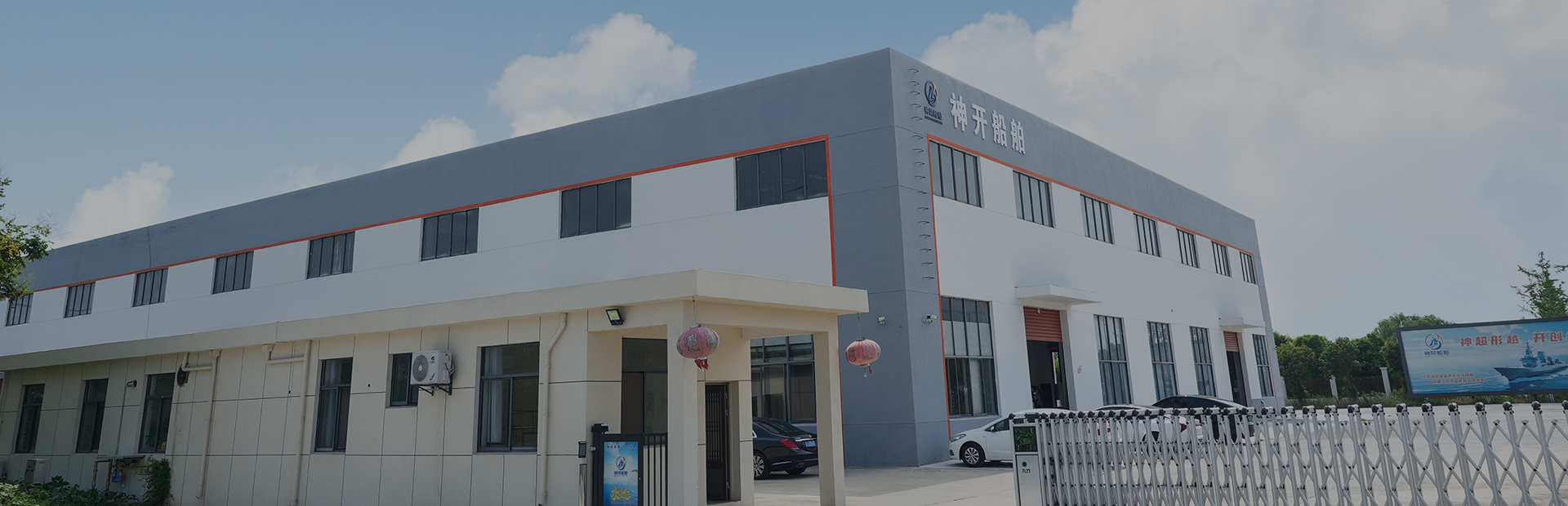
Jiangsu Shenkai Marine Equipment Co.,Ltd. China Marine Ventilation Ducts Suppliers and Marine Ventilation Pipes Manufacturers, designs and manufactures marine equipment. Its current product offerings include marine prefabricated cold storage, marine ventilation duct systems, marine covers, marine composite panels, marine interior solutions, fire doors, sanitary unit systems, and other products and services. Founded in 2023, the company prioritizes technological innovation and continuous improvement as its fundamental strategy and core competitiveness. Through unremitting pursuit and exploration, it provides high-quality products and comprehensive services. Currently, the company boasts ample technical and production capacity, producing and servicing approximately 300 sets of marine cold storage panels annually. It also undertakes the production and service of ventilation duct systems and marine interior projects. The technical performance, structural features, and quality of our products fully meet the requirements and standards of marine and offshore engineering. They are widely used by major domestic shipyards and are on par with similar international products. We are currently exporting products in bulk to countries such as Japan, the Philippines, Singapore, South Korea, Vietnam, and India. The company prioritizes customer focus and strives to exceed customer expectations, providing comprehensive marine product support services. We are committed to collaborating closely with domestic and international enterprises, sharing resources, and creating shared success.
Marine Ventilation Pipes Suppliers
-
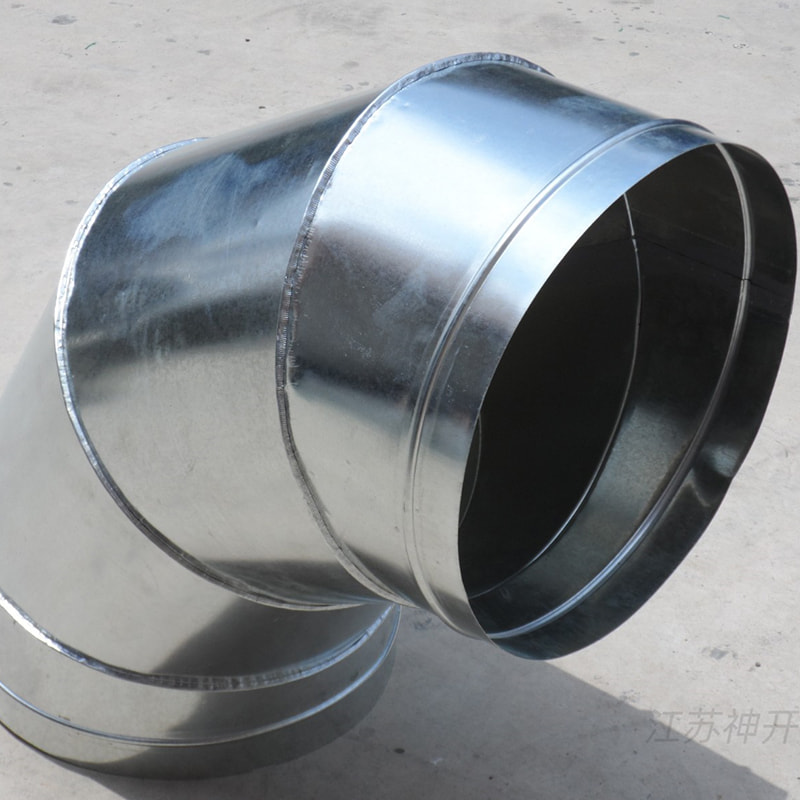
Marine spiral duct
Marine spiral ducts offer significant advantages, including ... -
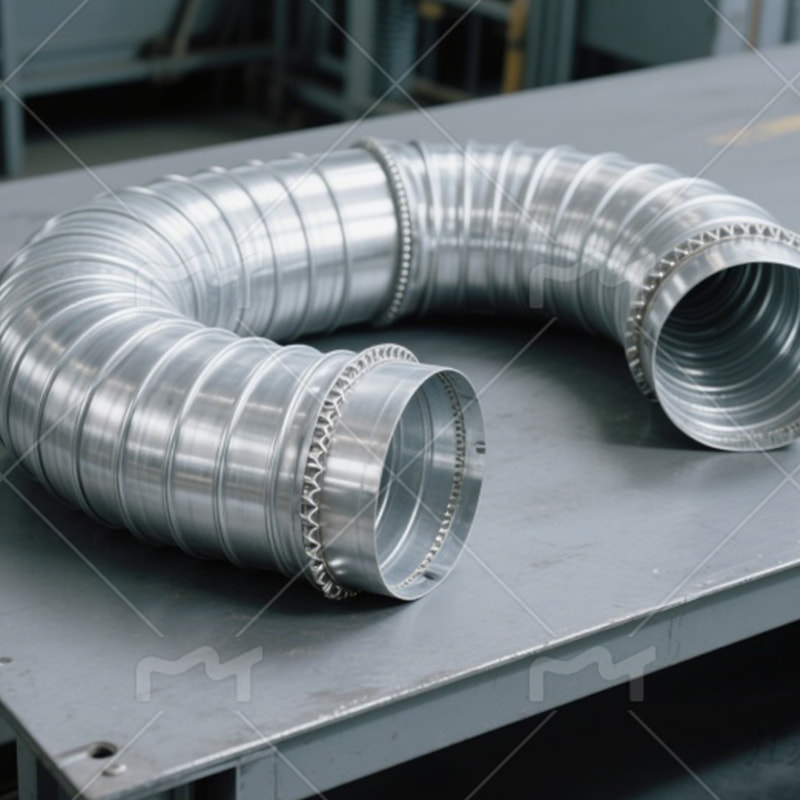
Marine welded air duct
Marine welded air duct offers significant advantages, includ...
Marine ventilation pipes are key components of a ship's ventilation system, transporting air and maintaining cabin air quality. Common types include galvanized round and spiral ducts, often made of stainless steel or galvanized sheet. They are used for ventilation in various cabins on board ships. They are manufactured on automated production lines, ensuring high precision and high production capacity. We also offer design, installation, and commissioning services. Their advantages include corrosion resistance, high pressure resistance, low windage, easy installation, and excellent sealing.
About
Jiangsu Shenkai Marine Equipment Co.,Ltd.
News
-
Introduction to Marine Spiral Duct In the demanding environment of the marine industry, reliable air distribution and exhaust systems are crucial to ensuring safety, comfort, and operational efficiency. One key component that plays an essential role in these systems is the marine spiral duct. Designed specifically for ...
READ MORE -
Introduction to Marine Ropes What are Marine Ropes? Marine ropes, often referred to as lines in nautical terms, are a fundamental component of any boat or marine vessel. They are specially designed cords, cables, or strands twisted or braided together to provide strength, durability, and flexibility for a wide range of...
READ MORE -
Introduction In today’s globalized world, the demand for efficient and reliable ship refrigeration has become more critical than ever. As international trade continues to grow, the transportation of goods—especially perishable items like food, pharmaceuticals, and other temperature-sensitive products—requires specializ...
READ MORE
Marine Ventilation Pipes Industry knowledge
Are marine ventilation pipes resistant to corrosion, seawater erosion, UV rays, and high temperatures?
Overview of Marine Ventilation Pipes
Marine ventilation pipes are essential components for maintaining airflow and regulating environmental conditions within ships and offshore platforms. They serve to ventilate machinery spaces, living quarters, and cargo areas, ensuring safety, comfort, and proper operation of onboard systems. These pipes are exposed to a variety of environmental stresses including high humidity, seawater splashes, UV radiation, temperature variations, and corrosive gases. Their durability and resistance to these conditions are critical for long-term operation and minimal maintenance requirements.
Material Selection for Corrosion Resistance
Marine ventilation pipes are typically manufactured from materials that offer resistance to corrosion. Common options include stainless steel, aluminum alloys, coated carbon steel, and high-performance plastics such as PVC and fiberglass-reinforced polymers (FRP). Stainless steel provides inherent resistance to both atmospheric and saltwater corrosion due to its chromium content, which forms a protective passive layer. Aluminum alloys, while lighter, are anodized or coated to enhance their resistance to corrosion in marine environments. FRP and PVC offer resistance to both chemical attack and marine biofouling, making them suitable for less mechanically stressed ventilation pathways.
Resistance to Seawater Erosion
Seawater erosion is a significant factor affecting marine ventilation pipes, particularly in coastal and offshore operations where spray and splashing are frequent. Pipes in these environments must withstand not only chemical corrosion from salts but also mechanical abrasion caused by suspended particles in seawater. Materials like FRP and stainless steel demonstrate superior resistance to such erosion, maintaining their structural integrity and surface smoothness over time. Protective coatings and periodic maintenance further enhance durability against mechanical and chemical wear.
UV Radiation Resistance
Exposure to sunlight can lead to degradation in some materials used in marine ventilation systems. UV rays can cause discoloration, surface cracking, and loss of mechanical properties in certain polymers. To address this, marine ventilation pipes made from plastics or composites are often formulated with UV stabilizers or protective coatings. Metals such as stainless steel and aluminum are less affected by UV radiation, but surface treatments and paints may still be applied to prevent potential photo-induced oxidation or reflect heat away from the pipes. Ensuring UV resistance is particularly important for pipes installed above deck or in open areas of the vessel.
High Temperature Resistance
Marine ventilation pipes must also endure high temperature conditions, especially in engine rooms, exhaust ducts, and other areas where hot air, gases, or steam are present. Materials such as stainless steel and FRP are selected based on their ability to withstand sustained elevated temperatures without warping, softening, or losing mechanical strength. For plastic-based pipes, heat-resistant variants like PVC-U, CPVC, and specially formulated FRP composites are used. Proper selection ensures that the ventilation system continues to function efficiently even under prolonged exposure to heat.
Design Considerations for Durability
The design of marine ventilation pipes incorporates factors that enhance resistance to environmental stresses. Pipe wall thickness, diameter, and joint type are selected to provide mechanical strength, minimize deformation, and prevent leakage. Joints and seals are made from corrosion-resistant materials, including EPDM, silicone, and fluoropolymer gaskets, which maintain flexibility and sealing performance under fluctuating temperatures and exposure to UV and seawater. Proper design also includes consideration for thermal expansion, vibration damping, and support structures that reduce stress on the pipe system.
Protective Coatings and Treatments
In addition to base material properties, protective coatings are widely applied to marine ventilation pipes. Epoxy coatings, polyurethane paints, zinc-rich primers, and powder coatings enhance corrosion resistance, reduce fouling, and provide additional UV protection. Coatings also serve as a barrier to abrasive particles, limiting erosion. For metallic pipes, galvanization or anodization provides long-term protection against chemical attack and physical wear. These treatments extend the operational life of ventilation systems while reducing maintenance frequency.
Installation Practices and Environmental Adaptation
Installation methods contribute to the overall durability of marine ventilation pipes. Pipes must be securely supported to avoid excessive vibration, bending, or contact with potentially corrosive surfaces. Proper spacing and alignment reduce mechanical stress and prevent water accumulation that could accelerate corrosion. Insulation or cladding may be applied to pipes exposed to high heat or direct sunlight, reducing thermal expansion, UV damage, and temperature-induced degradation. Installation practices directly influence how well the pipe system resists environmental stresses over time.
Maintenance and Inspection
Routine inspection and maintenance play an important role in sustaining the resistance of marine ventilation pipes to corrosion, seawater erosion, UV rays, and high temperatures. Regular cleaning removes salt deposits, biological growth, and accumulated debris. Inspection of joints, supports, and coatings allows for early detection of wear or damage. In cases where coatings degrade, reapplication or spot treatment ensures continued protection. Scheduled maintenance also includes monitoring for leaks, mechanical stress, and any signs of deformation due to heat or UV exposure.
Standards and Compliance
Marine ventilation pipes must adhere to international standards and maritime regulations, which dictate material selection, mechanical strength, corrosion resistance, and safety factors. Organizations such as the International Maritime Organization (IMO), ISO, and classification societies provide guidance for performance testing, environmental resistance, and long-term reliability. Compliance ensures that ventilation systems perform effectively under the challenging conditions of marine environments, including saltwater, UV radiation, and temperature fluctuations.
Comparative Material Performance
The following table compares common materials used for marine ventilation pipes in terms of resistance to environmental factors:
| Material | Corrosion Resistance | Seawater Erosion Resistance | UV Resistance | High Temperature Resistance |
|---|---|---|---|---|
| Stainless Steel | High | High | Moderate | High |
| Aluminum Alloy | Moderate | Moderate | Moderate | Moderate |
| FRP (Fiberglass Reinforced Polymer) | High | High | High (with stabilizers) | Moderate to High |
| PVC / CPVC | High | Moderate | High (UV stabilized) | Moderate |
| Galvanized Steel | Moderate | Moderate | Low to Moderate | Moderate |
Conclusion on Environmental Resistance
Marine ventilation pipes are engineered to withstand harsh environmental conditions, including corrosion, seawater erosion, UV radiation, and high temperatures. Material selection, protective coatings, design practices, and maintenance all contribute to their long-term reliability. Compliance with international standards and proper installation further enhances their ability to perform across different marine settings. By integrating these considerations, marine ventilation systems maintain safe and efficient operation over extended service periods, even in challenging maritime environments.
Copyright © Jiangsu Shenkai Marine Equipment Co.,Ltd. All Rights Reserved.
