


 en
en  English
 한국어
한국어 中文简体
中文简体 Deutsch
 日本語
日本語 Español
Jiangsu Shenkai Marine Equipment Co.,Ltd. China Marine Sanitary Units Suppliers and Marine Sanitary Units Manufacturers, designs and manufactures marine equipment. Its current product offerings include marine prefabricated cold storage, marine ventilation duct systems, marine covers, marine composite panels, marine interior solutions, fire doors, sanitary unit systems, and other products and services. Founded in 2023, the company prioritizes technological innovation and continuous improvement as its fundamental strategy and core competitiveness. Through unremitting pursuit and exploration, it provides high-quality products and comprehensive services. Currently, the company boasts ample technical and production capacity, producing and servicing approximately 300 sets of marine cold storage panels annually. It also undertakes the production and service of ventilation duct systems and marine interior projects. The technical performance, structural features, and quality of our products fully meet the requirements and standards of marine and offshore engineering. They are widely used by major domestic shipyards and are on par with similar international products. We are currently exporting products in bulk to countries such as Japan, the Philippines, Singapore, South Korea, Vietnam, and India. The company prioritizes customer focus and strives to exceed customer expectations, providing comprehensive marine product support services. We are committed to collaborating closely with domestic and international enterprises, sharing resources, and creating shared success.
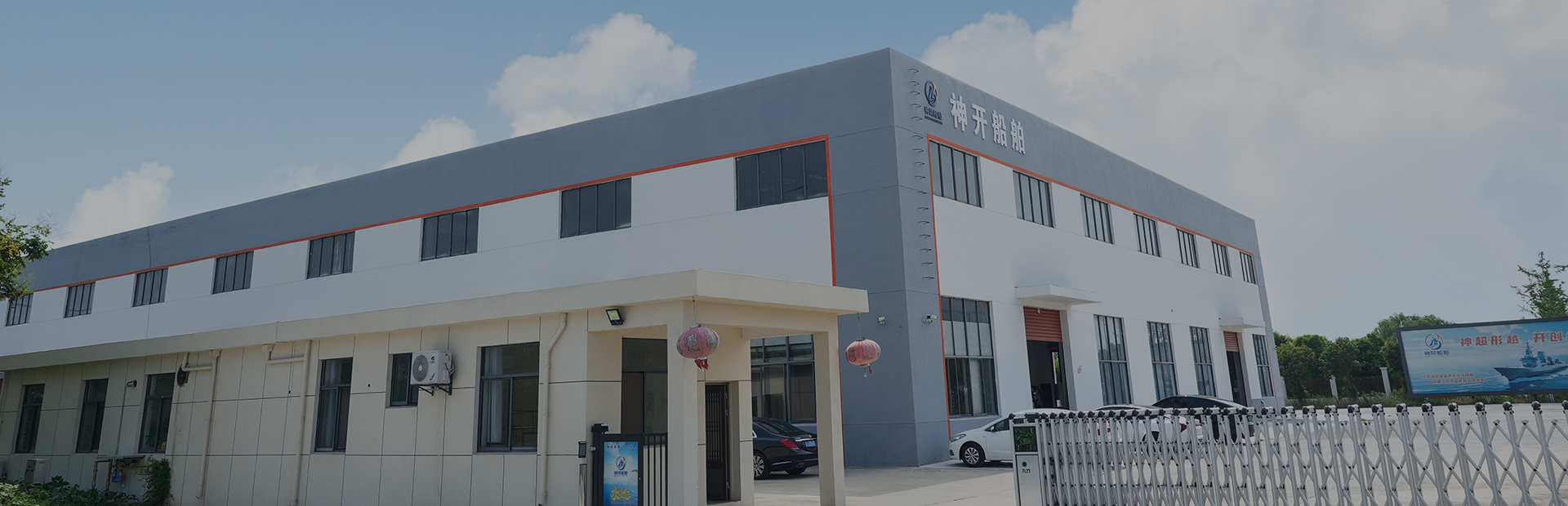
Marine/Ship Sanitary Units Suppliers
-
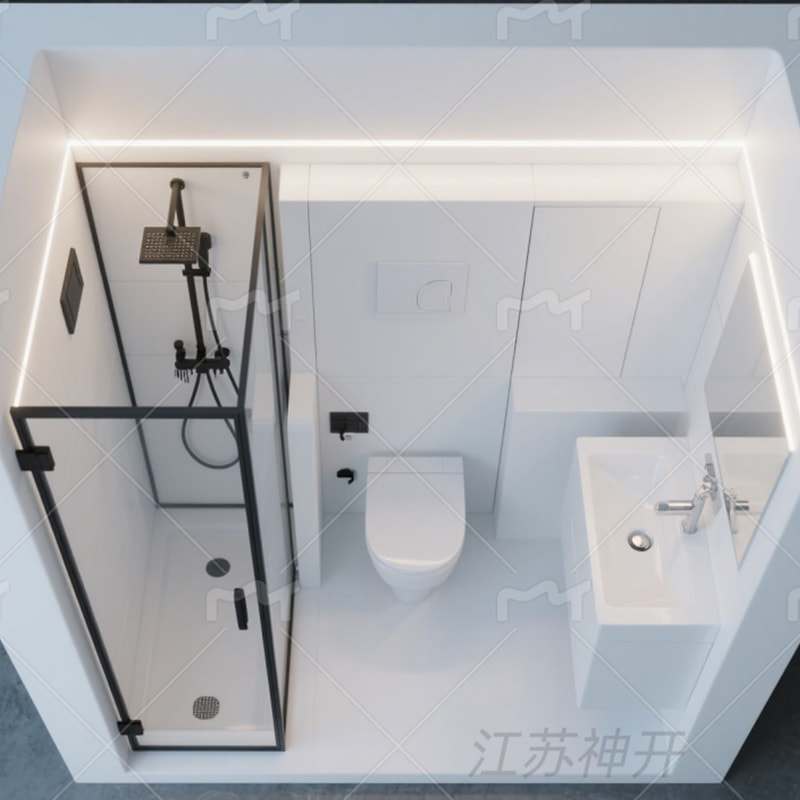
Marine shower type sanitary unit
The product's siding and ceiling panels are typically constr... -
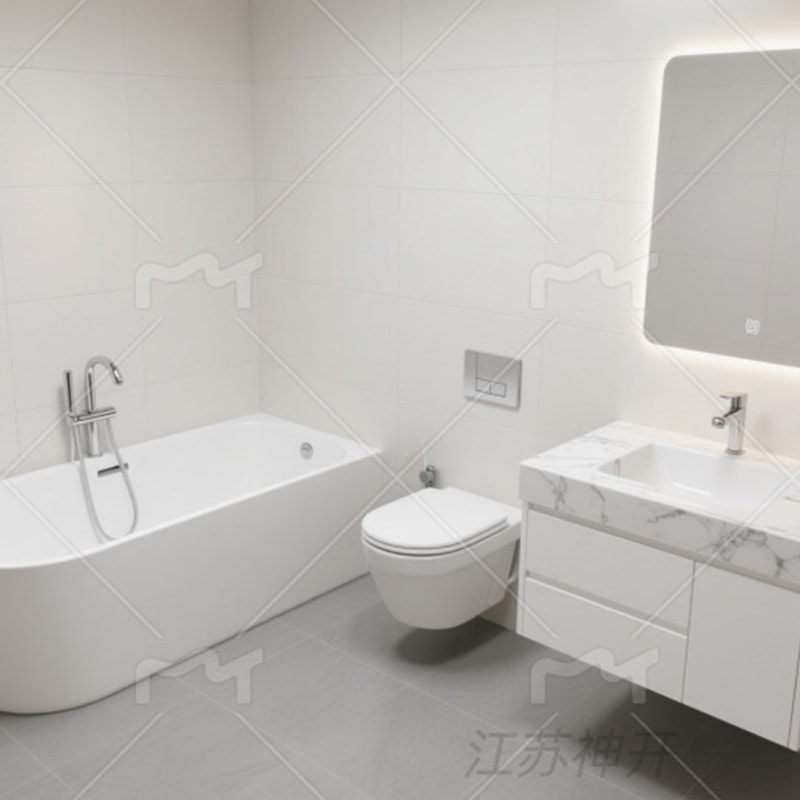
Marine bath type sanitary unit
The product's siding and ceiling panels are typically constr...
Marine sanitary units are core shipbuilding facilities that integrate sanitary functions, fire safety, and modular design. They are widely used in various types of ships and offshore engineering. They are primarily used in passenger and cruise ships, cargo and engineering vessels, and special vessels. The panels are constructed of PVC galvanized sheet metal and SUS304 or SUS316 materials, with thicknesses ranging from 0.5mm to 0.8mm. Panel colors are customizable. The core is filled with rock wool, with densities ranging from 120kg/m³ to 200kg/m³. Internal wave-proof handrails, soap dishes, towel racks, cup holders, and soap holders are all made of SUS304 and available in a variety of styles. Other internal components can also be designed and adjusted to meet customer needs. Clearance heights are typically ≥2050mm and door widths are typically ≥600mm, meeting SOLAS escape requirements. Internal sanitary fixtures, accessories, hardware, and doors are fully installed. External piping connections and electrical junction boxes are provided. Lifting lugs or brackets are installed at the top, and adjustment screws are installed at the bottom. The entire unit is prefabricated in the factory. On-site, it only requires hoisting and connection to water and power sources for immediate use. Installation is fast and leak-resistant. The product achieves a B15 fire rating and can withstand a 30-minute fire test, with a temperature rise of ≤225°C on the backside. Dimensions, width, and height can be designed and customized based on customer specifications and drawings. We ensure prompt delivery and prompt coordination.
About
Jiangsu Shenkai Marine Equipment Co.,Ltd.
News
-
Introduction to Marine Spiral Duct In the demanding environment of the marine industry, reliable air distribution and exhaust systems are crucial to ensuring safety, comfort, and operational efficiency. One key component that plays an essential role in these systems is the marine spiral duct. Designed specifically for ...
READ MORE -
Introduction to Marine Ropes What are Marine Ropes? Marine ropes, often referred to as lines in nautical terms, are a fundamental component of any boat or marine vessel. They are specially designed cords, cables, or strands twisted or braided together to provide strength, durability, and flexibility for a wide range of...
READ MORE -
Introduction In today’s globalized world, the demand for efficient and reliable ship refrigeration has become more critical than ever. As international trade continues to grow, the transportation of goods—especially perishable items like food, pharmaceuticals, and other temperature-sensitive products—requires specializ...
READ MORE
Marine Sanitary Units Industry knowledge
Are the marine sanitary units resistant to corrosion and humidity in marine environments?
Understanding Marine Sanitary Units
Marine sanitary units are specially designed modules that provide bathroom and hygiene facilities aboard ships and offshore platforms. They typically include toilets, showers, sinks, ventilation systems, and drainage solutions that are compact and built to withstand the challenging marine environment. Unlike conventional sanitary installations found on land, these units must perform reliably in environments where exposure to salt-laden air, constant humidity, and potential splashing from seawater are common. The durability of materials and components plays a critical role in ensuring that these units remain functional and safe over long operational periods.
The Challenge of Corrosion in Marine Environments
Corrosion is one of the most significant issues in marine environments, caused mainly by the high concentration of salt in seawater and the continuous presence of moisture in the air. For marine sanitary units, which include metallic components such as piping, frames, hinges, and fittings, corrosion can lead to structural degradation, leaks, and compromised hygiene. To counteract this, manufacturers select materials with corrosion-resistant properties and apply protective coatings. Stainless steel, coated aluminum, and advanced composites are commonly used because they offer greater resistance to corrosion compared to untreated metals.
Resistance to Humidity and Moisture
Humidity is a constant factor in marine environments, often reaching near-saturation levels. Marine sanitary units must be designed to function without developing mold, mildew, or moisture-related damage. This requires the use of waterproof materials for flooring, wall panels, and ceilings, along with specialized ventilation systems to regulate airflow. The interior surfaces are often sealed with resins, laminates, or waterproof coatings that prevent moisture penetration. Proper insulation and vapor barriers are also installed to reduce condensation within the structure, ensuring a more comfortable and hygienic space for crew members and passengers.
Material Choices for Marine Sanitary Units
Material selection is a primary determinant of how well marine sanitary units resist corrosion and humidity. Stainless steel of grades such as 316L is favored for its ability to withstand saltwater exposure. Fiberglass-reinforced plastic (FRP) is another material commonly used for panels, as it is non-corrosive, lightweight, and highly durable. Additionally, surfaces are often treated with antimicrobial finishes to minimize bacterial growth in damp conditions. The combination of metals, composites, and protective coatings allows marine sanitary units to operate effectively over long service lives with minimal maintenance needs.
Protective Coatings and Finishes
Protective coatings are a significant factor in enhancing the resistance of marine sanitary units. Epoxy coatings, polyurethane finishes, and powder coatings are applied to metal components to create a barrier against moisture and salt exposure. Non-metallic materials such as FRP panels often receive additional gel coat layers for improved durability and easier cleaning. These coatings not only protect against corrosion but also improve the sanitary conditions by providing smooth, non-porous surfaces that resist dirt accumulation and facilitate regular cleaning routines aboard vessels.
Ventilation Systems and Their Role
Ventilation plays a critical role in maintaining resistance against humidity in marine sanitary units. Without proper air circulation, condensation can form on surfaces, leading to mold growth and premature material degradation. Marine sanitary units are designed with integrated ventilation fans, ducts, and sometimes dehumidifiers to ensure constant air exchange. This system keeps humidity levels within acceptable ranges, prevents dampness, and enhances the comfort of the enclosed space. Proper ventilation design also ensures compliance with marine safety and hygiene standards.
Comparative Durability of Marine and Land-Based Units
When compared to land-based sanitary units, marine sanitary units demonstrate higher resistance to both corrosion and humidity. This difference arises from their use of specialized materials and designs tailored for marine use. While a conventional bathroom on land may employ ceramic tiles, untreated steel, or wood-based materials, these would not last long in a marine environment. The unique design elements of marine sanitary units make them more reliable for long voyages where frequent repair or replacement is not feasible.
Testing and Compliance Standards
Marine sanitary units are subjected to rigorous testing to ensure they can withstand harsh marine environments. Compliance with international maritime standards, such as those established by the International Maritime Organization (IMO) and classification societies like DNV or Lloyd’s Register, ensures that these units meet safety and durability requirements. Testing often includes exposure to salt spray, high humidity conditions, and corrosion simulations. These standards guarantee that the sanitary units deliver consistent performance under real-world maritime conditions.
Maintenance and Longevity
Proper maintenance extends the life of marine sanitary units and helps maintain their resistance to corrosion and humidity. Regular inspections, cleaning routines using non-corrosive agents, and reapplication of protective coatings are part of scheduled upkeep. With adequate maintenance, marine sanitary units can remain in service for many years without significant degradation. Preventive care ensures both safety and hygiene, which are critical in confined spaces such as ships where many people share the same facilities.
Environmental and Cost Considerations
While marine sanitary units are designed for durability, their resistance to corrosion and humidity also impacts operational costs and environmental sustainability. Durable units reduce the frequency of replacements, thereby lowering waste generation. Choosing recyclable materials, applying environmentally safe coatings, and implementing energy-efficient ventilation systems also contribute to making these units more sustainable. Operators benefit from reduced lifecycle costs as a result of fewer breakdowns and lower maintenance requirements.
Table: Comparison of Material Resistance
The following table illustrates how different materials commonly used in marine sanitary units perform in terms of corrosion and humidity resistance.
| Material | Corrosion Resistance | Humidity Resistance | Typical Application |
|---|---|---|---|
| Stainless Steel (316L) | High | High | Sinks, frames, fixtures |
| Fiberglass-Reinforced Plastic (FRP) | Very High | Very High | Wall panels, ceilings |
| Aluminum (Coated) | Moderate to High | High | Doors, panels |
| Ceramic Tiles | Low | Moderate | Not typically used in marine settings |
Role of Modular Construction
Modern marine sanitary units are often designed as prefabricated modular structures. This construction approach allows for better control of materials, quality, and sealing against moisture intrusion. Each unit is manufactured in a controlled environment before being installed aboard a vessel. Modular construction ensures uniformity in quality and makes it easier to integrate advanced anti-corrosion treatments and waterproofing measures during the manufacturing phase. This process reduces the risk of failures and ensures higher reliability once installed on ships.
Case Applications in Different Marine Settings
Marine sanitary units are used across various types of vessels, including cruise ships, cargo vessels, naval ships, and offshore platforms. In each case, the resistance to corrosion and humidity is critical, but the scale and design requirements may differ. Cruise ships prioritize passenger comfort and hygiene, requiring advanced ventilation and luxurious finishes. Cargo vessels may emphasize durability and functionality with minimal decorative features. Offshore platforms often require units that can be easily replaced or upgraded, while still maintaining long-term corrosion and humidity resistance.
Future Developments in Marine Sanitary Units
As technology advances, new materials and coatings are being developed to further improve the resistance of marine sanitary units to corrosion and humidity. Nanotechnology-based coatings, antimicrobial finishes, and lightweight composites are likely to play an increasing role in the future. Additionally, designs are being optimized to improve energy efficiency, water-saving capabilities, and modularity. These innovations will help marine sanitary units continue to meet the evolving requirements of the shipping industry while maintaining resistance to the harsh marine environment.
Key Factors in Resistance
The table below provides an overview of the main factors contributing to resistance against corrosion and humidity in marine sanitary units.
| Factor | Contribution to Resistance |
|---|---|
| Material Selection | Determines baseline durability against corrosion and moisture |
| Protective Coatings | Adds a barrier layer that enhances resistance |
| Ventilation Systems | Prevents condensation and reduces mold growth |
| Modular Construction | Ensures quality control and consistent waterproofing |
| Maintenance Practices | Extends service life and preserves resistance properties |
Copyright © Jiangsu Shenkai Marine Equipment Co.,Ltd. All Rights Reserved.
