

 en
en 
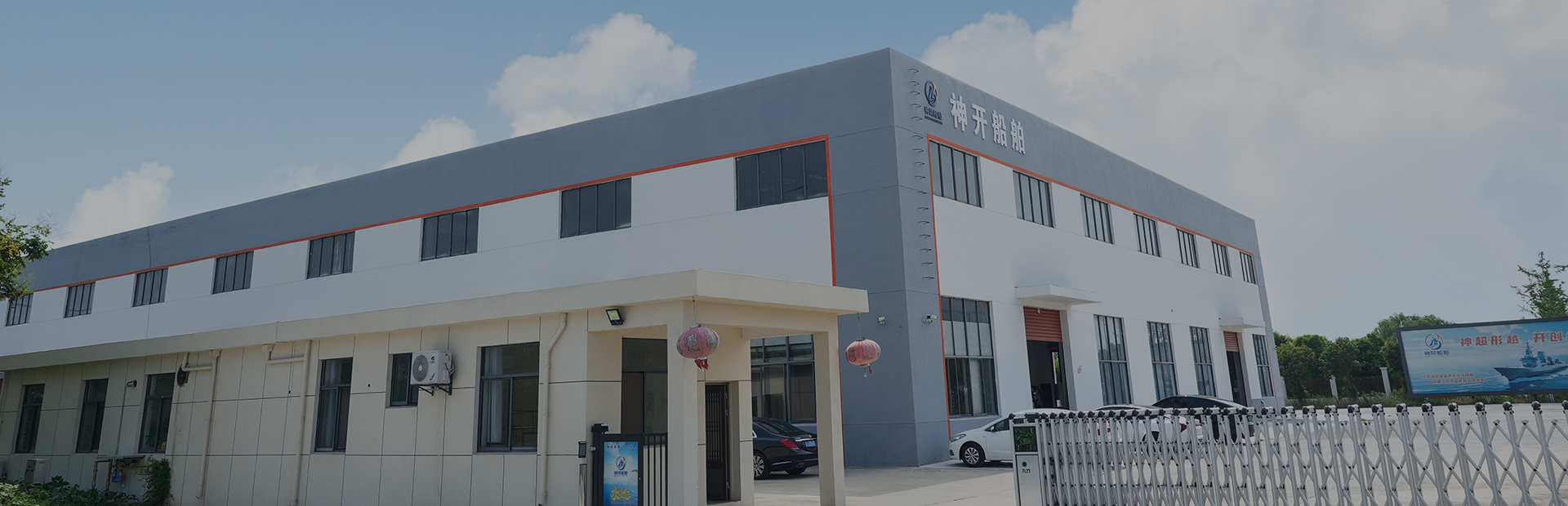
Jiangsu Shenkai Marine Equipment Co.,Ltd. China Marine Mooring Parts Suppliers and Marine Mooring Fittings Manufacturers, designs and manufactures marine equipment. Its current product offerings include marine prefabricated cold storage, marine ventilation duct systems, marine covers, marine composite panels, marine interior solutions, fire doors, sanitary unit systems, and other products and services. Founded in 2023, the company prioritizes technological innovation and continuous improvement as its fundamental strategy and core competitiveness. Through unremitting pursuit and exploration, it provides high-quality products and comprehensive services. Currently, the company boasts ample technical and production capacity, producing and servicing approximately 300 sets of marine cold storage panels annually. It also undertakes the production and service of ventilation duct systems and marine interior projects. The technical performance, structural features, and quality of our products fully meet the requirements and standards of marine and offshore engineering. They are widely used by major domestic shipyards and are on par with similar international products. We are currently exporting products in bulk to countries such as Japan, the Philippines, Singapore, South Korea, Vietnam, and India. The company prioritizes customer focus and strives to exceed customer expectations, providing comprehensive marine product support services. We are committed to collaborating closely with domestic and international enterprises, sharing resources, and creating shared success.

product
Marine Mooring Parts/Fittings Suppliers
-
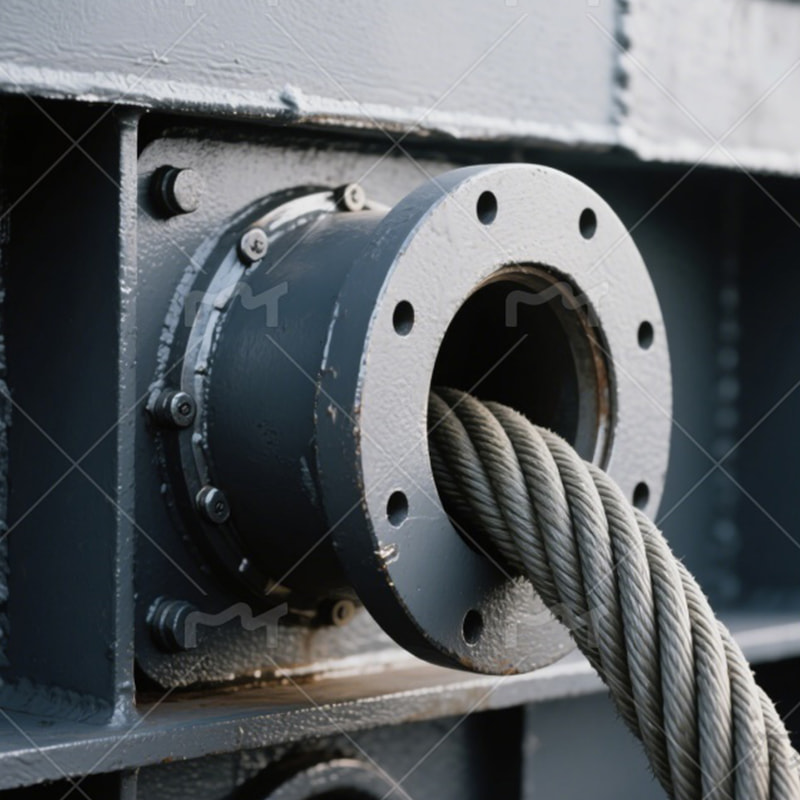
Marine fairlead
Marine fairlead is a closed-hole fairlead installed on the b... -
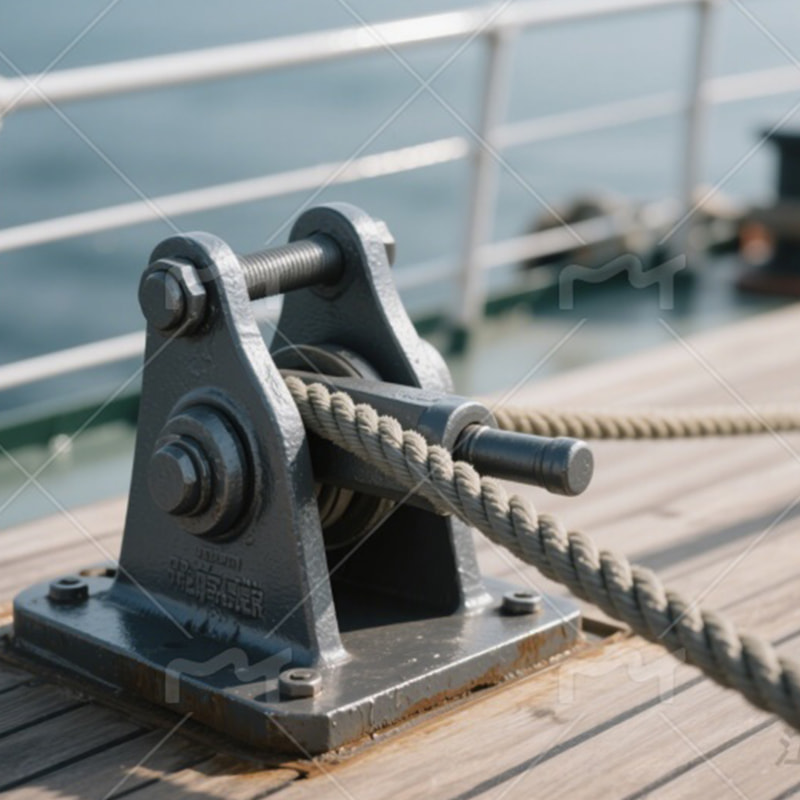
Marine chocks
Marine chocks are clamp-like fairleads mounted on the side o... -

Marine bollards
Marine bollards are fixed to docks or ship decks and are typ...
Marine mooring parts are critical devices used to secure the vessel's position and transmit mooring cable tension during docking and mooring operations. They serve as the "connecting link" between the ship and docks and port facilities. Their performance directly impacts the safety, stability, and efficiency of mooring operations, and they are widely used on various ships, ports, and docks. Marine mooring parts include bollards, fairleads, mooring winches, and other auxiliary components. The main materials are primarily high-strength steel, with some key components constructed from alloy steel to prevent plastic deformation or fracture under heavy loads. Structural Forming: Large components such as bollards are integrally forged or welded to ensure crack-free operation. Fairlead rollers undergo heat treatment (quenching and tempering) to enhance wear resistance. Product structural design can be tailored to customer requirements (vessel tonnage, mooring cable tension, and installation space).
About
Jiangsu Shenkai Marine Equipment Co.,Ltd.
News
-
Introduction to Marine Spiral Duct In the demanding environment of the marine industry, reliable air distribution and exhaust systems are crucial to ensuring safety, comfort, and operational efficiency. One key component that plays an essential role in these systems is the marine spiral duct. Designed specifically for ...
READ MORE -
Introduction to Marine Ropes What are Marine Ropes? Marine ropes, often referred to as lines in nautical terms, are a fundamental component of any boat or marine vessel. They are specially designed cords, cables, or strands twisted or braided together to provide strength, durability, and flexibility for a wide range of...
READ MORE -
Introduction In today’s globalized world, the demand for efficient and reliable ship refrigeration has become more critical than ever. As international trade continues to grow, the transportation of goods—especially perishable items like food, pharmaceuticals, and other temperature-sensitive products—requires specializ...
READ MORE
Marine Mooring Parts Industry knowledge
Do the marine mooring parts/fittings have overload protection or safety factor design?
Overview of Marine Mooring Parts and Fittings
Marine mooring parts and fittings are critical components used to secure vessels to docks, piers, or other mooring points. These include bollards, cleats, chocks, fairleads, and mooring hooks. The reliability of these components is essential to ensure vessel safety, prevent drifting, and protect both the ship and surrounding infrastructure. Given the dynamic loads and harsh marine conditions, the design of these fittings often incorporates considerations for overload protection and safety factors to mitigate risks associated with extreme conditions.
Principles of Overload Protection in Mooring Fittings
Overload protection in marine mooring fittings refers to design features that prevent structural failure when subjected to forces exceeding the intended operational limits. Such forces can result from sudden surges, high winds, strong currents, or tidal changes. Fittings are often engineered with a margin of safety that ensures they can handle loads beyond the typical operational range without permanent deformation or failure. This approach reduces the likelihood of accidents and helps maintain secure mooring under adverse conditions.
Safety Factor Design and Its Importance
The safety factor, sometimes referred to as a factor of safety (FoS), is a critical aspect of marine mooring fitting design. It represents the ratio between the maximum load a component can withstand and the maximum expected operational load. A higher safety factor provides greater assurance that the equipment will remain intact under unexpected stresses. For instance, a bollard designed with a safety factor of 5 can theoretically support five times the load anticipated under normal mooring conditions, allowing for variability in environmental forces and material inconsistencies.
Material Selection and Its Impact on Safety
The choice of material significantly influences the overload protection and safety factor of mooring fittings. Common materials include carbon steel, stainless steel, and high-strength alloys. Each material exhibits different tensile strength, corrosion resistance, and fatigue properties. Stainless steel, for example, offers both durability and corrosion resistance, reducing maintenance frequency and extending service life. High-strength carbon steel provides the ability to withstand substantial loads, but may require protective coatings to prevent degradation in saltwater environments. Material selection is therefore intertwined with the design of safety factors and overload capabilities.
Load Distribution and Structural Design
Effective load distribution is a fundamental design strategy for marine mooring parts. Components such as fairleads and chocks are shaped to guide mooring lines and distribute forces evenly across attachment points. This reduces localized stress and helps prevent overloading of individual components. Similarly, bollards and cleats are designed with geometric considerations that spread tensile forces over larger areas, enhancing structural stability and maintaining the integrity of the mooring system even under dynamic conditions.
Dynamic Load Considerations
Mooring fittings are frequently exposed to dynamic loads caused by vessel movement, waves, and wind. These loads differ from static forces in that they fluctuate and can produce sudden peaks. Design strategies for overload protection often incorporate analysis of these dynamic forces to ensure that fittings do not fail under rapid load changes. Materials are selected for both strength and elasticity to absorb and dissipate energy, while safety factors account for unpredictable peak loads that exceed normal expectations.
Inspection and Maintenance Practices
Even fittings designed with overload protection and safety factors require regular inspection and maintenance to remain reliable. Daily or periodic checks focus on identifying wear, corrosion, cracks, or deformation. Components such as hooks, shackles, and cleats are visually examined and subjected to functional tests to ensure they operate correctly under tension. Maintenance practices may include cleaning, lubrication, tightening, and replacement of worn parts. Such proactive care ensures that the designed safety margins remain effective throughout the service life of the equipment.
Standards and Regulatory Requirements
Marine mooring fittings are designed and tested according to international standards, such as ISO and classification society guidelines. These standards often specify minimum strength requirements, load testing procedures, and safety factors to ensure reliability under normal and extreme conditions. Compliance with these standards provides assurance that the fittings possess adequate overload protection and can handle the expected operational stresses. Adhering to regulations also minimizes liability risks and ensures the safety of crew and dockside personnel.
Testing Methods for Overload Protection
Testing is an essential component of verifying overload protection in mooring fittings. Static load tests simulate the maximum expected load to ensure that the component can withstand it without failure. Dynamic tests evaluate how the fitting behaves under variable loads, including sudden surges or oscillating forces. Non-destructive testing methods, such as ultrasonic or magnetic particle inspections, detect internal flaws that could compromise strength. These testing procedures confirm that the safety factor and design intentions are realized in practical applications.
Design Innovations and Safety Enhancements
Modern marine mooring fittings often incorporate innovative designs to enhance safety. Examples include energy-absorbing features, modular components that can be replaced individually, and coatings that minimize corrosion-related weakening. Some designs include visual indicators to signal excessive load or wear, alerting crew to potential overload situations. These enhancements extend the operational reliability of mooring fittings and provide additional layers of safety beyond the fundamental structural design.
Comparison Across Different Mooring Components
Different mooring components exhibit varying levels of overload protection. Below is a comparison of commonly used fittings:
| Component | Safety Feature | Typical Safety Factor |
|---|---|---|
| Bollards | High tensile strength, load-distributing base | 4–6 |
| Cleats | Reinforced design, rounded edges for load distribution | 3–5 |
| Fairleads | Guides lines to reduce localized stress | 2–4 |
| Mooring Hooks | Latch mechanism to prevent line release under excess load | 3–5 |
| Shackles | Forged high-strength steel with fatigue resistance | 4–6 |
Environmental Impact on Safety Design
Marine environments impose additional challenges such as corrosion, biofouling, and temperature variations. Safety factor design must account for long-term material degradation due to exposure. Components intended for saltwater environments are often over-engineered to counteract these effects, ensuring that even after years of exposure, the fittings maintain sufficient strength to handle overload scenarios. Protective coatings and regular maintenance further preserve the integrity of the safety design.
Operational Considerations for Crew
Even with overload protection and safety factors, the correct operation of mooring equipment is essential. Crew members are trained to avoid sudden jerks, excessive tightening, or improper line angles, which can introduce localized stress beyond what the fittings are designed to handle. Awareness of environmental conditions, such as high winds or tidal surges, and adherence to operational guidelines enhance the effectiveness of the safety designs embedded in mooring fittings.
Long-Term Reliability and Risk Mitigation
The integration of safety factor design and overload protection contributes to the long-term reliability of marine mooring parts. By engineering components to withstand higher-than-expected loads and dynamic forces, the likelihood of catastrophic failure is reduced. This design philosophy, combined with routine inspection and maintenance, ensures that mooring systems can consistently perform under varying operational conditions. Risk mitigation strategies, such as redundancy in mooring lines or using multiple attachment points, further enhance the resilience of the system.
Cost-Benefit Considerations
Designing marine mooring parts with overload protection and safety factors may increase initial manufacturing costs due to higher material usage and more complex fabrication techniques. However, these upfront investments are offset by reduced risk of failure, lower repair costs, and improved operational safety. When considering the total cost of ownership, safety-oriented designs often provide better value over the life of the equipment compared to minimally designed components that may require frequent replacement or emergency repairs.
Integration with Modern Technologies
Advances in technology allow for improved monitoring and assessment of mooring fittings. Load sensors, strain gauges, and connected monitoring systems can provide real-time feedback on the forces acting on mooring components. Such data enables proactive management of overload risks and ensures that safety factors are not exceeded in practice. Integration of technology does not replace robust design principles but enhances operational awareness and predictive maintenance capabilities.
Conclusion on Safety and Overload Protection
Marine mooring parts and fittings are engineered with careful consideration of overload protection and safety factor design to withstand the challenging conditions of marine operations. Through material selection, structural design, dynamic load analysis, regular maintenance, and compliance with standards, these components maintain reliability and safety over long-term use. While environmental exposure and operational practices influence performance, the combination of thoughtful engineering and diligent maintenance ensures that marine mooring systems remain secure, functional, and resilient under a range of conditions.
Copyright © Jiangsu Shenkai Marine Equipment Co.,Ltd. All Rights Reserved.
