

 en
en 
Jiangsu Shenkai Marine Equipment Co.,Ltd. China Embarkation Rope Ladder Suppliers and Marine Rope Ladder Manufacturers, designs and manufactures marine equipment. Its current product offerings include marine prefabricated cold storage, marine ventilation duct systems, marine covers, marine composite panels, marine interior solutions, fire doors, sanitary unit systems, and other products and services. Founded in 2023, the company prioritizes technological innovation and continuous improvement as its fundamental strategy and core competitiveness. Through unremitting pursuit and exploration, it provides high-quality products and comprehensive services. Currently, the company boasts ample technical and production capacity, producing and servicing approximately 300 sets of marine cold storage panels annually. It also undertakes the production and service of ventilation duct systems and marine interior projects. The technical performance, structural features, and quality of our products fully meet the requirements and standards of marine and offshore engineering. They are widely used by major domestic shipyards and are on par with similar international products. We are currently exporting products in bulk to countries such as Japan, the Philippines, Singapore, South Korea, Vietnam, and India. The company prioritizes customer focus and strives to exceed customer expectations, providing comprehensive marine product support services. We are committed to collaborating closely with domestic and international enterprises, sharing resources, and creating shared success.

product
Wooden Embarkation/Marine Rope Ladder Manufacturers
-
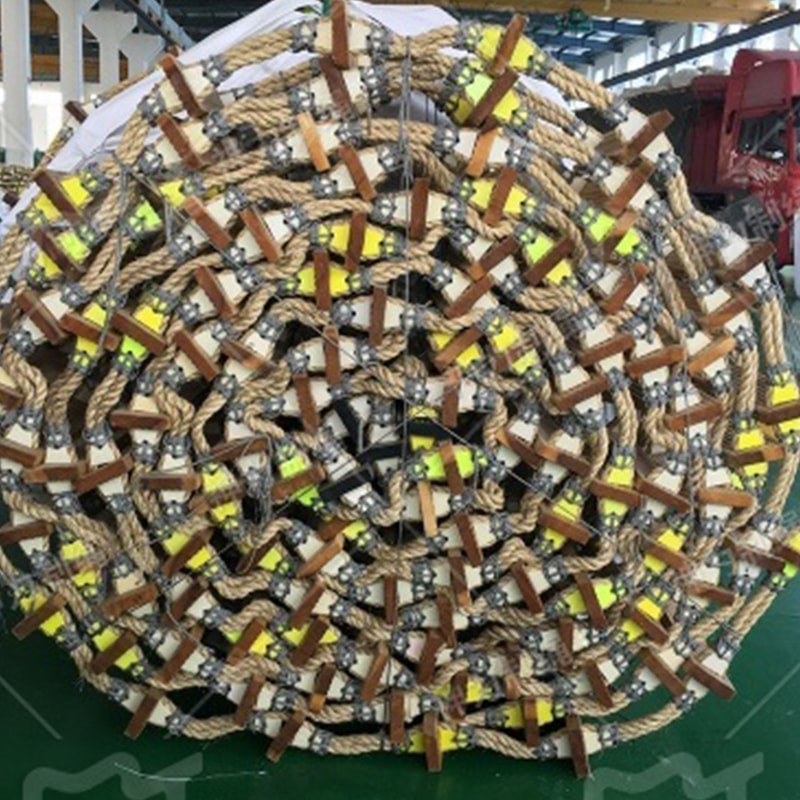
Wooden boarding ladder for ships
The rungs are made of hardwood (such as teak or oak), which ... -
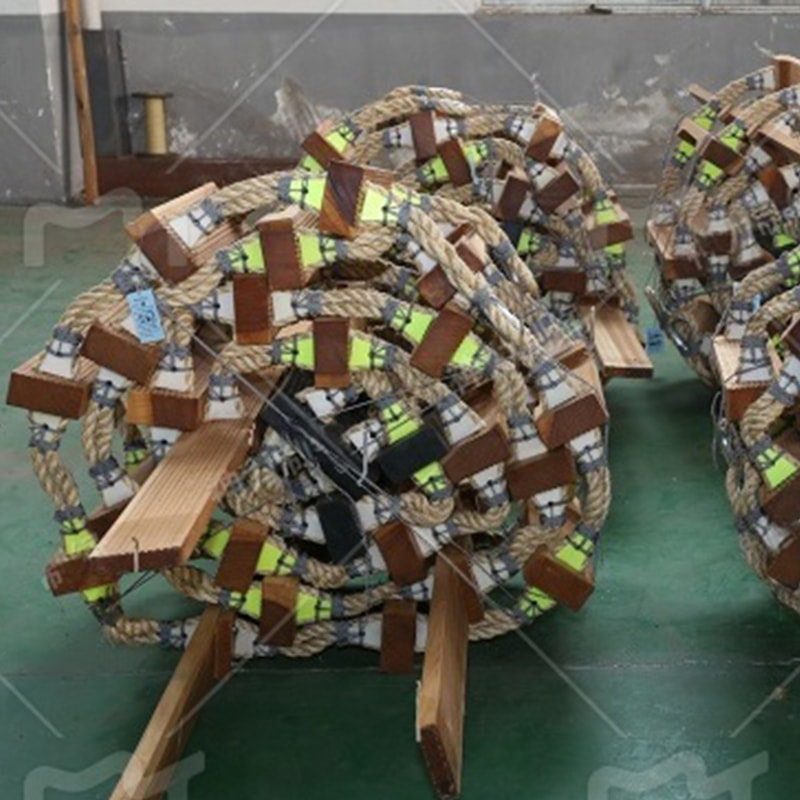
Pilot rope ladder
Select hardwoods without scabs, such as locust, oak, elm, be... -
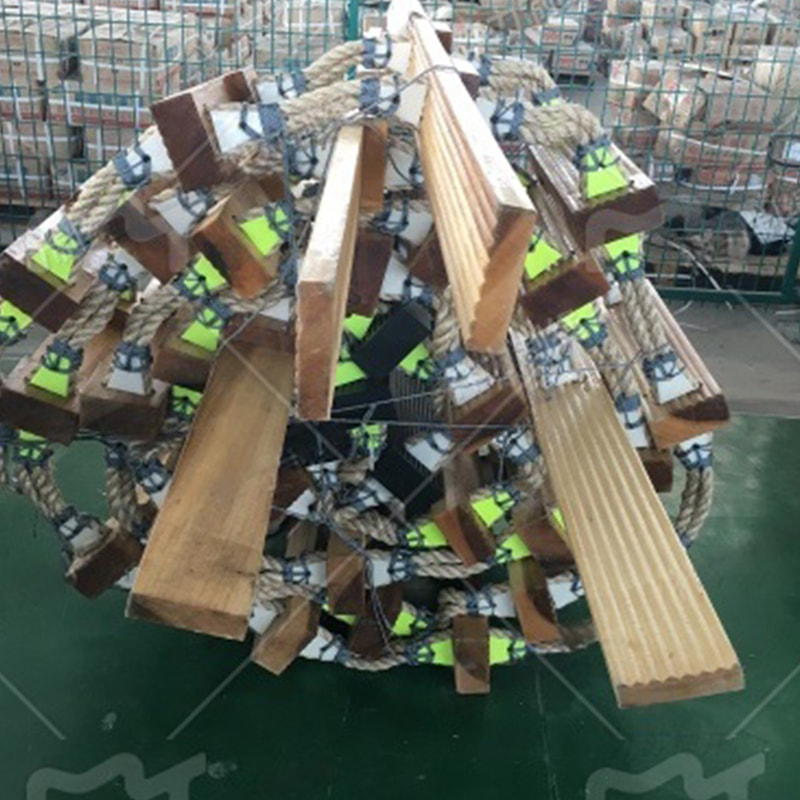
Marine pilot ladder
The wood used should be hardwood without carbuncle, such as ...
The Rope Ladder series is a critical piece of equipment for ship emergency escape, boarding and disembarking, and maritime rescue operations. Made of load-bearing ropes and rungs connected through a specialized process, it combines flexibility and reliability, playing an irreplaceable role in the maritime sector. Applications include emergency escape and safety assurance, short-distance connections, maintenance work, maritime rescue and salvage, and specialized vessel operations. The Rope Ladder series offers strong spatial adaptability, excellent environmental tolerance, high operational convenience, and outstanding cost-effectiveness. Its double-rope load-bearing structure provides a high safety factor. The production process includes rope pretreatment, rung processing, assembly and fixturing, performance testing, and certification marking. Products can be customized based on vessel type (e.g., cargo ship, passenger ship, yacht) and usage scenario, and undergo maintenance and inspection.
About
Jiangsu Shenkai Marine Equipment Co.,Ltd.
News
-
Introduction to Marine Spiral Duct In the demanding environment of the marine industry, reliable air distribution and exhaust systems are crucial to ensuring safety, comfort, and operational efficiency. One key component that plays an essential role in these systems is the marine spiral duct. Designed specifically for ...
READ MORE -
Introduction to Marine Ropes What are Marine Ropes? Marine ropes, often referred to as lines in nautical terms, are a fundamental component of any boat or marine vessel. They are specially designed cords, cables, or strands twisted or braided together to provide strength, durability, and flexibility for a wide range of...
READ MORE -
Introduction In today’s globalized world, the demand for efficient and reliable ship refrigeration has become more critical than ever. As international trade continues to grow, the transportation of goods—especially perishable items like food, pharmaceuticals, and other temperature-sensitive products—requires specializ...
READ MORE
Rope Ladder Series Industry knowledge
Before use, the embarkation/marine rope ladder should be regularly inspected for wear, broken strands, or deterioration.
Importance of Inspecting Marine Rope Ladders Before Use
The embarkation and marine rope ladder is an essential piece of safety equipment used on ships and offshore structures. It provides access for personnel boarding from smaller boats or emergency evacuation when traditional gangways are unavailable. Given its role in safety, any failure of the rope ladder could have severe consequences. Regular inspection for wear, broken strands, and deterioration ensures that the ladder can support its intended load and remain dependable in demanding marine environments. Inspection routines must be thorough, consistent, and well-documented to align with international maritime safety standards.
Common Risks Associated with Rope Ladder Deterioration
Marine rope ladders are exposed to harsh conditions such as saltwater, UV radiation, fluctuating temperatures, and mechanical stress. These factors accelerate wear and can lead to hidden weaknesses. Risks include sudden strand breakage, reduced weight-bearing capacity, and slippage of steps. If unnoticed, such deterioration compromises the ladder’s structural integrity. Beyond safety, damaged ladders may also result in non-compliance with maritime regulations, leading to operational delays or penalties during inspections. Identifying risks early through systematic inspection reduces accidents and ensures compliance with safety codes.
Visual Inspection Practices
Visual inspection is the first and most straightforward method of evaluating a rope ladder’s condition. Inspectors should check for frayed fibers, broken strands, discoloration, and any irregularity in the rope’s texture. Wooden or synthetic steps should also be examined for cracks, warping, or detachment from the side ropes. Visual signs often provide the first indication of damage, though deeper degradation may require tactile or mechanical testing. Inspections should be carried out in well-lit conditions and documented with photographs when possible to monitor changes over time.
Tactile Examination Techniques
In addition to visual inspection, tactile checks help identify stiffness, soft spots, or changes in rope texture that may not be visible. Inspectors run their hands along the rope, feeling for inconsistencies such as hardened or brittle areas that suggest chemical exposure or weakened fibers. Flexibility testing, where the rope is gently bent, can reveal internal damage or loss of elasticity. These tactile examinations complement visual checks, offering a fuller picture of the ladder’s health and identifying problems before they escalate.
Inspection Frequency Guidelines
Inspection frequency depends on the vessel’s operations, environment, and usage intensity. For ships frequently using embarkation ladders in harsh seas, daily or weekly inspections are recommended. In less demanding conditions, inspections may be performed monthly. Regardless of frequency, ladders should always be inspected before use in emergencies or during drills. Maritime regulations and company safety policies often dictate minimum inspection intervals, which must be strictly followed to maintain operational readiness.
Documentation and Record-Keeping
Proper documentation of inspections is essential for traceability and compliance. Inspection logs should include date, inspector name, observed conditions, and any actions taken. Maintaining consistent records allows operators to track degradation trends and anticipate replacement needs. Digital tools such as inspection software can help streamline documentation and ensure that reports are easily accessible during audits or port inspections. Accurate record-keeping also provides evidence of due diligence in case of accidents or disputes.
Identifying Wear in Ropes
Wear in rope ladders manifests in various ways, including surface fuzziness, flattening of strands, and loss of tension. Saltwater exposure accelerates fiber breakdown, while constant loading and unloading increase mechanical wear. Overloaded ladders may show early strand rupture, which must be addressed immediately. Inspectors should pay close attention to the areas where ropes connect to steps, as these junctions are subject to concentrated stress and friction. Detecting wear at an early stage helps prevent sudden failures during use.
Broken Strands and Their Implications
The presence of broken strands is a clear indication of weakening structural integrity. Even a small number of broken strands reduces the rope’s load-bearing capacity. The severity of damage depends on the number and location of broken strands. If strands are broken near step junctions, the risk of failure increases significantly. A guideline commonly followed in the marine industry is that if broken strands exceed a set threshold—often 10% of the rope cross-section—the ladder should be immediately removed from service and replaced.
Detecting Environmental Deterioration
Environmental deterioration includes UV damage, salt crystallization, chemical exposure, and biological attack such as mold or mildew growth. UV exposure causes rope fibers to become brittle and discolored. Salt crystallization within fibers accelerates abrasion and reduces flexibility. Chemicals from cleaning agents or accidental spills can weaken fibers over time. Biological deterioration is especially relevant in warm, humid marine environments where moisture retention encourages microbial activity. Regular cleaning and controlled storage help mitigate environmental damage, but consistent inspection remains essential.
Step Condition Evaluation
The steps of a marine rope ladder, whether made of wood, aluminum, or composite materials, must be inspected alongside the ropes. Wooden steps can crack, split, or warp under moisture exposure. Aluminum steps may corrode or bend under heavy loads, while composite steps may develop surface degradation. Inspectors should also verify that steps are securely fastened to the ropes, with no signs of loosening or slippage. Missing or damaged steps compromise usability and safety, necessitating immediate repair or replacement.
Testing Load-Bearing Capacity
Load testing is another important part of inspection, particularly for ladders used in critical safety operations. Controlled weight is applied to the ladder to verify its ability to support required loads without deformation or slippage. These tests should be performed periodically under supervision and documented as part of compliance. While load testing cannot replace daily inspections, it confirms the overall strength of the ladder and helps identify weaknesses not visible during visual or tactile examinations.
Inspection Tools and Equipment
While most inspections rely on human observation, specialized tools can enhance accuracy. Tension meters measure rope tightness, moisture meters detect hidden dampness, and magnifying lenses allow closer inspection of fibers. For metal fittings, ultrasonic testing may identify internal corrosion or cracks. In modern vessels, drones or cameras may also be used to inspect ladders in hard-to-reach storage areas. These tools provide additional assurance that the inspection is thorough and reliable.
Inspection Checklists
Structured inspection checklists ensure that no aspect of the ladder is overlooked. A checklist may include rope condition, step condition, attachment points, fittings, storage environment, and record accuracy. Standardizing inspection practices across a fleet ensures consistency and reduces human error. A sample inspection checklist is presented below:
| Inspection Point | Condition to Check | Action Required |
|---|---|---|
| Rope Surface | Fraying, fuzziness, discoloration | Replace if severe |
| Strands | Broken or loosened fibers | Remove from service if over threshold |
| Steps | Cracks, bends, detachment | Repair or replace |
| Fittings | Corrosion, looseness | Tighten or replace |
| Storage Area | Moisture, contamination | Improve storage conditions |
International Maritime Standards
Marine rope ladder inspections are guided by international standards such as those issued by the International Maritime Organization (IMO) and SOLAS (Safety of Life at Sea) conventions. These regulations specify design, construction, and inspection requirements for embarkation ladders. Compliance ensures that ladders meet minimum strength standards and that inspection protocols are followed. Ship operators are legally obliged to maintain ladders in compliance with these standards, with port authorities and classification societies verifying adherence during inspections.
Storage and Maintenance Practices
Proper storage and maintenance complement inspection efforts. Ladders should be stored in dry, ventilated areas away from direct sunlight and corrosive substances. After use, ladders should be rinsed with fresh water to remove salt and dried before storage. Periodic cleaning prevents salt crystallization and biological growth. Applying protective coatings to metal fittings also enhances durability. These practices extend the lifespan of the ladder and reduce the rate of deterioration observed during inspections.
Training of Inspectors
Personnel conducting inspections must be adequately trained in recognizing rope and step deterioration. Training programs should include both theoretical knowledge of materials and hands-on inspection practice. Inspectors should also be familiar with international maritime standards and company policies. Regular refresher courses ensure that skills remain up-to-date with evolving safety practices. Well-trained inspectors are more likely to detect early-stage deterioration, preventing failures before they occur.
Consequences of Neglecting Inspections
Failure to inspect rope ladders regularly can have serious consequences. Accidents caused by ladder failure may result in injury, loss of life, and damage to company reputation. Legal and financial repercussions include fines, detentions, and increased insurance costs. Operationally, a damaged ladder can delay embarkation or evacuation procedures, creating safety and efficiency challenges. The relatively low effort of regular inspection compared to the potential consequences makes preventive inspection practices a critical priority in maritime operations.
Replacement Criteria for Marine Rope Ladders
Even with regular inspection and maintenance, all rope ladders have a finite service life. Replacement criteria include exceeding the recommended service period, excessive broken strands, damaged steps, or severe environmental degradation. Manufacturers often provide guidelines on expected service life under normal conditions. Ship operators must consider these guidelines alongside inspection results to determine when replacement is necessary. Proactive replacement, rather than waiting for failure, ensures continuous safety compliance.
Common Signs of Deterioration and Actions
The table below provides a quick reference for identifying deterioration signs and the recommended response:
| Sign of Deterioration | Possible Cause | Action |
|---|---|---|
| Frayed fibers | Mechanical abrasion | Monitor or replace if widespread |
| Broken strands | Overloading, stress | Replace ladder |
| Brittleness | UV exposure, salt buildup | Remove from service |
| Step cracks | Moisture or impact | Replace affected steps |
| Loose fittings | Wear or corrosion | Tighten or replace |
Integration of Technology in Inspections
Technology is increasingly being used to improve inspection accuracy. Digital inspection records allow for easier trend tracking. Wear sensors embedded in ropes can provide real-time condition monitoring. Advanced imaging tools like infrared cameras help detect hidden moisture within fibers. These innovations complement traditional methods, offering more precise and efficient inspections. As digitalization spreads in maritime operations, technology-supported ladder inspections are likely to become more common.
Copyright © Jiangsu Shenkai Marine Equipment Co.,Ltd. All Rights Reserved.
