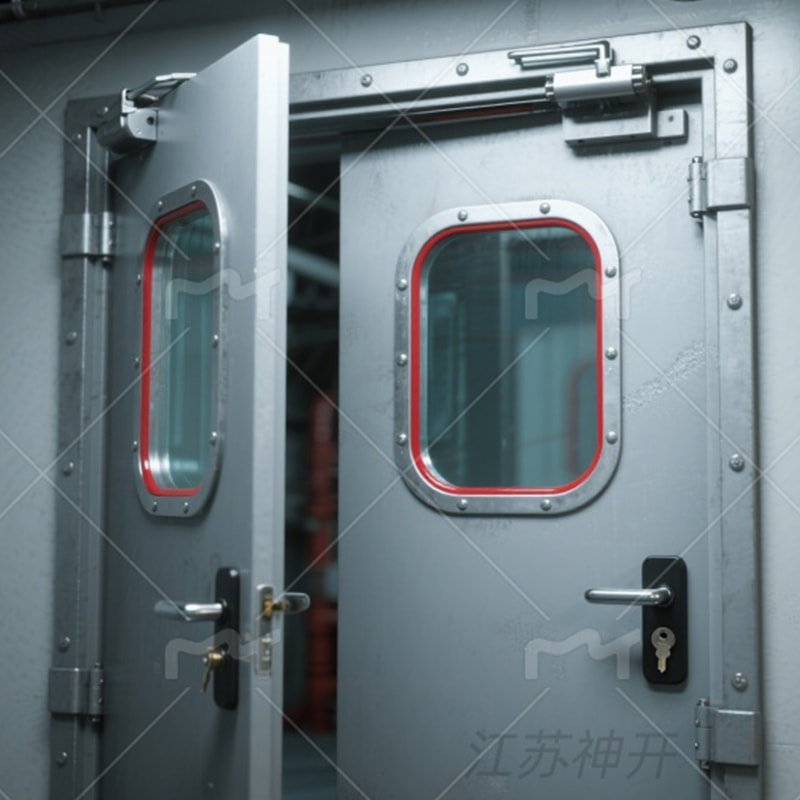

The maritime industry, historically one of the largest contributors to global pollution, is undergoing a dramatic shift towards more sustainable practices. Rising environmental concerns, coupled with increasing regulatory pressure and consumer demand for greener alternatives, are driving the change. Marine equipment manufacturers are at the forefront of this transformation, developing innovative solutions that not only meet stringent environmental standards but also promote sustainable operations across the global shipping industry.
From reducing carbon emissions to developing energy-efficient technologies and utilizing eco-friendly materials, the response of marine equipment manufacturers to the demand for eco-conscious solutions is multifaceted and rapidly evolving. This article explores the various ways in which marine equipment manufacturers are adapting to these trends, shaping the future of eco-friendly shipping.
The push for more sustainable marine operations has been driven by a mix of international environmental regulations, consumer pressure, and corporate responsibility. The International Maritime Organization (IMO), the regulatory body for global shipping, has set ambitious targets to reduce the carbon intensity of shipping by 40% by 2030, with a long-term goal of decarbonizing the industry by 2050.
This regulatory environment has forced marine equipment manufacturers to innovate rapidly. The increasing scrutiny on emissions from vessels, including SOx (sulfur oxide), NOx (nitrogen oxide), and CO2 emissions, has led manufacturers to focus on creating technology that can significantly reduce harmful pollutants. From scrubbers that clean exhaust gases to alternative fuel systems and hybrid propulsion technologies, marine equipment manufacturers are playing a pivotal role in enabling vessels to comply with IMO's environmental standards.
Examples of eco-conscious innovations include the development of low-sulfur fuel systems, exhaust gas cleaning systems (EGCS), and green ship designs that integrate energy-efficient equipment and systems from the ground up.
One of the most significant shifts in the marine equipment sector has been the transition toward alternative fuels that are more environmentally friendly than traditional marine fuels. Liquefied natural gas (LNG), biofuels, and hydrogen are emerging as sustainable fuel alternatives that reduce emissions of CO2, NOx, and sulfur compounds.
Marine equipment manufacturers have responded by designing and developing engines, fuel systems, and storage solutions that are compatible with these alternative fuels. Companies are also focusing on the infrastructure required for bunkering, storage, and fueling of LNG and biofuels to enable smoother transitions to cleaner energy sources.
Key developments include:
By embracing these alternative fuels, marine equipment manufacturers are helping the shipping industry reduce its dependence on conventional fossil fuels, thus significantly lowering the sector's overall carbon emissions.
Hybrid and fully electric propulsion systems are becoming more common, particularly for short-sea shipping, ferries, and smaller vessels. Electric-powered ships, which rely on battery energy storage and charging systems, offer a zero-emission alternative for local and regional shipping routes.
Hybrid systems, combining conventional fuel engines with electric battery propulsion, allow vessels to use electric power in low-emission zones or when at port, and switch to traditional fuel for longer trips. These hybrid solutions significantly reduce fuel consumption and emissions, especially when ships are idling at port or navigating in eco-sensitive areas.
Leading marine equipment manufacturers are actively developing electric propulsion systems, battery storage solutions, and charging infrastructure to support this shift. Battery technology has improved dramatically over the past few years, and manufacturers are now able to offer systems that can power vessels for longer distances without the need for fossil fuels.
Energy efficiency is at the core of the industry's move toward sustainability, and marine equipment manufacturers are increasingly focusing on integrating smart technologies into ship designs. These technologies are designed to optimize energy usage, reduce fuel consumption, and improve overall operational efficiency.
Key innovations include:
By integrating these smart technologies, marine equipment manufacturers are helping vessel operators save on fuel costs, reduce emissions, and improve overall sustainability.
Another area of innovation is in the development of closed-loop systems that minimize waste and increase the recyclability of materials used in the construction and operation of vessels. Manufacturers are also focusing on utilizing sustainable materials in the production of marine equipment and shipbuilding.
For example, waste heat recovery systems capture excess energy from engines and systems to be used elsewhere on the vessel, such as in heating or powering auxiliary systems. This reduces energy consumption and cuts down on overall emissions.
Marine equipment manufacturers are also focusing on sustainable shipbuilding materials such as composite materials, recycled steel, and eco-friendly coatings that reduce environmental impact and improve the recyclability of ships at the end of their operational life.
The sustainability journey doesn’t stop with the vessel itself. Marine equipment manufacturers are also working to optimize port operations to reduce the environmental impact of loading and unloading activities. This includes the development of automated docking systems, electric shore power solutions, and intelligent port management systems.
Shore power systems, which allow ships to plug into the electric grid while docked rather than running their engines, are reducing emissions and improving air quality in port areas. Automated docking technologies also improve the efficiency of loading and unloading, reducing the time vessels spend idling at port, further decreasing fuel consumption and emissions.
The push for eco-conscious solutions is not just a matter for individual manufacturers. Marine equipment makers are increasingly collaborating with other stakeholders, including shipping companies, port operators, environmental organizations, and regulatory bodies, to establish industry-wide sustainability standards. This collaboration is essential for ensuring that all aspects of the maritime industry—from vessel construction to operations and waste management—are aligned in meeting environmental goals.
By working together, marine equipment manufacturers can help create a global standard for sustainable shipping, which will ensure that efforts to reduce emissions, improve efficiency, and minimize waste are implemented across the entire industry.
As the industry continues to innovate, some exciting technologies are still in the early stages but hold significant promise for the future. Carbon capture systems, which capture and store carbon emissions from ship exhausts, could play a critical role in reducing the industry's overall carbon footprint.
Additionally, artificial intelligence (AI) and machine learning are increasingly being incorporated into vessel management systems to optimize energy usage, predict maintenance needs, and reduce fuel consumption. These technologies will allow operators to run vessels in the most efficient and environmentally-friendly way possible, ultimately driving further sustainability in the sector.
Introduction to Marine Spiral Duct In the demanding environment of the marine industry, reliable air distribution and exhaust systems are crucial to e...
READ MOREIntroduction to Marine Ropes What are Marine Ropes? Marine ropes, often referred to as lines in nautical terms, are a fundamental component of any boa...
READ MOREIntroduction In today’s globalized world, the demand for efficient and reliable ship refrigeration has become more critical than ever. As internationa...
READ MORE1. Introduction to Marine Cold Storage Panels and Their Role in Seafood Preservation Marine cold storage panels are an essential component in ensuring...
READ MORE+86 18036286112
No. 11, Jinli East Road, Hengji Town, Jianhu County, Yancheng City, Jiangsu Province, China
Copyright © Jiangsu Shenkai Marine Equipment Co.,Ltd. All Rights Reserved.

Custom Marine Equipment Manufacturers