


 en
en  English
 한국어
한국어 中文简体
中文简体 Deutsch
 日本語
日本語 Español
Home / News / Industry News / What are the benefits of using marine cold storage panels for seafood preservation?
Industry News
Oct 21,2025
What are the benefits of using marine cold storage panels for seafood preservation?
1. Introduction to Marine Cold Storage Panels and Their Role in Seafood Preservation
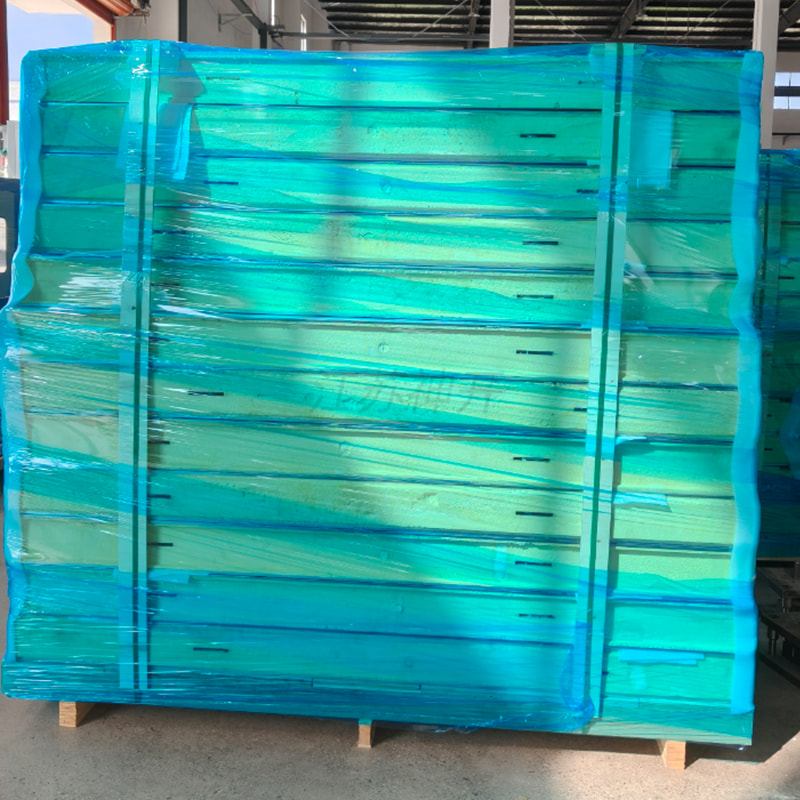
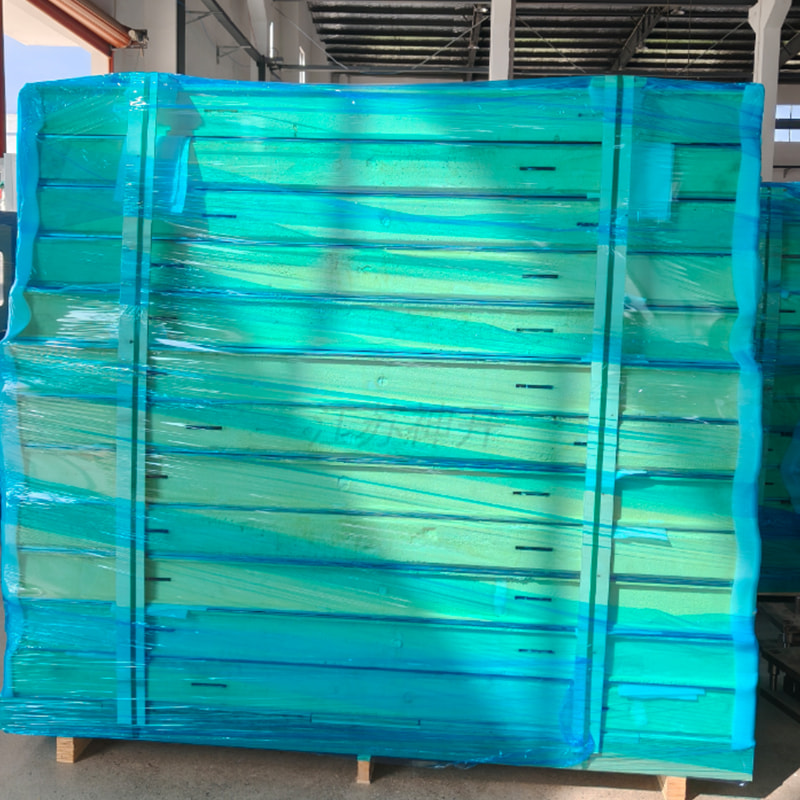
Marine cold storage panels are an essential component in ensuring the freshness and quality of seafood during transport and storage. These panels are specifically designed to maintain precise temperature control in marine environments, which are often unpredictable and challenging. Seafood, particularly perishable items like fish, shellfish, and crustaceans, requires strict temperature regulation to prevent spoilage and degradation. Inadequate or inconsistent refrigeration can result in the rapid growth of bacteria, enzyme action, and loss of nutritional value, leading to significant economic losses and potential health risks.
The development of marine cold storage panels has revolutionized the way seafood is handled aboard vessels, in processing plants, and in cold storage facilities. These panels are made from highly efficient insulating materials that help maintain a controlled temperature range inside storage units, ensuring that the seafood remains fresh from the point of harvest to final distribution. In a fast-paced global seafood market, where shipping times can span several days or even weeks, marine cold storage panels play a vital role in preserving the integrity of seafood products, meeting international food safety standards, and reducing food waste.
In order to understand the significance of these panels, it is important to explore both their design and functionality, as well as their broader impact on the seafood industry. In this section, we will dive into the core elements of marine cold storage panels, explaining their role in seafood preservation, their design considerations, and the technological advancements that make them indispensable to modern seafood logistics.
The Function of Marine Cold Storage Panels in Seafood Preservation
Seafood preservation is a multi-faceted process that requires careful attention to temperature, humidity, and time. Marine cold storage panels are specifically designed to address the temperature aspect, which is one of the most critical factors in preventing spoilage. These panels help maintain a cold environment that is necessary for slowing down the natural processes of microbial growth and enzymatic reactions that lead to spoilage.
In the context of seafood, there are two main temperature ranges for preservation: refrigeration (usually between 0°C and 5°C) and freezing (usually below -18°C). Different types of seafood require different storage temperatures to maintain their quality. For instance, fish that is destined for fresh markets should be kept at a refrigerated temperature, while products intended for long-term storage, such as frozen fish or shellfish, must be kept at freezing temperatures. Marine cold storage panels are versatile in this respect, as they are able to accommodate both refrigeration and freezing needs depending on the specific requirements of the product being stored.
These panels ensure that the internal environment of the cold storage unit remains constant and within the required temperature range, even in the face of external temperature fluctuations or unstable marine conditions. The ability to maintain a consistent temperature is crucial, as even minor deviations can lead to the degradation of seafood quality. Marine cold storage panels help minimize this risk by offering superior insulation properties and the ability to handle large temperature differentials without compromising the integrity of the storage unit.
Design and Materials of Marine Cold Storage Panels
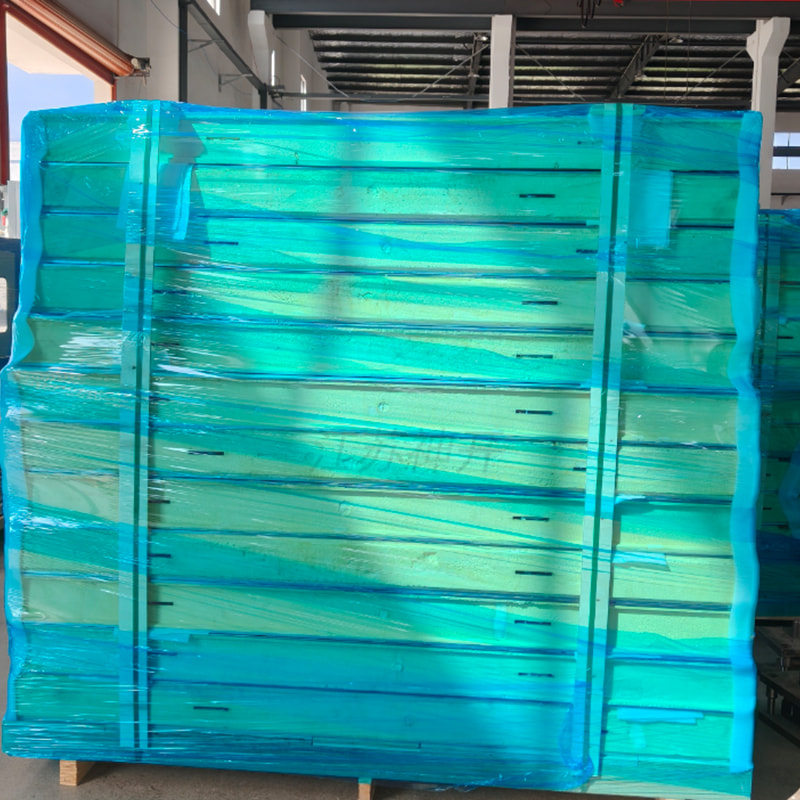
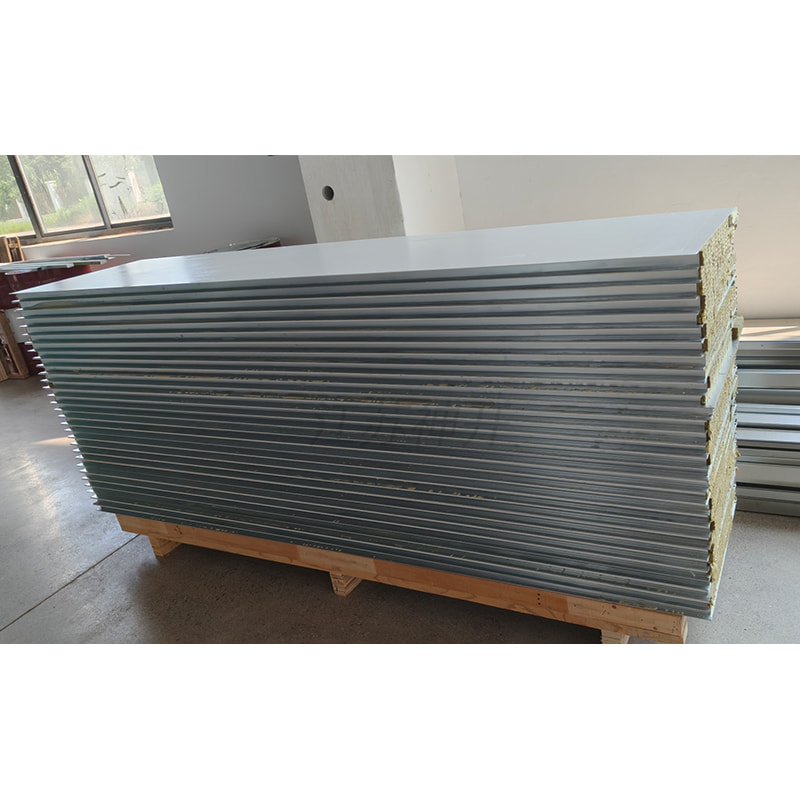
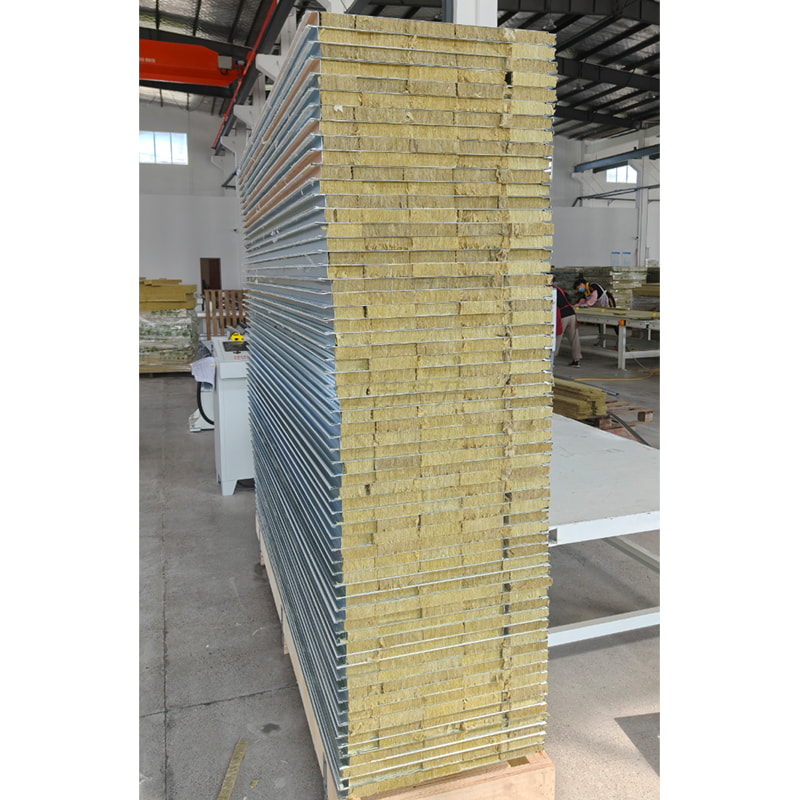
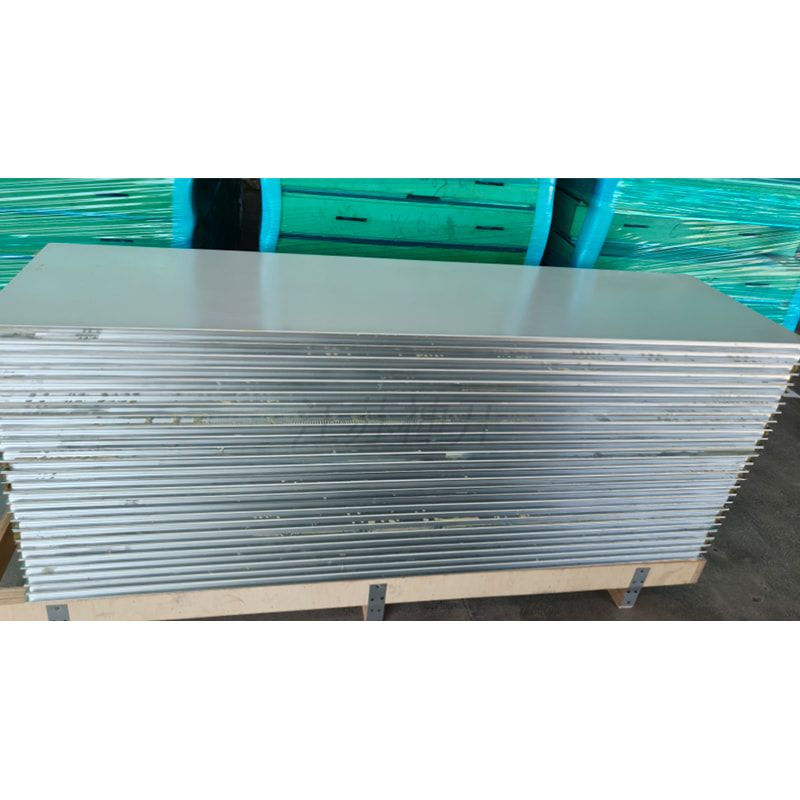
The design of marine cold storage panels is one of the key factors that determine their effectiveness. These panels are typically constructed from sandwich-style composite materials that include two outer layers made of durable materials such as stainless steel, aluminum, or coated steel, with an insulating core made of materials like expanded polystyrene (EPS), polyurethane (PUR), or polyisocyanurate (PIR) foam. These materials are chosen for their excellent thermal resistance, as well as their ability to withstand the harsh conditions of marine environments, including exposure to saltwater, moisture, and UV radiation.
The insulation core of the panel plays a critical role in ensuring that the cold air inside the storage unit is contained, while preventing heat transfer from the outside. The more efficient the insulation material, the better the panel is at maintaining the desired temperature with minimal energy consumption. Materials like polyurethane are often used because they offer a high thermal resistance to heat transfer, which helps to reduce the energy required for cooling and minimizes the overall operational costs.
One of the advantages of marine cold storage panels is their flexibility in design. Panels can be customized in various sizes, thicknesses, and configurations to suit the specific needs of different vessels or facilities. For example, the layout of the cold storage unit can be tailored to accommodate different quantities and types of seafood, ranging from small batches of fresh fish to large volumes of frozen shellfish. Furthermore, the panels are designed to fit together seamlessly, with interlocking edges that provide a strong, secure seal to prevent temperature fluctuations caused by gaps or leaks.
The choice of materials also ensures that the panels are resistant to the challenges of marine environments. For example, stainless steel is commonly used as an outer layer for its corrosion resistance, while coated steel is favored for its durability and resistance to wear and tear. The combination of these materials helps to ensure that marine cold storage panels remain intact and functional for many years, even when exposed to the harshest conditions of the open sea.
Technological Advancements in Marine Cold Storage Panels
In recent years, technological advancements have further improved the efficiency and performance of marine cold storage panels. One of the most significant innovations is the integration of smart technology into the panels. Some modern systems incorporate temperature sensors, data loggers, and automated monitoring systems that allow for real-time tracking of temperature conditions within the storage unit. These technologies can help ensure that the storage temperature remains within the desired range and alert operators in case of any temperature deviations, allowing for prompt corrective action.
Marine cold storage panels can now be equipped with sensors that are capable of monitoring not only temperature but also humidity levels and air circulation. This is particularly important when dealing with seafood products that are sensitive to both temperature and humidity. For example, shellfish such as oysters and clams require a specific balance of humidity to remain fresh, while fish may require different storage conditions to preserve their texture and flavor. Smart monitoring systems make it possible to optimize these conditions, helping to reduce spoilage and waste.
Another advancement in marine cold storage panels is the integration of high-efficiency insulation materials. The latest materials are designed to be even more energy-efficient, reducing the amount of energy required to maintain cold storage. This not only lowers operational costs but also reduces the environmental impact of seafood preservation, which is increasingly important as the industry seeks to meet sustainability goals.
The Impact of Marine Cold Storage Panels on Seafood Logistics
The integration of marine cold storage panels into seafood logistics has drastically transformed the way the industry handles transportation and storage. In the past, seafood preservation was a challenge, especially for long-distance transportation across international waters. However, with the use of these panels, vessels can transport seafood over much greater distances without compromising the quality of the product.
The impact of marine cold storage panels on logistics is especially evident in the global seafood supply chain. As seafood demand increases worldwide, there is a growing need for reliable refrigeration during transport. The ability to maintain a stable and cold environment on vessels ensures that seafood can be stored and transported over long periods without spoiling. This helps to meet the ever-growing demand for fresh and frozen seafood in international markets.
Marine cold storage panels also play a role in reducing food waste. By maintaining the cold chain from the point of harvest to the final consumer, these panels help to minimize losses caused by spoilage. This is particularly important in the seafood industry, where the shelf life of products is often limited. With marine cold storage panels, it becomes possible to extend the shelf life of seafood products, reduce waste, and ensure that products remain safe for consumption.
2. How Marine Cold Storage Panels Ensure Temperature Control in Marine Environments
The role of marine cold storage panels in maintaining temperature control in marine environments is crucial for the preservation of seafood. In the often unstable and unpredictable conditions of the open sea, ensuring the consistent maintenance of an appropriate temperature range is a challenge. However, marine cold storage panels have been specifically engineered to meet this challenge, offering reliable solutions for both refrigeration and freezing needs aboard ships, vessels, and storage facilities. In this section, we will explore the detailed mechanisms through which marine cold storage panels ensure temperature stability, the importance of their design in marine environments, and the impact of temperature regulation on the preservation of perishable seafood.
The Challenge of Temperature Regulation in Marine Environments
The marine environment presents unique challenges when it comes to maintaining consistent temperatures in cold storage. These challenges are primarily driven by the ever-changing external conditions such as air temperature, humidity, and exposure to saltwater, all of which can affect the efficiency of cold storage units. Additionally, marine vessels, which transport seafood over long distances, are constantly in motion, experiencing variations in speed, orientation, and external weather conditions.
For instance, during long journeys, the external temperature around the vessel can fluctuate drastically, especially when traveling between different climate zones. A ship moving from warmer tropical waters to cooler temperate seas will encounter significant temperature differentials. In such conditions, it becomes challenging to maintain a consistent cold chain—the unbroken sequence of temperature-controlled environments needed to preserve seafood quality. Marine cold storage panels are designed to manage these temperature fluctuations and prevent any loss in the quality of stored seafood.
The presence of saltwater and high humidity in marine environments adds to the difficulty in maintaining proper cold storage conditions. Saltwater can accelerate the corrosion of equipment, and high humidity can lead to the formation of ice on refrigeration components, reducing the system's overall efficiency. As such, marine cold storage panels need to be engineered to withstand these conditions while offering effective thermal insulation.
Insulation and Material Technology in Marine Cold Storage Panels
At the heart of how marine cold storage panels regulate temperature is their design, particularly the insulation materials used. The panels are composed of composite sandwich construction, which includes inner and outer layers that are typically made of durable materials such as stainless steel, aluminum, or coated steel. These materials are both resistant to corrosion and provide strength to the panel structure. The inner core is typically made from high-performance insulating materials such as polyurethane (PUR), polystyrene (EPS), or polyisocyanurate (PIR) foam.
These insulation materials are key to the effectiveness of marine cold storage panels in controlling temperature. Polyurethane, in particular, is one of the most commonly used materials due to its high thermal resistance and relatively low thermal conductivity. This ensures that cold air remains inside the storage unit, while warm air is kept out, minimizing energy loss. By effectively controlling the exchange of heat between the inside and outside of the storage unit, polyurethane-based marine cold storage panels help maintain a stable, low temperature within the storage space.
For areas that experience extreme temperature fluctuations or are exposed to high levels of moisture, marine cold storage panels can be constructed with extra-thick insulation layers. These panels act as thermal barriers, preventing heat transfer and maintaining a stable internal temperature, even when the external environment varies significantly.
The reflective outer layer of the panel, typically made of stainless steel, plays a role in blocking external heat radiation, while the insulating core ensures that internal temperatures are retained. These materials are especially important in maritime applications, where external temperature shifts are frequent, and the heat load on the storage unit can change rapidly.
Advanced Temperature Control Systems Integrated into Marine Cold Storage Panels
Beyond their insulation properties, marine cold storage panels often feature advanced temperature control systems that further enhance their ability to maintain consistent temperatures in unpredictable marine environments. These systems typically include built-in refrigeration units and temperature monitoring technologies that work together to regulate the internal conditions of the storage space.
Temperature sensors are one of the primary components of these systems. Embedded within the panels, these sensors continuously monitor the internal temperature of the cold storage unit and relay this information to a central control system. This allows operators to track the temperature in real-time and make adjustments as needed. In the case of unexpected temperature rises, alarms are triggered, alerting operators to potential issues before they become critical.
Many modern cold storage systems also feature automated control mechanisms that adjust the cooling power based on the temperature readings. For example, if the temperature begins to rise above the set point, the refrigeration system will automatically activate to restore the optimal cooling conditions. This dynamic temperature regulation is critical for ensuring the preservation of seafood, as even brief deviations from the correct temperature range can lead to a reduction in product quality or, in the worst-case scenario, spoilage.
Marine cold storage panels can be integrated with smart technology, such as IoT-based systems that allow for remote monitoring and control. These systems can send alerts to operators on shore or via mobile devices, enabling real-time adjustments and more efficient management of cold storage operations. This remote access also allows for preventive maintenance, which helps reduce downtime and ensures that the refrigeration units are operating optimally at all times.
Impact of Temperature Regulation on Seafood Preservation
The temperature control capabilities of marine cold storage panels are integral to preserving the quality and safety of seafood. Seafood products are highly perishable, and any fluctuation outside the ideal temperature range can lead to microbial growth, oxidation, and textural degradation. Marine cold storage panels help maintain the cold chain, a critical process that ensures the temperature remains within a safe range, whether the seafood is being transported over several days or stored for longer periods.
By keeping seafood at the proper temperature, marine cold storage panels help prevent the growth of harmful bacteria such as Vibrio vulnificus, Salmonella, and Listeria monocytogenes, which thrive at higher temperatures. Seafood that is exposed to temperatures outside of the required range can spoil quickly, leading to off-flavors, loss of texture, and increased waste.
Marine cold storage panels also help in preserving the nutritional value of seafood. Fish and shellfish are rich in omega-3 fatty acids, proteins, and other essential nutrients, all of which can degrade when stored improperly. Maintaining the optimal storage temperature helps to preserve these nutrients, ensuring that consumers receive seafood that is not only fresh but also nutritionally intact.
The visual appeal of seafood is greatly affected by temperature fluctuations. Fish, for instance, can lose its firm texture and become mushy when not stored at the correct temperature, while shellfish may lose their natural sheen and freshness. By ensuring that these products remain at a stable, low temperature, marine cold storage panels help preserve the aesthetic quality of seafood, which is particularly important in markets where consumers place a high premium on visual presentation.
The Importance of Temperature Stability in Long-Distance Seafood Transport
Long-distance transport is another area where marine cold storage panels prove their worth. Seafood often needs to be transported over vast distances, sometimes traveling thousands of miles from the point of harvest to the end consumer. This process can take days or even weeks, and during this time, it is essential that the temperature is continuously maintained within the required range. The challenge here is that shipping vessels may face a variety of environmental conditions—such as heat waves, storms, and temperature fluctuations—which can affect the internal temperature of the cold storage units.
The reliable temperature control offered by marine cold storage panels ensures that the seafood remains preserved throughout the transport process, regardless of external conditions. Whether the vessel is traveling through warm tropical waters or crossing cold temperate seas, these panels provide a consistent cold environment, ensuring that seafood reaches its destination in optimal condition. This is essential for maintaining the quality and safety of the product, as well as ensuring that it meets food safety standards in the destination market.
In addition to temperature regulation, marine cold storage panels also support the extended shelf life of seafood during transit. By preventing spoilage and reducing microbial growth, these panels help extend the time that seafood can be safely stored without compromising its quality. This reduces the risk of waste and enhances the profitability of the seafood industry.
3. The Cost-Efficiency of Using Marine Cold Storage Panels for Seafood Storage
The use of marine cold storage panels in seafood storage represents a significant advancement in the preservation of perishable products. The investment in high-quality panels, which are designed to handle the specific requirements of refrigeration and freezing, directly impacts both short-term and long-term operational costs. Marine cold storage panels are engineered to offer superior thermal efficiency, enhanced durability, and minimal maintenance requirements, making them a cost-effective solution for seafood storage. In this section, we will explore how these panels contribute to cost efficiency, focusing on their role in reducing energy consumption, minimizing spoilage, and improving overall operational efficiency.
Energy Efficiency and Operational Savings
One of the key factors that make marine cold storage panels cost-efficient is their energy efficiency. In the context of seafood storage, maintaining a controlled temperature is paramount, as temperature fluctuations can lead to spoilage, compromising both quality and profitability. However, refrigeration systems are often energy-intensive, and any inefficiencies in the storage unit can result in higher operational costs.
The insulation properties of marine cold storage panels are crucial in minimizing energy consumption. These panels are constructed with high-performance insulating materials such as polyurethane (PUR), polystyrene (EPS), or polyisocyanurate (PIR) foam, which have a low thermal conductivity. This means that the panels are highly effective at preventing heat transfer between the internal and external environments, which reduces the amount of work required from the refrigeration system.
The superior insulation ensures that once the desired internal temperature is achieved, the cold storage unit can maintain that temperature for extended periods without needing to run the refrigeration system continuously. This results in a significant reduction in energy consumption, lowering electricity bills and reducing the overall operating costs of the storage unit. By cutting down on energy use, marine cold storage panels directly contribute to reducing the carbon footprint of the operation, aligning with sustainability goals that are becoming increasingly important in the seafood industry.
Many marine cold storage panels are designed with high-efficiency refrigeration systems that complement their insulation capabilities. These systems are optimized to use less energy while maintaining consistent temperatures, further enhancing the overall energy savings. This combination of high-performance insulation and energy-efficient refrigeration leads to significant cost savings in the long run, making marine cold storage panels a valuable investment for seafood storage operations.
Reduction in Spoilage and Product Waste
Another major benefit of marine cold storage panels is their ability to reduce spoilage and waste, which directly impacts the profitability of seafood storage and transportation. Seafood is highly perishable, and any failure to maintain the appropriate temperature can result in rapid spoilage, bacterial growth, and a decrease in product quality. This can lead to financial losses due to product waste, lower market value, and the need for frequent replacements.
Marine cold storage panels help mitigate these risks by ensuring a consistent, reliable temperature environment for seafood products. With their excellent thermal insulation and precise temperature control, these panels maintain a stable internal environment, preventing the temperature from fluctuating and keeping the seafood fresh for longer periods. By stabilizing the internal temperature of the storage unit, marine cold storage panels significantly reduce the risk of spoilage caused by temperature fluctuations, ensuring that seafood reaches its destination in optimal condition.
This reduction in spoilage is particularly important for long-distance seafood transport, where products may be stored for extended periods during transit. With marine cold storage panels, operators can extend the shelf life of seafood without compromising its quality, thus reducing the amount of product that goes to waste. This, in turn, leads to lower overall costs, as operators are able to sell a greater percentage of the seafood at full market value, rather than having to discard spoiled goods.
The use of marine cold storage panels helps to maintain the aesthetic quality of the seafood, which is essential for meeting consumer expectations. Fish, shellfish, and other seafood products are highly valued for their appearance, texture, and flavor. By preventing spoilage and maintaining the integrity of these products, marine cold storage panels help to ensure that seafood remains visually appealing and marketable, reducing the likelihood of discounted prices due to poor quality.
Reduced Maintenance Costs and Longevity of Equipment
The durability of marine cold storage panels plays a significant role in their overall cost efficiency. These panels are designed to withstand the harsh conditions of marine environments, including exposure to saltwater, moisture, and extreme temperature fluctuations. The corrosion-resistant materials used in the construction of these panels, such as stainless steel or coated steel, ensure that they remain intact and functional over time, reducing the need for frequent repairs or replacements.
In addition to being resistant to corrosion, the high-performance insulation materials used in marine cold storage panels are also durable and long-lasting. Unlike traditional insulation materials, which may degrade over time and lose their thermal efficiency, the foam cores used in marine cold storage panels are designed to retain their insulating properties for many years. This long-lasting performance helps to maintain the efficiency of the cold storage unit, which in turn reduces the need for costly repairs or reinstallation of the insulation system.
The low maintenance requirements of marine cold storage panels contribute to their overall cost-effectiveness. With fewer breakdowns and less frequent need for repairs, operators can reduce downtime and avoid the costs associated with maintaining older or less efficient systems. Additionally, because the panels are designed to be easy to clean and maintain, operators can ensure that the cold storage units remain hygienic and free from contaminants, which is essential for meeting food safety standards.
In the long term, the durability and low maintenance costs associated with marine cold storage panels make them a sound investment for seafood storage operations, as they reduce the total cost of ownership over the lifespan of the equipment. These savings on repairs, replacements, and maintenance help offset the initial cost of purchasing and installing the panels.
Compliance with Regulations and Avoiding Fines
In addition to energy savings and reduced waste, marine cold storage panels also contribute to cost efficiency by helping seafood storage operations comply with stringent food safety regulations. Regulatory bodies around the world, such as the FDA (Food and Drug Administration) in the United States, and EFSA (European Food Safety Authority) in Europe, set strict standards for the preservation of seafood to ensure that it remains safe for consumption.
One of the most critical regulations in the seafood industry is the temperature control requirement. Both fresh and frozen seafood must be stored at specific temperatures to prevent spoilage and the growth of harmful bacteria. Failure to comply with these regulations can result in penalties, fines, or even product recalls, which can be costly both in terms of financial loss and damage to the company’s reputation.
By using marine cold storage panels, seafood storage operations can ensure that they maintain the appropriate temperatures for all types of seafood, thereby avoiding potential violations and fines. The precise temperature control provided by marine cold storage panels helps operators stay in compliance with both local and international regulations, reducing the risk of non-compliance and the associated financial consequences.
Marine cold storage panels help improve traceability in the supply chain, making it easier to monitor and document storage conditions. This added layer of transparency is essential for maintaining compliance with regulatory standards and can help prevent legal issues that may arise from non-compliance.
Improved Logistics and Reduced Transport Costs
The role of marine cold storage panels extends beyond the storage facility and into the logistics of seafood transportation. Seafood products are often transported over long distances, sometimes across multiple regions or even continents. The use of marine cold storage panels in transportation systems, such as refrigerated shipping containers or onboard vessels, helps maintain the cold chain throughout the journey, ensuring that seafood remains at the correct temperature from the point of origin to the final destination.
By providing a consistent and reliable cold storage environment, marine cold storage panels help reduce the need for additional cooling equipment during transit. For instance, without efficient cold storage panels, seafood may require the use of additional refrigeration units, which can be costly to operate and maintain. The use of marine cold storage panels eliminates the need for these supplementary systems, leading to reduced transport costs.
Because these panels provide consistent temperature control, they help to prevent spoilage during transit, ensuring that seafood reaches its destination in optimal condition. This reduces the likelihood of rejected shipments, lost goods, and the associated costs of returning or discarding spoiled products.
The use of marine cold storage panels can help improve transport efficiency. By providing reliable refrigeration throughout the transport process, these panels help to streamline logistics, reduce delays, and improve delivery times. Faster, more efficient transport means that seafood can be delivered fresher, resulting in a higher market value and better consumer satisfaction.
4. Enhanced Seafood Quality and Freshness with Marine Cold Storage Panels
The preservation of seafood quality is a critical concern in the global seafood industry, given the highly perishable nature of products like fish, shellfish, and crustaceans. The use of marine cold storage panels has emerged as one of the most effective solutions for maintaining seafood freshness throughout the entire storage and transportation process. These panels, designed to offer advanced temperature control, ensure that seafood stays within optimal conditions, preventing the onset of spoilage, bacterial growth, and deterioration. In this section, we will explore how marine cold storage panels help preserve seafood quality, focusing on their ability to maintain freshness, prevent contamination, and extend the shelf life of perishable seafood products.
Temperature Control and Its Impact on Seafood Freshness
The most important factor in preserving seafood quality is temperature control. Seafood products are highly sensitive to temperature fluctuations. Even a slight rise in temperature can cause significant changes in the texture, taste, and appearance of seafood. For instance, fish that are stored above the optimal temperature range may begin to lose their firm texture and develop an unpleasant odor due to the growth of bacteria and enzymes. The best way to preserve the freshness of seafood is to maintain a stable temperature, ideally below 0°C for refrigeration or -18°C or lower for freezing.
Marine cold storage panels are engineered to provide exceptional insulation, which helps prevent the entry of heat into the cold storage environment, keeping the temperature inside stable and consistent. By providing a well-insulated storage unit, these panels create an ideal environment for preserving seafood freshness by preventing temperature fluctuations that could accelerate the degradation of seafood quality. The insulation materials used in these panels, such as polyurethane (PUR) and polyisocyanurate (PIR), are highly effective at reducing heat transfer, ensuring that seafood is stored at the correct temperature for long periods of time without relying heavily on external refrigeration systems.
The efficiency of marine cold storage panels in maintaining temperature stability is especially beneficial during long-distance transportation, where seafood products may be exposed to fluctuating external conditions. By preventing rapid temperature changes, the panels minimize the risk of thermal shock, which can have damaging effects on seafood. In particular, fish, which are more sensitive to temperature changes than other types of seafood, benefit significantly from the stable temperature provided by these panels, allowing them to retain their texture, flavor, and nutritional value throughout the transport process.
Prevention of Microbial Growth and Bacterial Contamination
Another critical aspect of seafood preservation is the prevention of microbial growth and bacterial contamination. Bacteria such as Vibrio vulnificus, Salmonella, and Listeria are commonly found in seafood, and their growth is accelerated by increased temperatures. These pathogens can cause significant health risks if seafood is consumed after being improperly stored, highlighting the importance of maintaining low temperatures during storage and transport.
Marine cold storage panels help prevent bacterial growth by ensuring that seafood remains at temperatures that inhibit the proliferation of harmful microorganisms. At temperatures below 0°C, the growth of most bacteria is slowed or stopped entirely, reducing the risk of contamination. Additionally, the consistent refrigeration provided by these panels helps to maintain a low humidity environment within the storage unit, further inhibiting bacterial growth.
A well-maintained cold chain (the process of maintaining a stable temperature from harvest to final consumption) is essential in ensuring that seafood stays free from harmful bacteria. Marine cold storage panels play a central role in the cold chain, as they provide a controlled environment that helps prevent the rise in temperature that could trigger bacterial growth. By maintaining the ideal storage temperature, marine cold storage panels significantly reduce the chances of foodborne illness outbreaks related to seafood consumption.
Retaining Seafood Texture, Flavor, and Nutritional Value
Beyond simply preventing spoilage, marine cold storage panels also help preserve the texture, flavor, and nutritional value of seafood. These are the key factors that consumers look for when purchasing seafood, and any deterioration in these areas can have a negative impact on the marketability and price of the product.
The texture of fish and shellfish is especially sensitive to changes in temperature. When seafood is stored at higher temperatures, protein breakdown occurs, causing the product to lose its firmness and develop an undesirable soft or mushy texture. This process, called denaturation, can significantly reduce the quality of the seafood, making it less appealing to consumers. Marine cold storage panels, by maintaining stable low temperatures, prevent protein breakdown and help maintain the firm texture that is so crucial to high-quality seafood.
Similarly, flavor is one of the first characteristics to deteriorate in improperly stored seafood. At higher temperatures, oxidation and the breakdown of lipids can lead to the development of off-flavors in seafood, particularly fish. These changes can make the product less appetizing, and once the flavor of seafood has been compromised, it is difficult to restore. By maintaining an ideal storage temperature, marine cold storage panels prevent these chemical processes from occurring, thereby preserving the natural taste and flavor profile of the seafood.
The nutritional value of seafood is also at risk when it is stored improperly. Nutrients such as omega-3 fatty acids and vitamins can degrade if seafood is stored at the wrong temperature. These nutrients are vital to human health and contribute to the value of seafood as a food source. By providing consistent temperature regulation, marine cold storage panels help preserve these essential nutrients, ensuring that the health benefits of the seafood are maintained throughout its storage and transportation.
Extended Shelf Life of Seafood
One of the primary advantages of using marine cold storage panels is the ability to extend the shelf life of seafood. The longer seafood remains fresh, the more time it has to be transported, processed, and sold, increasing its marketability and reducing waste. By maintaining consistent, low temperatures, marine cold storage panels significantly delay the natural spoilage processes of seafood, which include oxidation, enzyme activity, and microbial growth.
For example, fresh fish that is stored properly in a well-insulated storage unit can last for several days longer than it would if stored without proper refrigeration. Similarly, shellfish, which are particularly susceptible to spoilage, can remain viable for extended periods when stored under optimal conditions. The use of marine cold storage panels is therefore critical for seafood suppliers and distributors, as it allows them to maximize the value of their products by reducing spoilage and waste.
In the case of frozen seafood, marine cold storage panels are essential for maintaining the frozen state of the product. Freezing seafood is one of the most effective methods for preserving its freshness and nutritional value for extended periods. By preventing temperature fluctuations and ensuring that the seafood remains at the desired freezing point, these panels extend the shelf life of frozen seafood, allowing it to be stored and transported over longer distances without degradation in quality.
The Role of Marine Cold Storage Panels in Seafood Transportation
The transportation of seafood over long distances is a critical aspect of the global seafood supply chain. Many seafood products are harvested in distant locations and need to be transported across vast geographical areas to reach consumers in other regions or countries. This process presents significant challenges when it comes to maintaining the quality and freshness of seafood. Fluctuations in temperature during transit can compromise the texture, flavor, and safety of seafood, resulting in lower market value and potential health risks.
Marine cold storage panels are integral to the transportation process, as they ensure that seafood remains within a stable and controlled environment throughout the journey. Whether seafood is being shipped by sea, air, or land, marine cold storage panels provide the reliable insulation and temperature regulation needed to preserve seafood quality during transit. By preventing external temperature fluctuations from affecting the internal environment of the storage unit, these panels ensure that seafood remains fresh, safe, and market-ready upon arrival at its destination.
In the case of refrigerated shipping containers or refrigerated trucks, marine cold storage panels maintain an ideal temperature, even when exposed to external temperature changes, such as hot or cold weather. This is crucial for ensuring that the seafood reaches its destination without degradation, reducing the risk of waste and increasing the overall efficiency of the seafood supply chain.
Preservation of Sustainable Seafood
As sustainability becomes an increasingly important issue in the seafood industry, marine cold storage panels also play a role in supporting sustainable fishing practices. By minimizing spoilage and waste, these panels help to reduce the overall environmental footprint of seafood production. Proper preservation of seafood also contributes to reducing overfishing by ensuring that more of the harvested product can be sold and consumed, rather than being discarded due to spoilage.
The use of marine cold storage panels also aligns with sustainability goals by reducing the need for energy-intensive refrigeration. With their superior insulating properties, these panels help to minimize the amount of energy required to maintain a constant temperature, which reduces the carbon footprint of seafood storage and transportation.
5. Durability and Long-Term Benefits of Marine Cold Storage Panels in Harsh Marine Conditions
The durability and long-term effectiveness of marine cold storage panels are critical factors that ensure their ongoing success in preserving seafood quality and maintaining operational efficiency. These panels are designed specifically for the harsh marine conditions of ships, offshore storage units, and other maritime environments. With the constant exposure to saltwater, humidity, and fluctuating temperatures, it is essential for marine cold storage panels to withstand these challenges without compromising their performance or requiring frequent repairs. In this section, we will examine the key attributes of marine cold storage panels that contribute to their durability and long-term benefits, focusing on their ability to resist environmental stressors, reduce maintenance costs, and provide consistent performance throughout their lifespan.
Material Selection and Corrosion Resistance
One of the most important factors in the durability of marine cold storage panels is the material selection. The marine environment, especially on ships, exposes storage units to saltwater, moisture, and high humidity levels, all of which can accelerate the degradation of materials used in conventional storage solutions. Saltwater, in particular, is highly corrosive, and without the right materials, storage units can quickly suffer from corrosion and rust, leading to expensive repairs, reduced performance, and a shorter lifespan.
To combat these issues, marine cold storage panels are constructed with corrosion-resistant materials. The outer layer of the panels is typically made from stainless steel, coated steel, or aluminum. These materials are known for their ability to resist corrosion caused by prolonged exposure to saltwater and moisture. Stainless steel, in particular, is highly resistant to both oxidation and corrosion, ensuring that the panels remain intact and functional even in saltwater-drenched environments.
In addition to stainless steel, coated steel and aluminum are also widely used. Coated steel is often treated with special coatings that provide a protective barrier against corrosion, while aluminum offers the benefit of being lightweight and resistant to rust, making it ideal for applications in marine environments where weight is a concern.
The corrosion-resistant properties of these materials ensure that marine cold storage panels remain durable and effective for many years, even when exposed to the challenging conditions of the open sea. This resistance to corrosion not only extends the lifespan of the panels but also contributes to the overall reliability of the storage system, reducing the need for frequent replacements or repairs.
Insulation Materials and Long-Term Thermal Performance
The insulation material used in marine cold storage panels plays a key role in their long-term durability and thermal performance. The insulation must maintain its effectiveness over time, ensuring that the storage unit continues to provide efficient temperature control without degradation. In addition to corrosion resistance, thermal stability is another crucial attribute of high-quality marine cold storage panels.
The most commonly used insulation materials in marine cold storage panels are polyurethane (PUR), polystyrene (EPS), and polyisocyanurate (PIR) foam. These materials are known for their high thermal resistance, which minimizes heat transfer between the internal and external environments. This helps to keep the cold storage unit at a consistent temperature, reducing the load on refrigeration systems and improving energy efficiency.
Polyurethane is widely regarded as one of the most effective insulation materials due to its low thermal conductivity. It is particularly well-suited for marine applications, as it provides a strong barrier against heat transfer while being lightweight and durable. Additionally, polyurethane foam has excellent moisture resistance, preventing water absorption that can lead to a decrease in insulation efficiency and increase the potential for mold growth or degradation over time.
Polystyrene (EPS) and polyisocyanurate (PIR) foam are also used for marine cold storage panels, with PIR foam offering slightly better thermal resistance and fire-resistant properties. Both materials provide long-lasting thermal performance, ensuring that the panels continue to perform at a high level over many years of use, even in the challenging conditions found at sea.
The combination of high-performance insulation and durable outer materials ensures that marine cold storage panels are not only effective in maintaining temperature control but also capable of withstanding the long-term stresses imposed by exposure to saltwater, humidity, and temperature fluctuations.
Impact of Saltwater and Humidity on Long-Term Durability
Marine environments, especially offshore storage units and vessels, are subject to a constant cycle of exposure to saltwater and humidity, which can accelerate the wear and tear of equipment. Saltwater is particularly corrosive, and over time, it can weaken even the strongest materials, causing rust, corrosion, and material degradation. Humidity, on the other hand, can cause the buildup of condensation within storage units, leading to potential issues like mold growth, damp insulation, and reduced performance of refrigeration systems.
To combat these challenges, marine cold storage panels are designed with a moisture-resistant outer layer and impermeable insulation materials that prevent the ingress of water. This is particularly important because the accumulation of moisture inside the panels can significantly reduce the insulation's effectiveness, leading to increased energy consumption and a higher likelihood of temperature fluctuations. Marine cold storage panels are also built to resist mold, fungus, and mildew growth, which are common issues in humid environments.
The corrosion-resistant outer materials, such as stainless steel or coated steel, ensure that the panels remain intact and structurally sound despite prolonged exposure to saltwater and high humidity. These materials are designed to form a protective barrier that prevents salt corrosion, even in the most exposed parts of the vessel or storage unit. By maintaining the integrity of the panels over time, these materials help to ensure that marine cold storage panels continue to provide reliable temperature control and energy efficiency over their lifespan.
Long-Term Performance and Reduced Maintenance Requirements
The long-term performance of marine cold storage panels is directly related to their ability to withstand the challenges posed by harsh marine environments. By maintaining their thermal insulation, corrosion resistance, and structural integrity, these panels provide consistent performance over many years, reducing the need for costly repairs and replacements.
Unlike traditional cold storage solutions, which may require frequent maintenance due to material degradation or ineffective insulation, marine cold storage panels are designed to provide low-maintenance operation. Their high-quality materials and precise engineering ensure that the panels continue to perform at their best without the need for constant upkeep. This not only reduces maintenance costs but also helps to avoid downtime, which can be costly in the highly time-sensitive seafood industry.
The durable construction of marine cold storage panels ensures that they can withstand the physical stresses associated with marine environments. On ships and offshore facilities, cold storage units are subject to constant movement, vibration, and shifting, which can take a toll on less robust storage solutions. Marine cold storage panels, however, are designed to handle these physical challenges, maintaining their structural integrity even in the most dynamic environments.
The low-maintenance nature of marine cold storage panels is an essential factor for operators who rely on consistent storage performance without the burden of frequent repairs. As a result, the long-term reliability of these panels translates into cost savings over time, making them a highly economical investment for seafood storage operations.
Benefits of Durability for Global Seafood Supply Chains
One of the most important benefits of marine cold storage panels is their role in supporting global seafood supply chains. In the seafood industry, products are often transported over long distances, and ensuring the quality and safety of seafood during transit is a critical concern. The long-term durability of marine cold storage panels allows them to maintain stable and reliable temperature control throughout the entire journey, regardless of external environmental factors.
By providing consistent refrigeration throughout long-distance transportation, these panels help to preserve seafood freshness and reduce spoilage, ensuring that seafood reaches its destination in optimal condition. The resilience of marine cold storage panels to environmental factors such as saltwater exposure, high humidity, and temperature fluctuations makes them an ideal solution for use in offshore storage and maritime vessels, where conventional storage systems would quickly deteriorate.
The reliability of marine cold storage panels enhances logistics efficiency. With a consistent cold chain provided by durable storage systems, seafood can be transported over vast distances without the risk of temperature fluctuations that could compromise product quality. This is particularly important for the global seafood market, where freshness and quality are key determinants of market value.
The ability to maintain a reliable cold storage system throughout the entire transportation process also reduces the need for backup refrigeration or additional cooling systems, which are often required in less durable storage setups. This not only saves on energy consumption but also helps to streamline logistics operations, reducing transportation costs and improving profitability.
News categories
Product categories
Marine Spiral Duct: Your Complete Guide to Selection and InstallationOct 21,2025
View More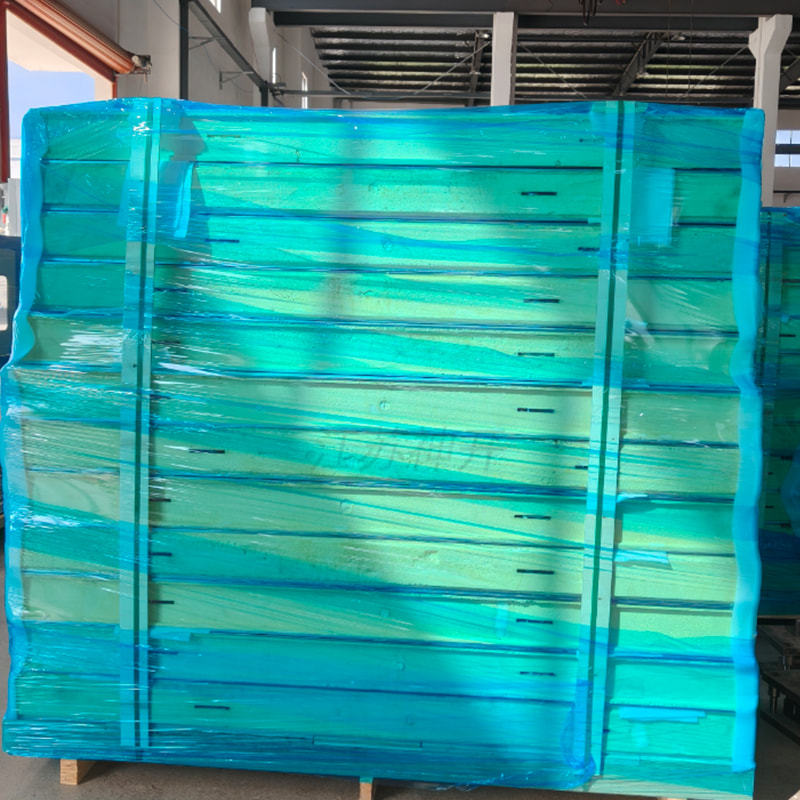
News
-
Introduction to Marine Spiral Duct In the demanding environment of the marine industry, reliable air distribution and exhaust systems are crucial to e...
READ MORE -
Introduction to Marine Ropes What are Marine Ropes? Marine ropes, often referred to as lines in nautical terms, are a fundamental component of any boa...
READ MORE -
Introduction In today’s globalized world, the demand for efficient and reliable ship refrigeration has become more critical than ever. As internationa...
READ MORE -
1. Introduction to Marine Cold Storage Panels and Their Role in Seafood Preservation Marine cold storage panels are an essential component in ensuring...
READ MORE
If You Are Interested In Our Products
Please Consult Us
Please Consult Us
WhatsApp
+86 18036286112
Email
Address
No. 11, Jinli East Road, Hengji Town, Jianhu County, Yancheng City, Jiangsu Province, China
Products
About
Copyright © Jiangsu Shenkai Marine Equipment Co.,Ltd. All Rights Reserved.
