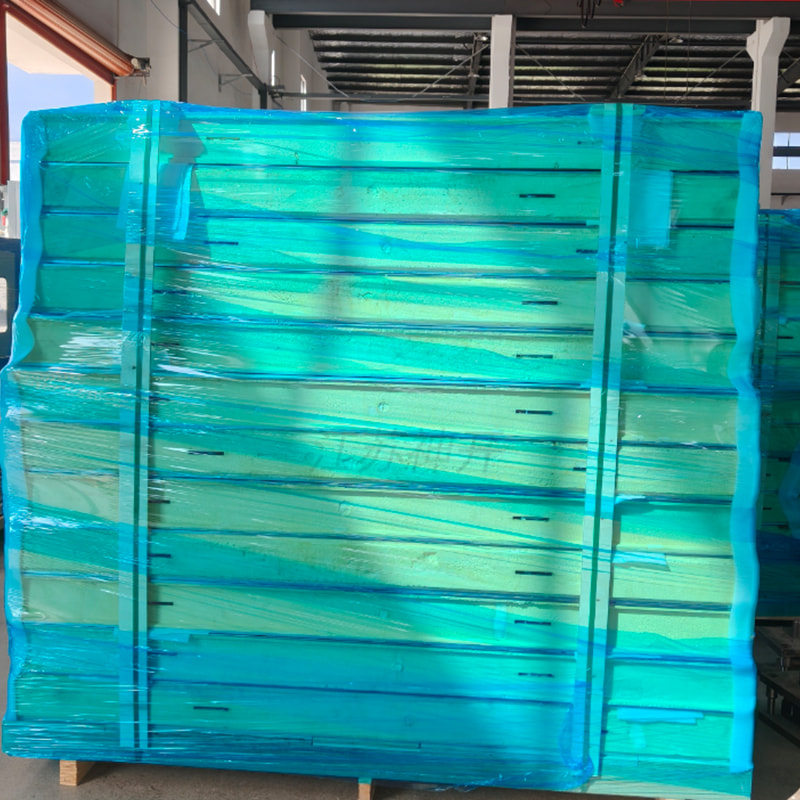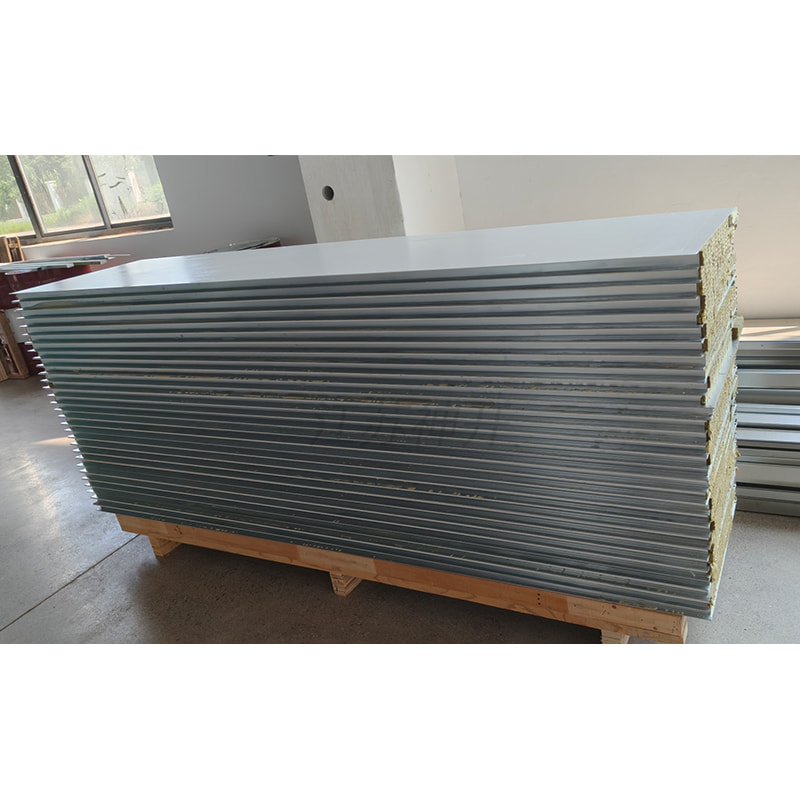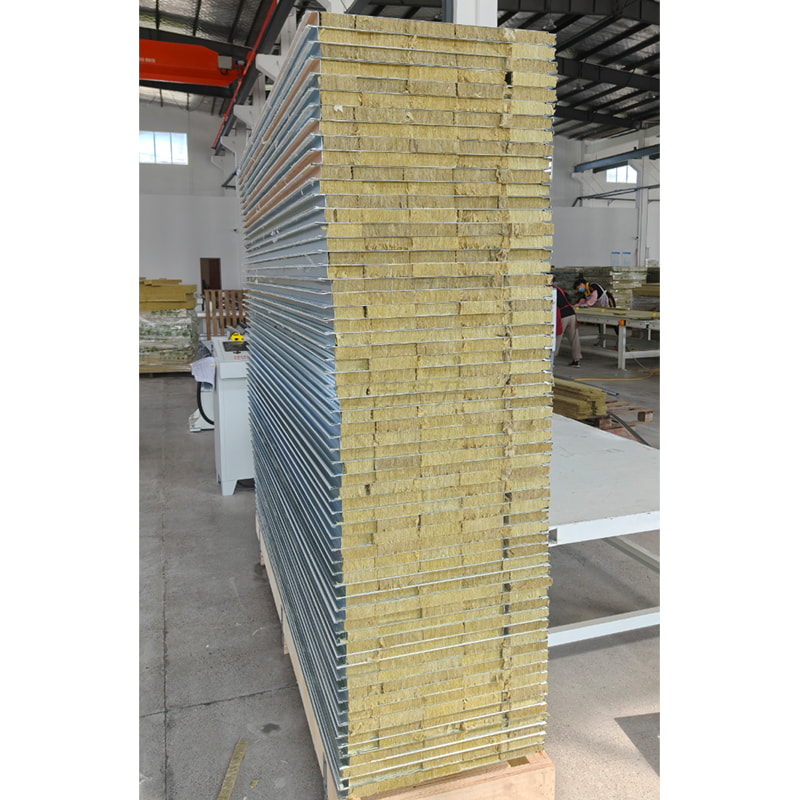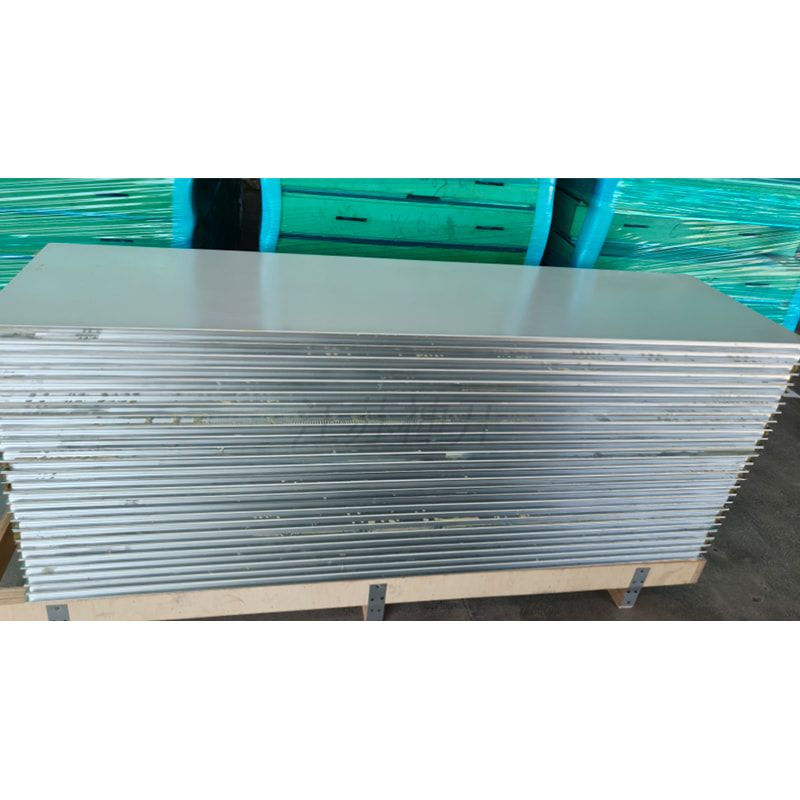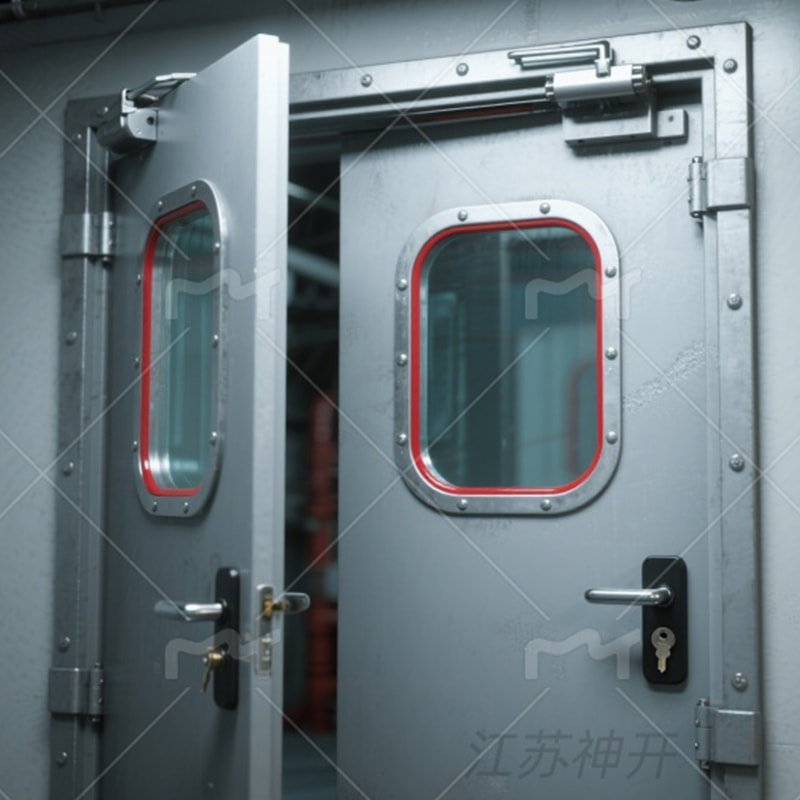

Fire safety is one of the most critical concerns in the maritime industry. Ships, whether they are large passenger vessels, cargo carriers, or luxury yachts, face unique fire risks due to the confined spaces, high flammable materials, and complex systems onboard. A fire on a ship can quickly escalate from a contained incident to a catastrophic event, endangering the lives of passengers, crew members, and the integrity of the vessel itself. Therefore, ensuring comprehensive fire protection is crucial, and marine fire-resistant partition series have emerged as a vital solution in safeguarding ships against fire risks.
These fire-resistant partitions, designed specifically for the maritime environment, play a pivotal role in preventing the spread of fire, containing smoke, and ultimately ensuring that fire incidents are kept under control.
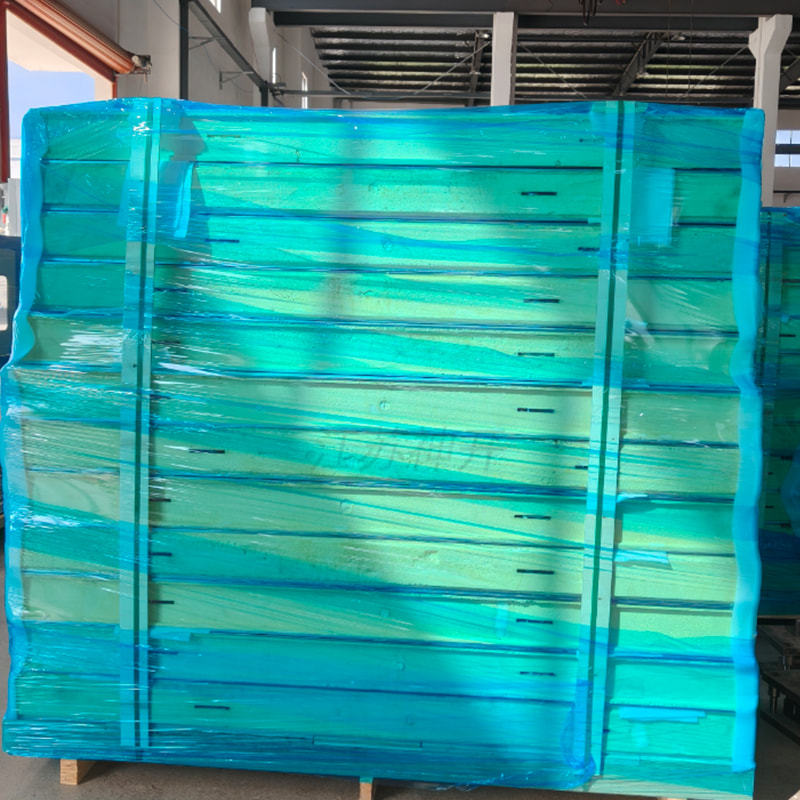
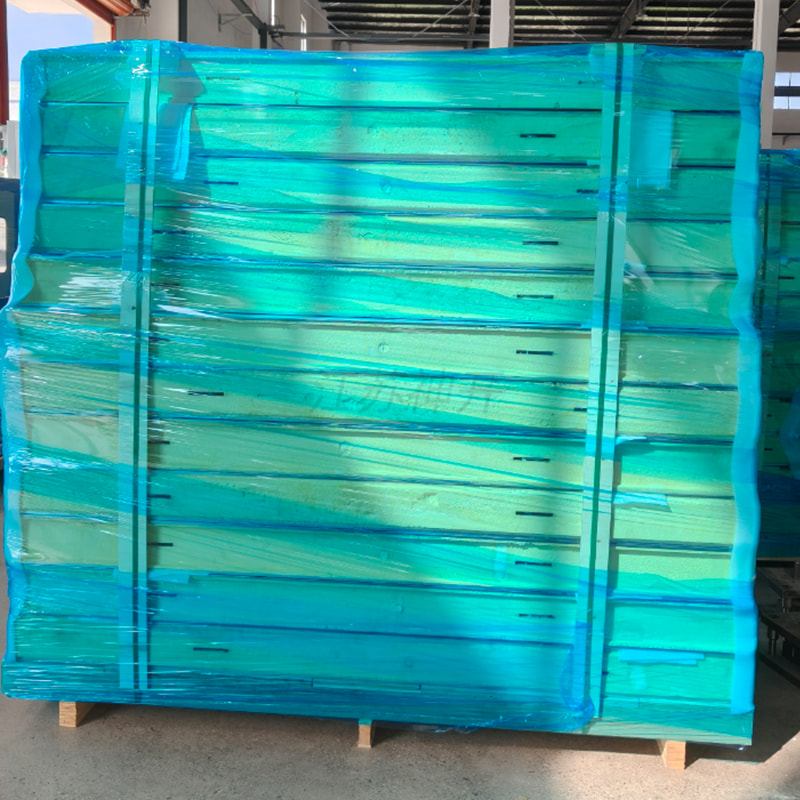
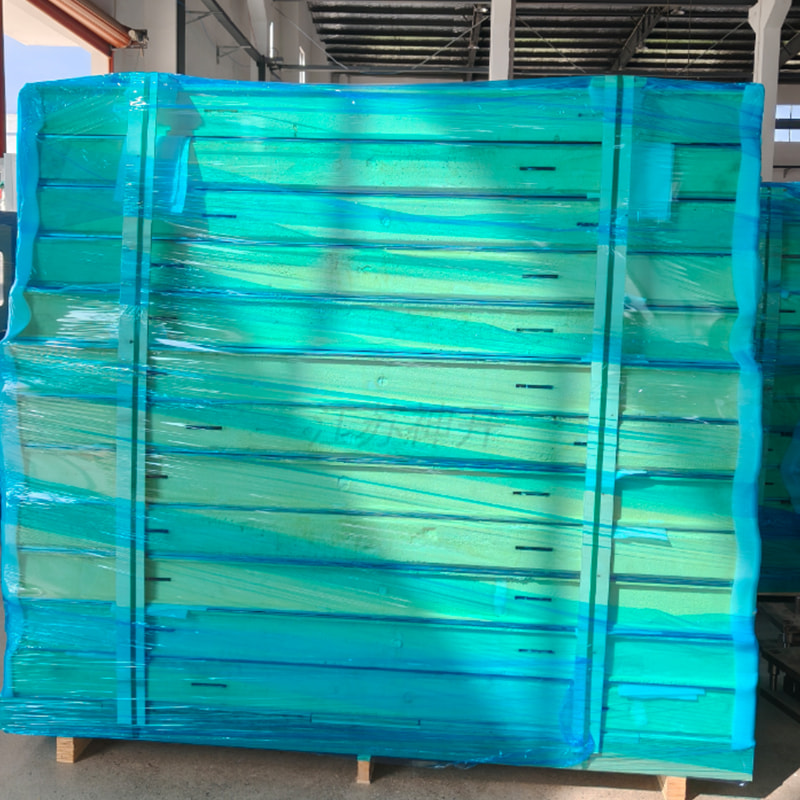
Marine fire-resistant partitions are specially engineered barriers designed to limit the spread of fire and smoke within a vessel. These partitions are made from materials that meet stringent fire resistance standards and are typically tested to withstand fire for a specified period (usually 30, 60, or 120 minutes), depending on the type of partition and its purpose.
These partitions can be installed in various parts of the vessel, including:
Bulkheads (walls dividing sections of the ship)
Decks (floors separating different levels of the ship)
Doorways and hatches (entry points between compartments)
Ventilation ducts and openings (preventing fire from spreading through air circulation systems)
The primary function of these partitions is to prevent fire from spreading across different sections of the ship, keeping the fire contained in one area and allowing enough time for evacuation, firefighting efforts, or both. By creating compartmentalized sections, these partitions ensure that a fire, if it occurs, does not engulf the entire vessel.
One of the key ways that marine fire-resistant partition series mitigate fire risks on ships is through fire containment. Fires on ships can escalate rapidly due to the interconnectedness of spaces. Without effective barriers, a fire in one part of the ship can spread quickly to adjacent areas, causing widespread damage.
Fire-resistant partitions are designed to limit the spread of flames and heat by compartmentalizing the vessel into sections. Each partition is designed to resist the passage of fire for a specific period, allowing crew members to either extinguish the fire or evacuate the affected area. For example, in the event of a fire in the engine room, the fire-resistant partition between the engine room and the accommodation spaces prevents the fire from spreading to living quarters, thus protecting crew and passengers.
The strategic placement of these partitions in critical areas like the engine room, cargo holds, kitchen areas, and passenger decks helps contain the fire to a localized area, greatly enhancing the time available for firefighting teams to respond before the fire spreads to other parts of the ship.
In addition to controlling the spread of fire, marine fire-resistant partitions play a significant role in controlling the movement of toxic smoke. Smoke inhalation is often the leading cause of death in fire-related accidents, especially in confined spaces like those found on ships. Fire-resistant partitions can help limit the movement of smoke from the fire-affected area to other parts of the vessel, providing a safer environment for passengers and crew to evacuate.
Fire-rated partitions often come with integrated smoke control features, such as fire-resistant doors and seals that ensure smoke does not escape into non-affected areas. In addition, the strategic placement of these partitions can help direct smoke to designated smoke ventilation systems, which are designed to remove toxic fumes and gases from the ship’s interior, improving air quality and preventing the spread of smoke.
The maritime industry is highly regulated, with stringent safety standards set by organizations like the International Maritime Organization (IMO) and various flag states. One of the key safety regulations is the International Convention for the Safety of Life at Sea (SOLAS), which establishes standards for fire safety aboard ships.
Marine fire-resistant partition series are designed to meet these regulatory requirements, ensuring that ships comply with SOLAS and other international safety standards. This compliance is not only a legal requirement but also an essential factor in minimizing risks to human life and protecting assets. Failure to adhere to fire safety standards can result in hefty fines, increased insurance premiums, and, most importantly, the loss of lives.
By incorporating fire-resistant partitions into their designs, shipbuilders and owners ensure that their vessels are compliant with the fire resistance standards established by SOLAS, thus improving the vessel’s overall safety profile.
Certain areas on a ship are more critical than others due to their role in the vessel’s operation or the potential impact on safety in the event of a fire. For instance, the engine room, where the vessel’s propulsion system is located, contains highly flammable fuel and machinery. If a fire were to spread to the engine room, it could result in a catastrophic failure of the ship’s power systems, making it impossible to control or evacuate the vessel.
Similarly, cargo holds, fuel tanks, and electrical panels are areas where fires can escalate quickly and lead to significant damage or even an explosion. Marine fire-resistant partitions are strategically placed to protect these high-risk areas, creating fire-resistant zones that prevent the fire from reaching these sensitive locations.
By ensuring that these critical areas are protected by robust fire-resistant barriers, the partition systems help safeguard vital machinery and equipment, cargo (including hazardous materials), and most importantly, the safety of the crew and passengers.
The risk of a fire occurring on a ship is present at all times, but it is particularly high during long-distance transits, especially in remote locations where immediate assistance may not be available. During these times, having an effective fire-resistant partition system on board can make a critical difference in how quickly the fire can be contained and controlled.
For example, if a fire were to break out during a cross-ocean voyage far from port, the compartmentalization provided by fire-resistant partitions offers a higher level of protection. It allows the crew to contain the fire and potentially extinguish it before it spreads too far, increasing the chances of the vessel making it to port safely.
These partitions significantly reduce the risk of a fire turning into a life-threatening disaster, offering vital protection in the event of a fire during transit.
Marine fire-resistant partitions are designed to be durable and long-lasting. Unlike traditional materials that may deteriorate or lose their effectiveness over time, fire-resistant partitions are made from advanced materials that can withstand extreme conditions. These materials are highly resistant to the elements, including moisture, salt, and corrosion, which makes them ideal for use in the harsh marine environment.
The long-term effectiveness of these partitions ensures that ships remain safe over their entire operational lifespan. Regular maintenance and inspection of the partition systems can further extend their life and ensure that they remain effective in fire suppression.
Introduction to Marine Spiral Duct In the demanding environment of the marine industry, reliable air distribution and exhaust systems are crucial to e...
READ MOREIntroduction to Marine Ropes What are Marine Ropes? Marine ropes, often referred to as lines in nautical terms, are a fundamental component of any boa...
READ MOREIntroduction In today’s globalized world, the demand for efficient and reliable ship refrigeration has become more critical than ever. As internationa...
READ MORE1. Introduction to Marine Cold Storage Panels and Their Role in Seafood Preservation Marine cold storage panels are an essential component in ensuring...
READ MORE+86 18036286112
No. 11, Jinli East Road, Hengji Town, Jianhu County, Yancheng City, Jiangsu Province, China
Copyright © Jiangsu Shenkai Marine Equipment Co.,Ltd. All Rights Reserved.

Custom Marine Equipment Manufacturers