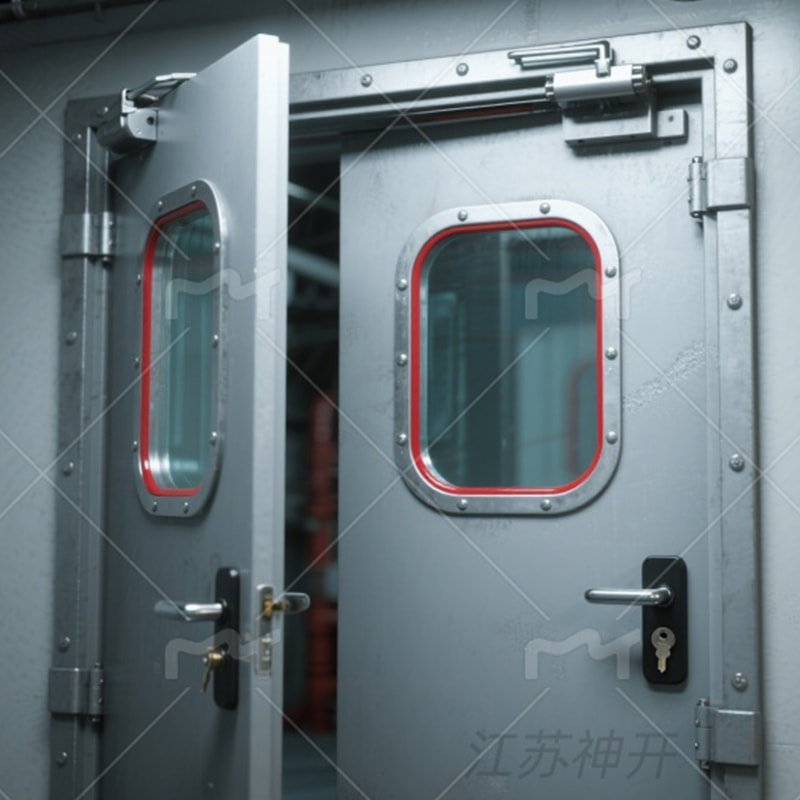

As the global shipping industry faces increasing pressure to meet sustainability goals and reduce its environmental footprint, innovative solutions are becoming essential. One such solution is the adoption of marine composite panels (MCPs), which have been rapidly gaining traction in shipbuilding due to their potential to revolutionize vessel performance and reduce environmental impact. These advanced materials, which are lightweight, durable, and highly resistant to corrosion, are emerging as a key enabler for greener and more sustainable shipping operations.
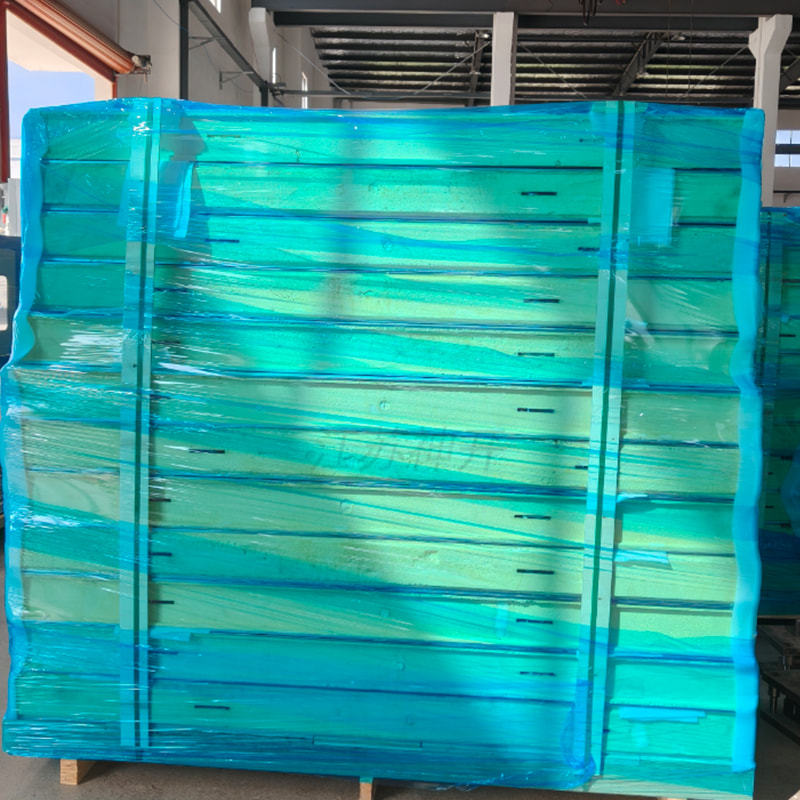
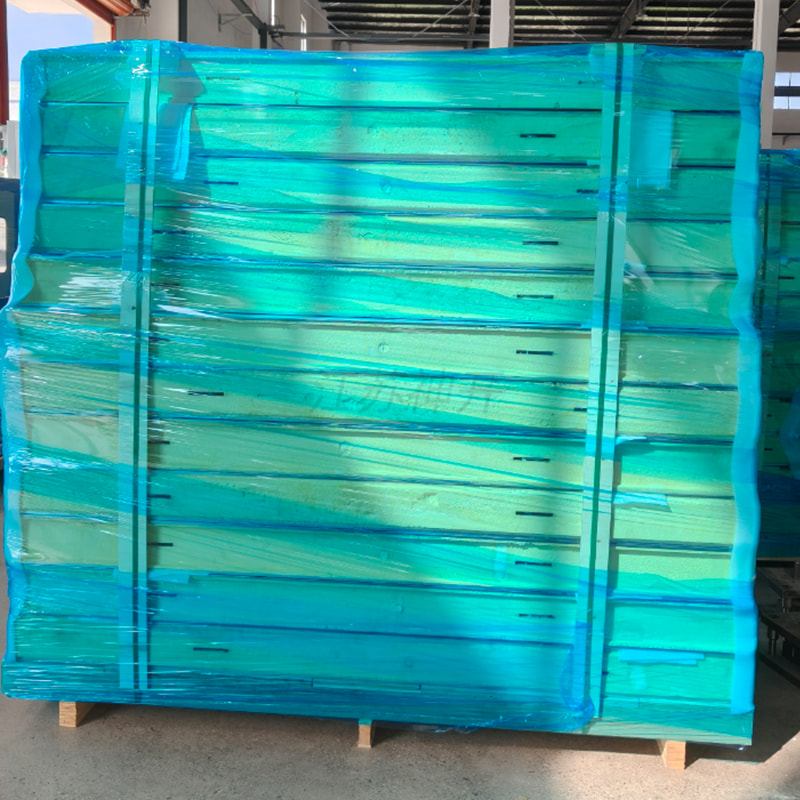
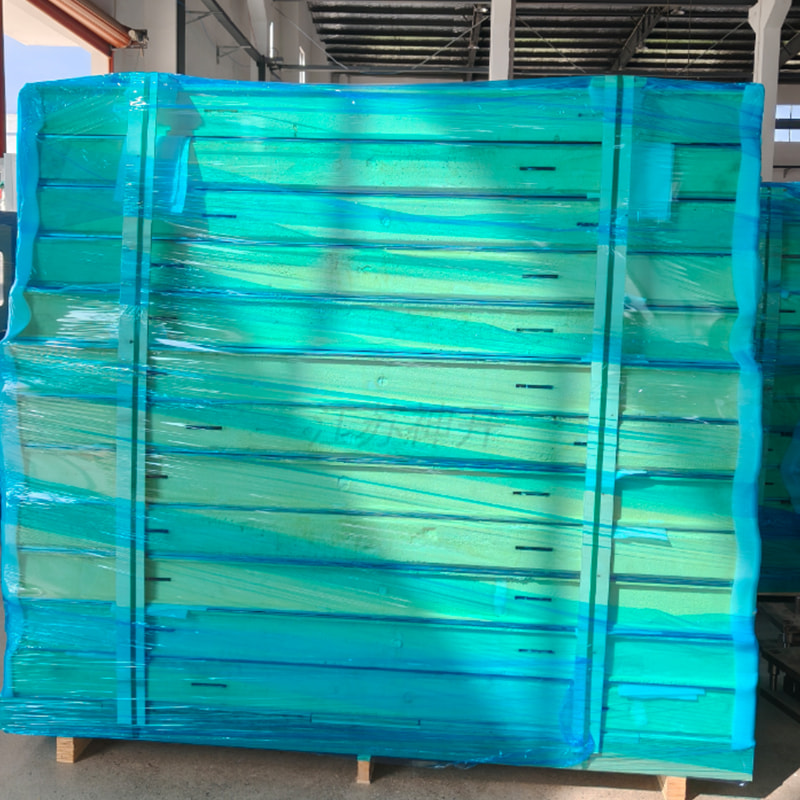
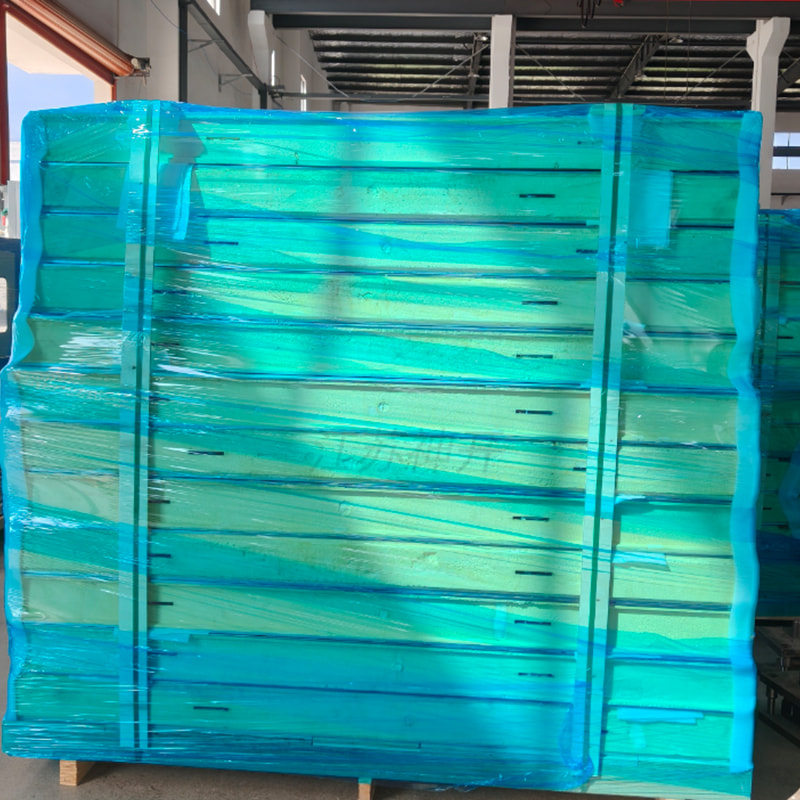
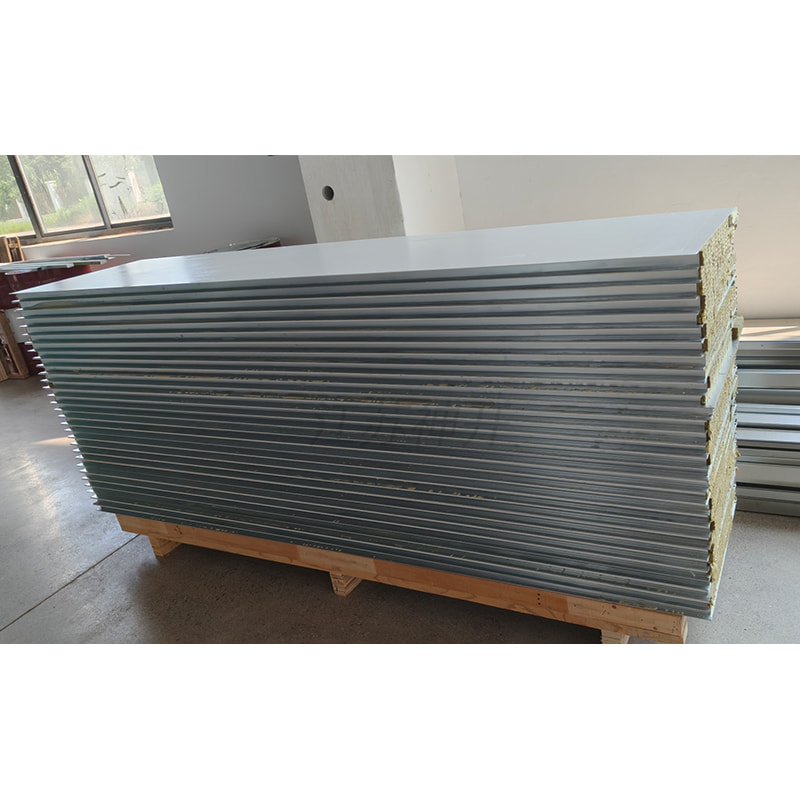
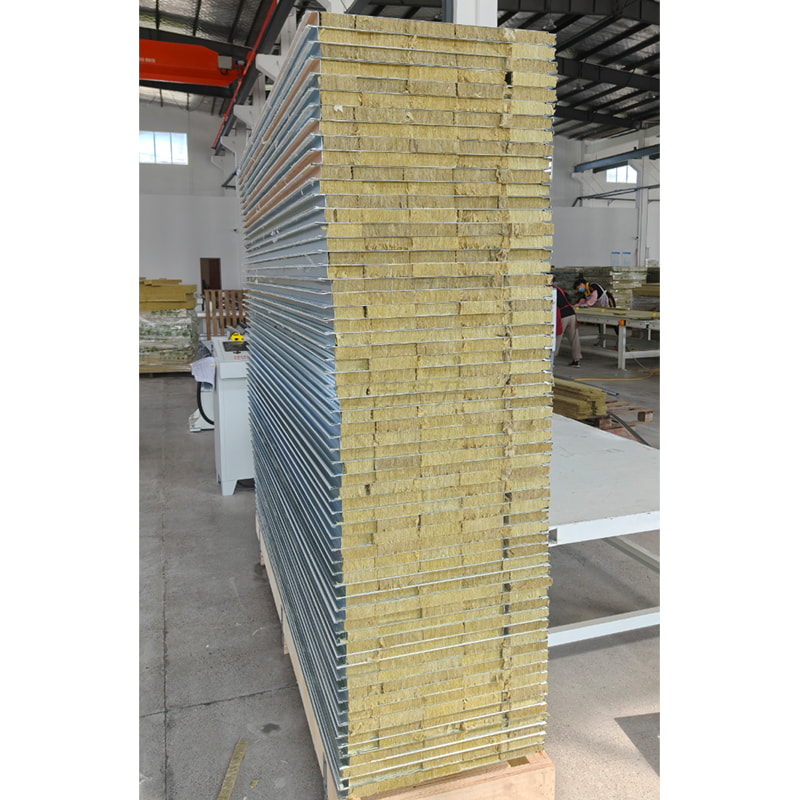
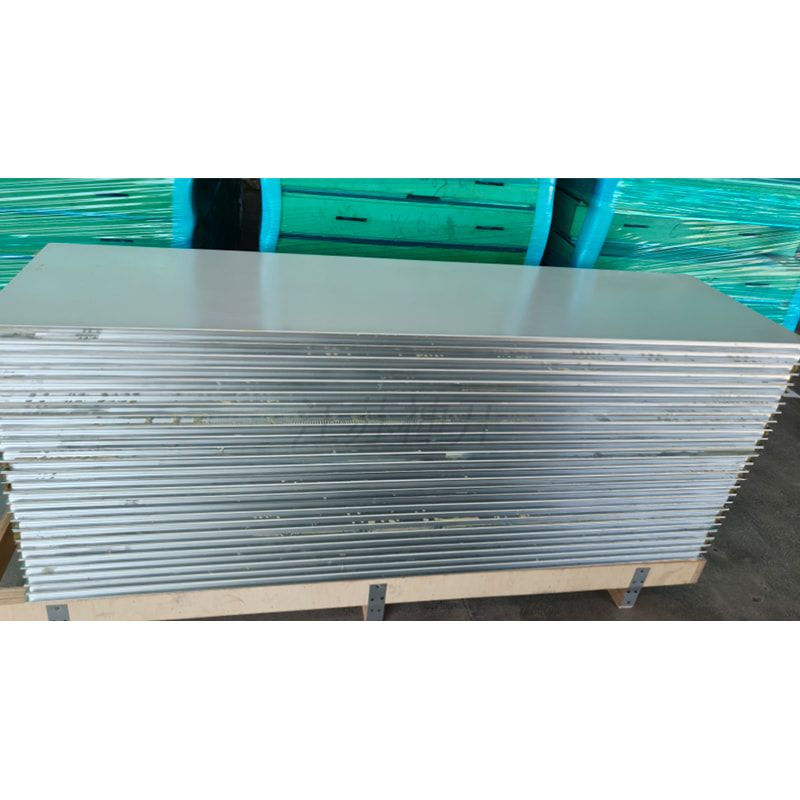
Marine composite panels are engineered materials made by combining two or more different substances to create a panel that offers enhanced properties compared to traditional materials. These panels typically consist of a core material (such as a foam or honeycomb structure) that is sandwiched between two layers of composite skins, often made of glass or carbon fiber reinforced plastics. This construction offers several advantages, including high strength-to-weight ratios, corrosion resistance, and thermal insulation properties.
Traditionally, ships have been constructed using steel or aluminum, both of which are heavy, prone to corrosion, and require significant energy for their production and maintenance. Marine composite panels, on the other hand, are much lighter, do not corrode, and can improve the fuel efficiency of vessels by reducing weight and enhancing the overall structural performance of ships.
One of the primary ways in which marine composite panels contribute to reducing the environmental impact of ships is by improving fuel efficiency. The lightweight nature of MCPs allows ships to carry less weight without compromising on strength or safety. By replacing traditional materials with composites, ships can reduce their overall weight, leading to less fuel consumption during operations.
Fuel consumption is directly linked to a ship's carbon emissions, so reducing the amount of fuel burned translates to a reduction in the carbon footprint. For instance, a vessel that is 10-20% lighter due to the use of marine composites can experience significant fuel savings, which, over time, leads to lower carbon dioxide emissions. This is a crucial factor in the maritime industry’s efforts to comply with international regulations, such as the International Maritime Organization’s (IMO) Sulphur Cap 2020 and the IMO’s Greenhouse Gas Strategy, which seeks to reduce carbon emissions by 50% by 2050.
Furthermore, lighter ships require less power to move through water, which directly impacts fuel consumption. Ships with less weight experience less drag in the water, making it easier to reach higher speeds with lower energy input. This reduction in fuel consumption not only helps to reduce CO2 emissions but also cuts operational costs for shipping companies, creating a compelling business case for the adoption of marine composite panels.
Another way that marine composite panels contribute to sustainability is through their enhanced durability and longevity. Traditional shipbuilding materials like steel are prone to corrosion, particularly in the harsh marine environment where saltwater and humidity can lead to rust and deterioration. This corrosion reduces the lifespan of a vessel and requires regular maintenance, which involves the use of additional resources and energy.
In contrast, marine composite panels are highly resistant to corrosion, offering long-lasting performance with minimal maintenance. This characteristic is particularly advantageous for vessels operating in harsh environments, such as offshore oil platforms, naval ships, and high-performance yachts. Because composite materials do not rust or degrade in the same way as metals, ships made with MCPs experience fewer maintenance cycles, reducing the need for repairs and extending the operational life of the vessel.
Longer lifespans also mean that fewer resources are needed for replacement or refurbishment, contributing to reduced demand for raw materials and less waste generated from decommissioned ships. By improving durability and minimizing the need for maintenance, marine composite panels help to conserve resources and reduce the environmental impact of shipbuilding and ship operation.
The environmental impact of ships extends beyond their operational lifespan. When ships are decommissioned and sent for recycling, the materials used in their construction can have a significant impact on the environment. Steel and aluminum, for example, are energy-intensive to recycle, and the process often generates harmful emissions.
Marine composite panels, however, present a different challenge. While composite materials are not as easily recyclable as metals, efforts are being made to develop recycling methods for composites, and several companies are working on technologies to break down these materials more efficiently. In the future, as recycling technologies improve, marine composite panels may offer a more sustainable alternative to traditional materials, with the potential for less waste and lower energy consumption during the recycling process.
Beyond operational fuel savings and durability, marine composite panels also play a crucial role in enabling more sustainable ship designs. Composites are highly versatile and can be tailored to meet the specific needs of a ship, allowing for greater design flexibility. This flexibility enables the creation of ships that are not only lighter and more fuel-efficient but also better suited to meet the evolving demands of the maritime industry.
For example, ship designers can use marine composite panels to create vessels with better insulation properties, which can reduce the need for additional energy-consuming systems like air conditioning or heating. This energy efficiency can help further reduce a vessel's carbon footprint, particularly in regions with extreme temperatures.
Additionally, marine composite panels can be used in the design of hybrid or electric-powered ships, where the weight of the vessel plays a critical role in performance. The ability to reduce the weight of a vessel using composites opens up opportunities for the development of zero-emission ships, which are powered by renewable energy sources such as wind, solar, or battery storage.
The adoption of marine composite panels is also being supported by the regulatory framework surrounding the maritime industry. As global regulations become more stringent in terms of emissions and environmental impact, the demand for environmentally friendly materials like composites is expected to rise. The International Maritime Organization (IMO), for example, has been setting aggressive targets for reducing greenhouse gas emissions from ships, creating a strong incentive for shipbuilders to adopt more sustainable practices.
Governments and regulatory bodies around the world are offering incentives and subsidies to encourage the adoption of green technologies in the maritime industry. These include tax breaks, funding for research and development, and support for the development of new materials like marine composites that can help achieve these goals.
The potential of marine composite panels in reducing the environmental impact of ships is immense, but the widespread adoption of these materials is still in its early stages. While many new ships are incorporating marine composite panels in their design, the full-scale transformation of the industry will require significant investment in research, development, and manufacturing capabilities.
As the technology continues to evolve, and as new recycling methods for composites are developed, the environmental benefits of marine composites are expected to grow. With continued innovation, marine composite panels have the potential to play a central role in the maritime industry’s transition toward more sustainable and environmentally friendly operations.
Introduction to Marine Spiral Duct In the demanding environment of the marine industry, reliable air distribution and exhaust systems are crucial to e...
READ MOREIntroduction to Marine Ropes What are Marine Ropes? Marine ropes, often referred to as lines in nautical terms, are a fundamental component of any boa...
READ MOREIntroduction In today’s globalized world, the demand for efficient and reliable ship refrigeration has become more critical than ever. As internationa...
READ MORE1. Introduction to Marine Cold Storage Panels and Their Role in Seafood Preservation Marine cold storage panels are an essential component in ensuring...
READ MORE+86 18036286112
No. 11, Jinli East Road, Hengji Town, Jianhu County, Yancheng City, Jiangsu Province, China
Copyright © Jiangsu Shenkai Marine Equipment Co.,Ltd. All Rights Reserved.

Custom Marine Equipment Manufacturers