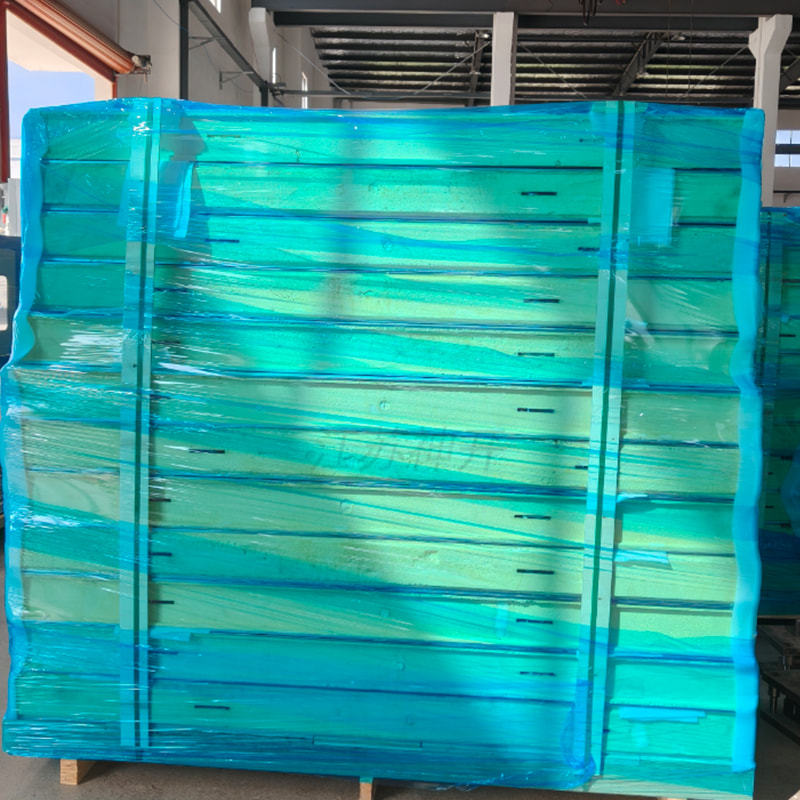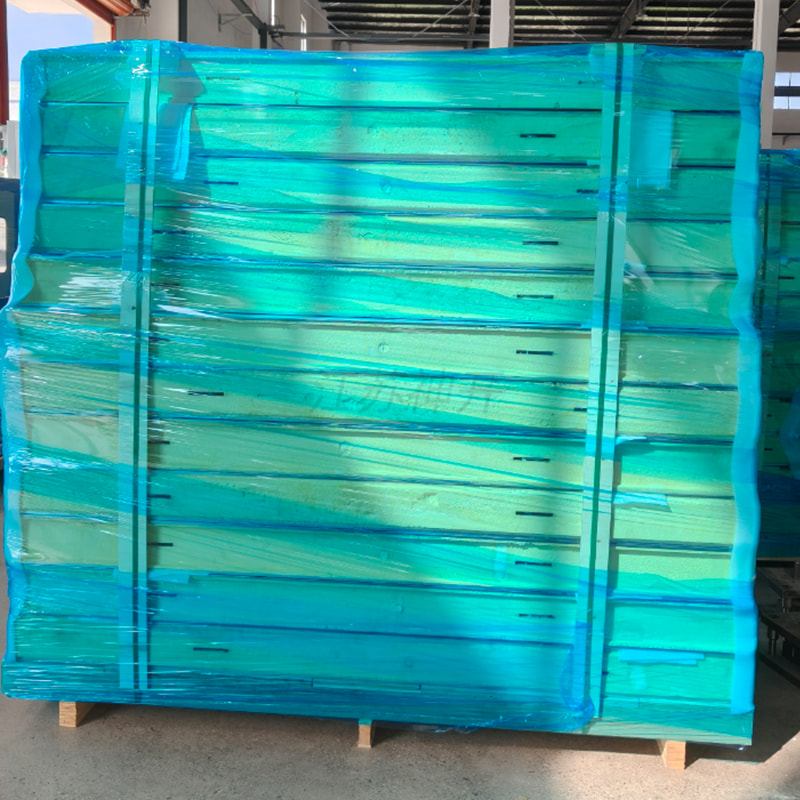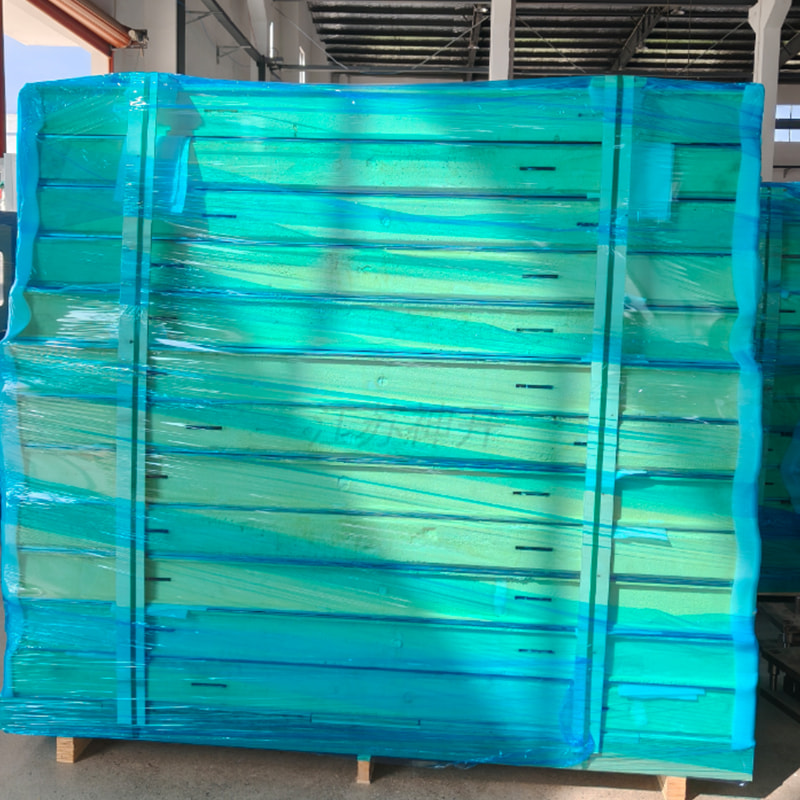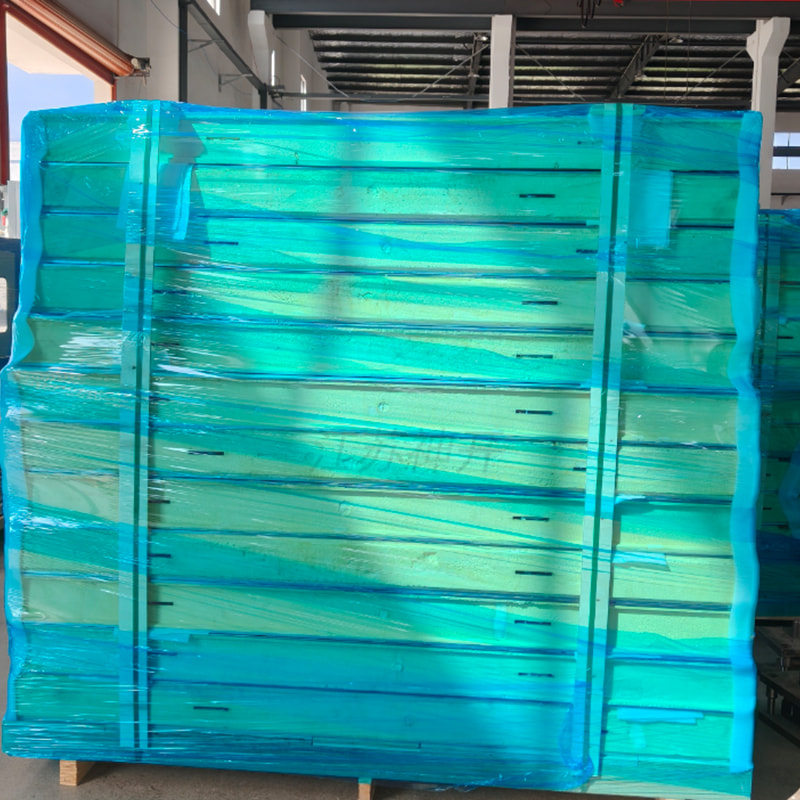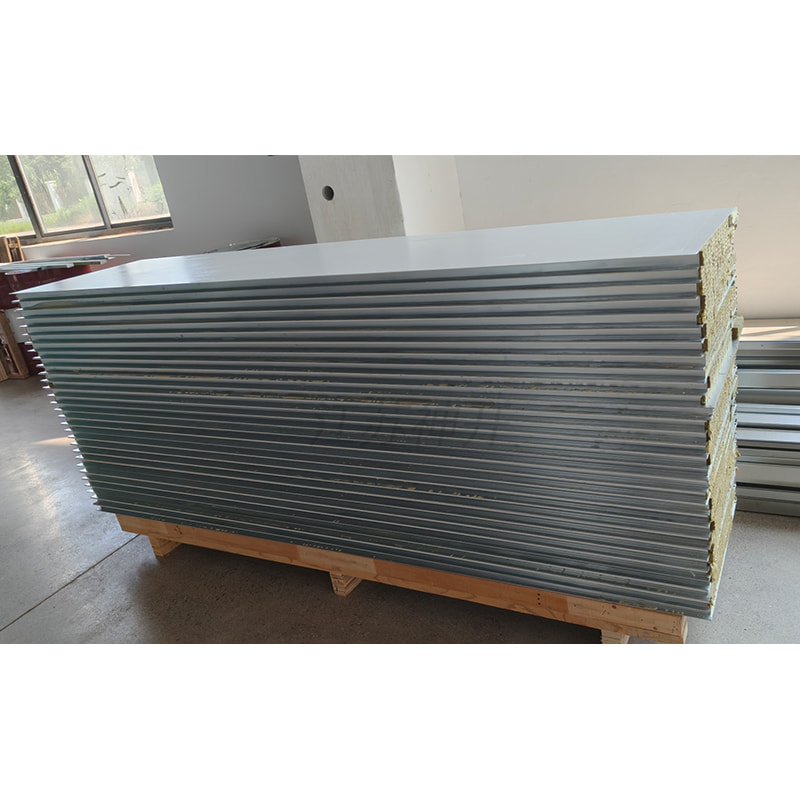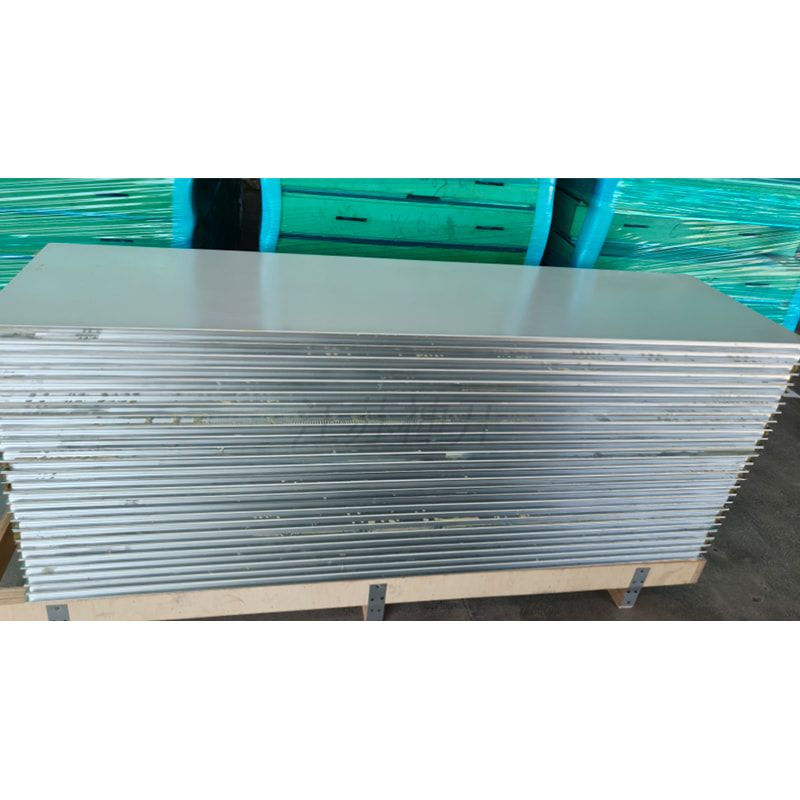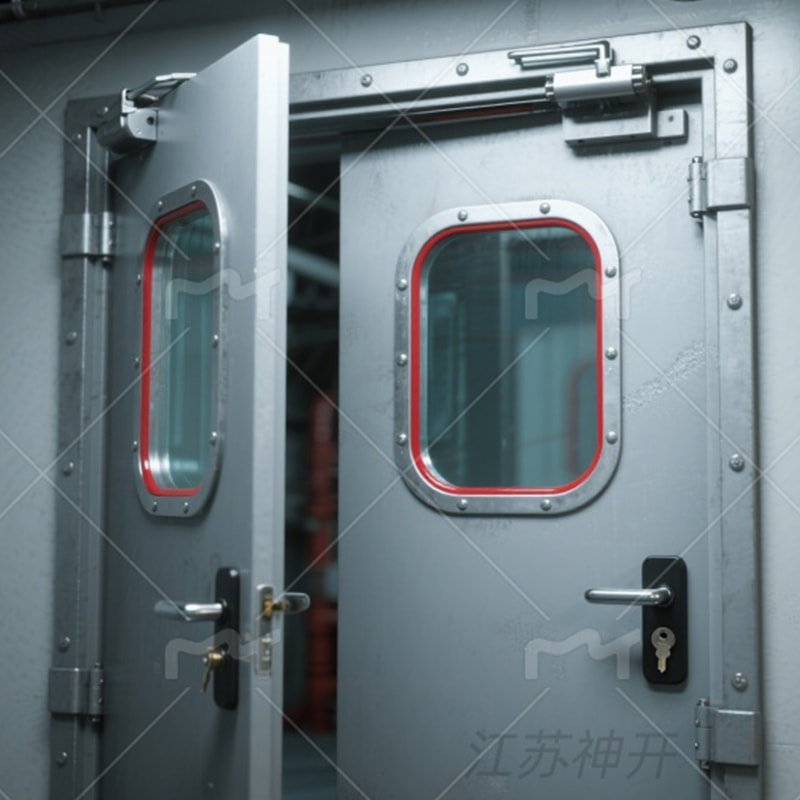

A marine fire-resistant partition is a bulkhead or deck division built to the SOLAS Chapter II-2 "A," "B," or "C" class standard, constructed from non-combustible steel or equivalent material with mineral wool insulation, engineered to block the passage of fire and smoke between shipboard compartments for a defined test period. The three classes are not interchangeable labels — they represent specific, independently verified performance levels: A-class divisions must resist fire for 60 minutes, B-class for 30 minutes, and C-class simply must be built from non-combustible material with no minimum time requirement. Which class applies to a given bulkhead or deck depends on what spaces sit on either side of it, as set out in the SOLAS fire boundary tables.
This article explains how each class is defined and tested, what materials and construction methods are used to achieve the ratings, and the practical details — such as penetration sealing and insulation subclasses — that determine whether a partition actually performs as intended once cables, pipes, and doors are installed through it.
SOLAS Chapter II-2 divides shipboard fire boundaries into three classes based on how long they must contain fire and smoke, and how much they must limit the rise in surface temperature on the unexposed side. Regulators use these classes — along with sub-ratings for insulation performance — to specify exactly which type of division is required between any two adjacent spaces on a vessel, such as between a galley and a corridor, or between an engine room and accommodation.
| Class | Construction | Fire Resistance Time | Sub-Ratings |
|---|---|---|---|
| A-Class | Steel or equivalent material | 60 minutes | A-60, A-30, A-15, A-0 |
| B-Class | Non-combustible material | 30 minutes | B-15, B-0 |
| C-Class | Non-combustible material | No minimum specified | None |
The number after the letter indicates how long the insulation must keep the unexposed side below the specified temperature rise, not how long the structure itself survives. An A-60 division is insulated to hold back heat transfer for the full 60-minute test, while an A-0 division is made of the same steel structure but carries no insulation requirement — it will still contain flame and smoke for 60 minutes, but the reverse side can heat up much faster. This distinction matters directly for space planning: a corridor wall next to a galley may only need A-0, while a stairway enclosure serving as an escape route typically needs full A-60 protection.
Every marine fire-resistant partition design must pass standardized furnace testing under the IMO 2010 FTP Code (Resolution MSC.307(88)) before it can be installed on a SOLAS-regulated vessel. The testing is split into distinct parts covering different properties, and a partition system must clear all of the relevant parts to receive type approval and the associated Wheel Mark certification.
Core materials such as mineral wool or rock wool are first tested individually for non-combustibility. Cylindrical samples are placed in a furnace heated to approximately 750°C for 30 minutes. To pass, the average furnace temperature rise must not exceed 30°C, the specimen's own surface temperature rise must also stay under 30°C, sustained flaming must last less than 10 seconds, and mass loss must remain below 50%.
The assembled bulkhead or deck panel is then tested as a complete system in a furnace following the ISO 834-1 standard time-temperature curve, which replicates how a real compartment fire develops. For A-class insulation ratings, the criterion is that the average temperature rise on the unexposed face must not exceed 139°C above the starting temperature, with no single point exceeding 180°C, for the full duration of the class (60, 30, or 15 minutes). Integrity is checked with a cotton-wool pad test: if a pad held against any gap or crack on the unexposed side ignites or glows, the panel fails, regardless of the temperature readings.
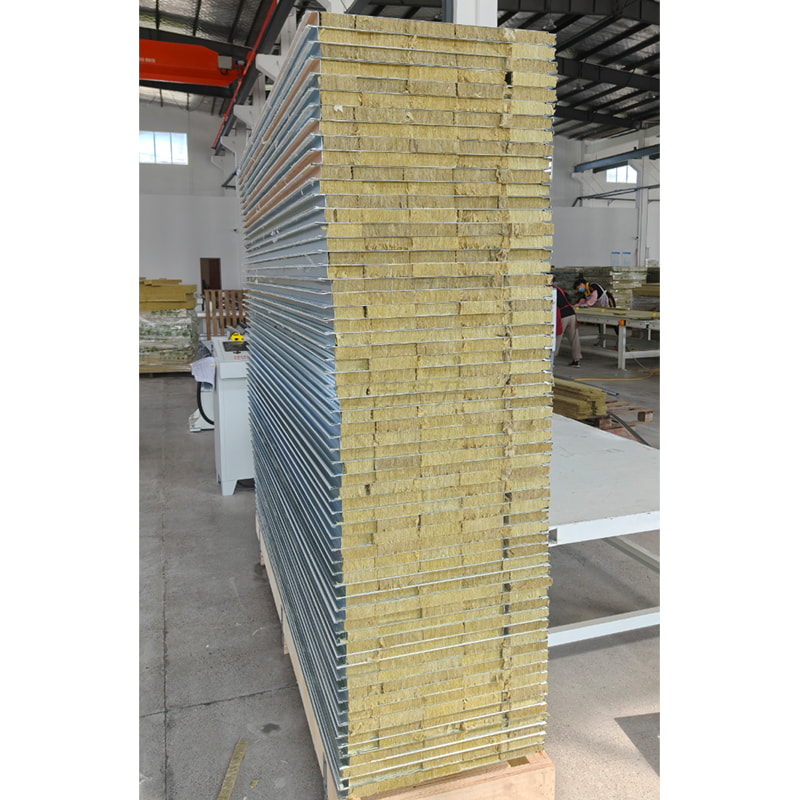
Most marine fire-resistant partitions are built as sandwich or lined panel systems: a steel or aluminum face sheet on each side with a non-combustible mineral wool core between them. The core material carries almost the entire fire-resistance burden, since it is what slows heat transfer from the exposed to the unexposed face during the test period.
For A-60 rated structural insulation, panel thickness is generally determined during type approval testing and stated on the manufacturer's certificate — the FTP Code does not allow that thickness to simply be scaled down for lower ratings like A-30 or A-15 without additional dedicated fire testing at that thickness.
A perfectly rated bulkhead can still fail to perform its function if the cables, pipes, and ducts passing through it are not sealed with a matching fire-rated transit system. Every hole cut into an A-class or B-class partition for services must be closed with a penetration seal tested and certified to the same class as the surrounding structure, or the entire division's rating is compromised at that point.
Certified marine penetration seals typically combine a non-combustible filler material — such as calcium silicate blanket or mineral wool packing — with a fire-resistant, water- and gas-tight sealant around the outer surface. These systems are rated across the same range as the partitions themselves, from A-0 up to A-60, and multi-cable transit systems are commonly tested and approved for large bundles of mixed cable types and metallic or GRP pipes passing through a single opening.
An unsealed or mismatched penetration creates a direct path for flame, smoke, and hot gases to bypass the insulation entirely, which is exactly the failure mode the cotton-wool pad test is designed to catch. Facilities specifying new construction or retrofits should confirm that penetration seal products carry documentation referencing the specific FTP Code Part 3 test and class rating that matches the host bulkhead or deck, not just a general "marine approved" label.
Selecting the correct partition class is not a design preference — it is dictated by the SOLAS tables that cross-reference every pair of adjacent shipboard space types (control stations, accommodation, machinery spaces, cargo areas, and so on). That said, several practical considerations should guide procurement and retrofit planning beyond simply meeting the minimum required class.
Introduction to Marine Spiral Duct In the demanding environment of the marine industry, reliable air distribution and exhaust systems are crucial to e...
READ MOREIntroduction to Marine Ropes What are Marine Ropes? Marine ropes, often referred to as lines in nautical terms, are a fundamental component of any boa...
READ MOREIntroduction In today’s globalized world, the demand for efficient and reliable ship refrigeration has become more critical than ever. As internationa...
READ MORE1. Introduction to Marine Cold Storage Panels and Their Role in Seafood Preservation Marine cold storage panels are an essential component in ensuring...
READ MORE+86 18036286112
No. 11, Jinli East Road, Hengji Town, Jianhu County, Yancheng City, Jiangsu Province, China
Copyright © Jiangsu Shenkai Marine Equipment Co.,Ltd. All Rights Reserved.

Custom Marine Equipment Manufacturers