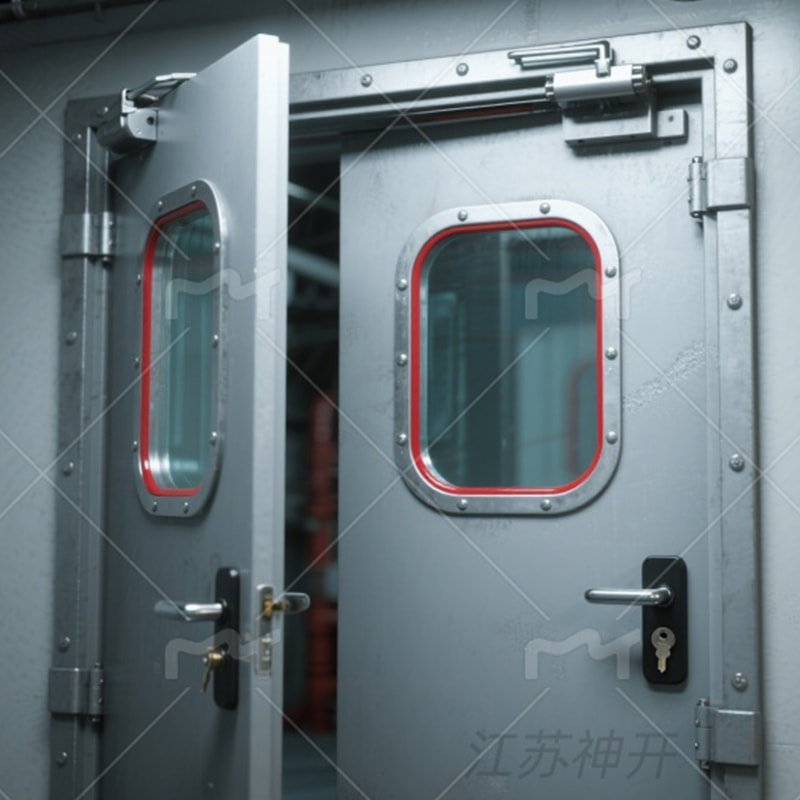

A marine sanitary unit, also called a ship sanitary unit, is an onboard system that collects, treats, and discharges wastewater generated by a vessel's crew and passengers — including sewage (blackwater) and, in many designs, greywater from sinks, showers, and galleys. These systems are a mandatory piece of equipment on most commercial and many recreational vessels, since untreated discharge into open water is prohibited under international maritime law in the vast majority of operating zones.
In short: any vessel carrying people that operates beyond a limited coastal buffer zone needs a certified marine sanitary unit to legally treat wastewater before discharge, or to hold it for pump-out at an approved shore facility. The specific requirement depends on vessel size, passenger capacity, and the regulatory zone in which it operates.
Most marine sanitary units follow a multi-stage biological or mechanical treatment process designed to reduce contaminants to a level safe for discharge. Understanding the treatment stages helps buyers and crew evaluate whether a given system meets their operational needs.
A properly functioning system should reduce fecal coliform counts to under 100 MPN (Most Probable Number) per 100mL, the discharge standard referenced in most international and flag-state regulations for treated sewage effluent.
Not every vessel needs the same treatment technology. The right system depends on vessel size, crew/passenger count, available space, and the regulatory zones the vessel operates in most frequently.
| Type | Treatment Method | Typical Vessel Use |
|---|---|---|
| Biological (MSD Type II) | Aerobic bacterial digestion | Commercial ships, ferries, cargo vessels |
| Electrochemical / Electrolytic | Saltwater electrolysis disinfection | Yachts, offshore support vessels |
| Membrane Bioreactor (MBR) | Biological treatment with membrane filtration | Cruise ships, large passenger vessels |
| Holding Tank (MSD Type III) | No onboard treatment, stores for pump-out | Small craft, recreational boats |
Larger passenger vessels increasingly specify membrane bioreactor systems, since MBR technology produces significantly cleaner effluent than standard biological treatment, allowing discharge in more restrictive coastal zones without requiring extended holding tank capacity.
Marine sanitary units must comply with regulations set by international bodies and, in many cases, national flag-state authorities. Failing to install a certified system can result in vessel detention, fines, or denial of port entry.
Under MARPOL Annex IV, vessels are generally prohibited from discharging untreated sewage within 3 nautical miles of the nearest land, and even treated sewage from an approved system typically cannot be discharged within a smaller buffer zone unless the vessel is moving at a minimum speed, underscoring why certified treatment equipment is non-negotiable for most commercial operations.
Selecting the right marine sanitary unit requires matching equipment capacity and certification to the vessel's actual operating profile. Buyers should confirm the following before finalizing a purchase or wholesale supply order.
Buyers sourcing units for fleet-wide or wholesale procurement should request third-party type approval test reports, since these documents confirm the unit's effluent quality was independently verified rather than self-certified by the manufacturer.
Marine sanitary units operate continuously in a demanding environment, and neglected maintenance is the leading cause of system failure, odor complaints, and regulatory non-compliance. A consistent maintenance routine keeps a unit performing to specification.
Vessels that maintain a documented service log not only reduce the risk of unexpected system failure, but also demonstrate compliance more efficiently during port state control inspections, which can otherwise delay departure while records are located or verified.
A marine sanitary unit is essential equipment for any vessel carrying crew or passengers beyond a limited coastal zone, and selecting the right one means matching treatment capacity, certification, and construction quality to the vessel's actual operating profile and regulatory requirements. When specifying a unit, confirm MARPOL Annex IV and relevant flag-state certification, size treatment capacity to maximum occupancy rather than average use, and commit to a documented maintenance schedule. For most commercial vessels, a certified biological or membrane bioreactor system offers the best balance of compliance, reliability, and operational flexibility across the range of ports and waters a vessel is likely to encounter.
Introduction to Marine Spiral Duct In the demanding environment of the marine industry, reliable air distribution and exhaust systems are crucial to e...
READ MOREIntroduction to Marine Ropes What are Marine Ropes? Marine ropes, often referred to as lines in nautical terms, are a fundamental component of any boa...
READ MOREIntroduction In today’s globalized world, the demand for efficient and reliable ship refrigeration has become more critical than ever. As internationa...
READ MORE1. Introduction to Marine Cold Storage Panels and Their Role in Seafood Preservation Marine cold storage panels are an essential component in ensuring...
READ MORE+86 18036286112
No. 11, Jinli East Road, Hengji Town, Jianhu County, Yancheng City, Jiangsu Province, China
Copyright © Jiangsu Shenkai Marine Equipment Co.,Ltd. All Rights Reserved.

Custom Marine Equipment Manufacturers